
Vandaag of morgen in huis

Kwaliteit gegarandeerd

Welkomstaanbiedingen ontgrendelen: GRATIS bezorging | Tot 80% korting | Gratis 30 dagen JoyPlus-proefperiode
Download de app
Dandruff, an itchy scalp or hair that gets greasy quickly don’t necessarily call for the same shampoo. Yet many shoppers choose based mainly on fragrance, discounts or a bold claim on the packaging. The result can be a large multipack in the bathroom that isn’t right for their scalp.
Use these checks to compare anti-dandruff shampoo in a practical way. You’ll see what to look for in the ingredients, how to use the product and what pack size to choose. Then we’ll look at some popular options for different types of users.
An anti-dandruff shampoo value pack may seem like good value, but six bottles are only useful if the formula suits you and your family. A menthol variant, for example, can leave your scalp feeling fresh, while a sensitive scalp may react less well to fragrance or cooling ingredients.
So check first:
Terms such as “up to 100%” or “clinically proven” don’t tell the whole story. According to the brands’ own research, these results apply under certain conditions, such as regular use and visible dandruff. They aren’t a guarantee for every individual.
So read the small print alongside the claim. Look out for phrases such as “with regular use”, the type of research carried out and whether the result relates to dandruff, itching or another aspect of scalp health.
Piroctone olamine is found in several anti-dandruff formulas, but the rest of the ingredients vary. A shampoo may also contain menthol, tea tree oil, aloe vera, ceramides, fragrance or cleansing agents. The full ingredients list is particularly important if you have a sensitive or dry scalp.
A product containing “natural” ingredients isn’t automatically mild. Tea tree oil and fragrance may not suit everyone. Stop using the product if irritation occurs, and ask a doctor or pharmacist for advice if symptoms persist.
Choose a formula based on your main concern:
Piroctone olamine is listed as an active anti-dandruff ingredient in several of the formulas mentioned here. Many products also contain cleansing agents such as sodium laureth sulfate and fragrance. This is useful to know if you’ve had a reaction to haircare products in the past.
A formula with ceramides may be worth considering if you mainly experience dryness and tightness. According to Head & Shoulders’ product information, the DermaXPro complex is designed to help support the ceramide balance on the surface of the scalp. This is a brand claim, so judge for yourself whether the formula feels comfortable to use.
A 250 ml bottle is a good size for trying out a variant. An 800 ml bottle or a 6-pack is more practical for families or daily use, but gives you less flexibility if you don’t like the shampoo.
To compare products:
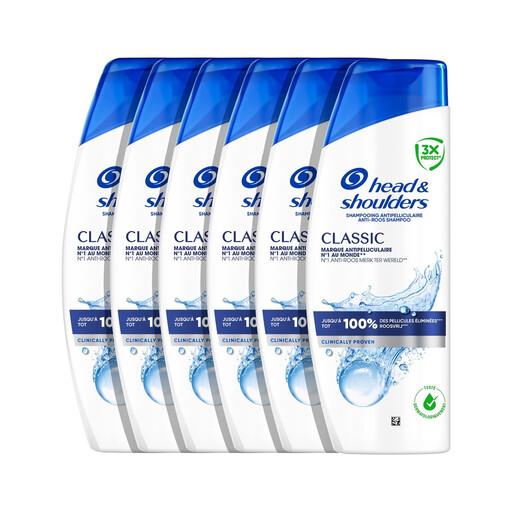
Why it suits this profile: The total volume of 1,500 ml is practical for households that regularly use the same shampoo.
The variant and volume are clearly stated, so you won’t mistake a multipack for a random mix of formulas.
Six 250 ml bottles, piroctone olamine in the ingredients list and suitable for all hair types according to the product information.
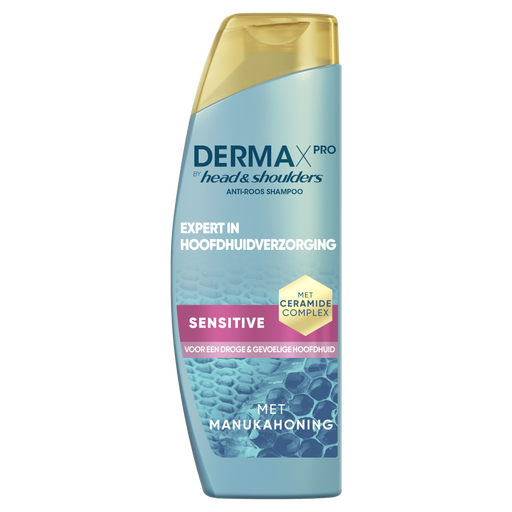
Why it suits this profile: This compact variant is designed for dry and sensitive scalps, and is a good size to try first.
The product description specifically mentions sensitive scalps, so you don’t have to rely solely on the general anti-dandruff claim.
Contains piroctone olamine, glycerine, a ceramide complex and manuka honey extract, according to the listed ingredients and product description.
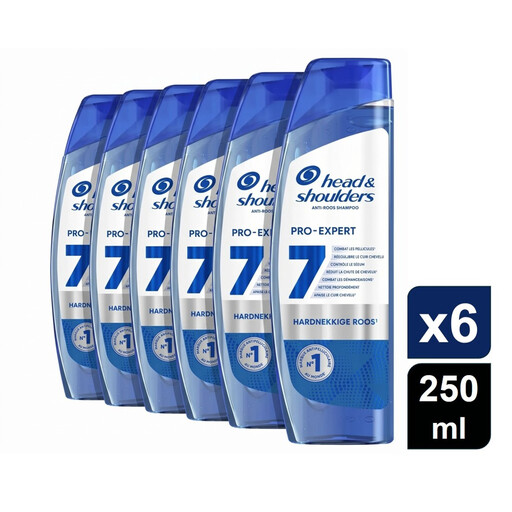
Why it suits this profile: The 6-pack suits users who want to use a shampoo for stubborn dandruff consistently.
This variant is specifically aimed at stubborn dandruff and lists tea tree oil and piroctone olamine among its ingredients.
Six 250 ml bottles and a formula tested, according to Head & Shoulders’ own research, with regular use.
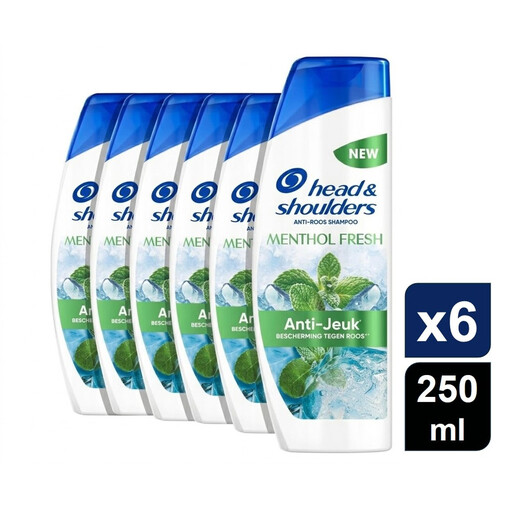
Why it suits this profile: Menthol gives your scalp a cooling sensation as you wash, and the multipack is suitable for regular use.
The menthol variant is clearly distinguished from a shampoo for dry or sensitive scalps, helping you choose based on the experience you want.
Contains menthol and piroctone olamine according to the ingredients list; six 250 ml bottles for household use.
We’ve put together a complete, up-to-date list of products that meet these strict selection criteria and current European safety regulations.
Always follow the instructions on the packaging. Some variants are suitable for daily use according to the product description, while you may prefer to introduce them gradually if you have a sensitive scalp. Gently massage the shampoo into your scalp and rinse thoroughly. Avoid contact with your eyes.
Check the shelf-life information on the bottle. Some products state an unopened shelf life of more than 30 months and a period of 12 months after opening. Follow the information on your product’s packaging. Store the bottle in a cool, dry place and close it after use.
Look for a shampoo for sensitive scalps or a shampoo for dry scalps with conditioning ingredients such as ceramides, glycerine or aloe vera. Avoid buying a large supply before you know how your scalp will react. If you have persistent, severe itching, redness or flaking, it’s a good idea to consult a doctor or pharmacist.
