
Vandaag of morgen in huis

Kwaliteit gegarandeerd

Welkomstaanbiedingen ontgrendelen: GRATIS bezorging | Tot 80% korting | Gratis 30 dagen JoyPlus-proefperiode
Download de app
Dandruff, itching, a dry scalp or hair that gets greasy quickly: choosing the right anti-dandruff shampoo may seem simple, but the range of products varies widely. A fresh scent or eye-catching packaging tells you little about whether a shampoo is right for your scalp. You should also consider claims such as “mild”, “moisturising” and “for daily use” alongside the ingredients and instructions for use.
In this guide, you’ll find out what to look for, which marketing pitfalls to avoid and which options from Head & Shoulders and other brands suit different needs.
Menthol can give a cooling sensation, but that doesn’t automatically mean your scalp will feel less dry or sensitive. A shampoo with menthol may feel pleasant on a greasy scalp, while someone with a sensitive scalp may prefer a formula with less fragrance or fewer cooling ingredients.
Claims such as “up to 100% dandruff-free” are subject to conditions in the product information provided, such as regular use. Whether based on the brand’s own research or the product listing, this doesn’t mean every user will get the same results. So check the active ingredients, who the product is intended for and any warnings on the packaging too.
A 250 ml anti-dandruff shampoo is handy for trying a product first. A multipack, such as 6 bottles of 250 ml, may be more practical if several people use the same shampoo. Just check first that it’s suitable for everyone’s scalp type. A large pack of an unsuitable formula won’t save you money in the long run.
Many options contain piroctone olamine, an ingredient associated with tackling dandruff in the product information. The exact formula varies by product. For example, Head & Shoulders Classic contains piroctone olamine, while some DermaXPro formulas also list a ceramide complex, aloe vera or caffeine.
Check the full ingredients list if you’re sensitive to fragrance, menthol, colourants or certain preservatives. “Dermatologically tested” doesn’t automatically mean “hypoallergenic”. In fact, the product specifications for several options state that they are not hypoallergenic.
A 250 ml bottle is a good size for testing a formula. For regular use, 625 ml or 800 ml may be more convenient. When comparing a deal, check the price per 100 ml and make sure the larger pack contains the same variant. A 95 ml travel size is best suited to trips or to trying a shampoo for a short time.
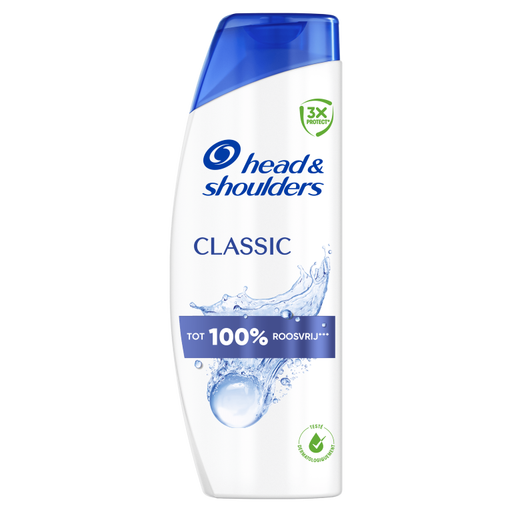
Why it suits this need: A handy 250 ml bottle for anyone trying anti-dandruff shampoo for the first time and not looking to buy a large pack straight away.
The packaging and ingredients list make it clear what you’re buying: piroctone olamine is listed as part of the formula, and the warning for use is clearly visible.
250 ml, suitable for all hair types according to the product information, and designed for regular use.
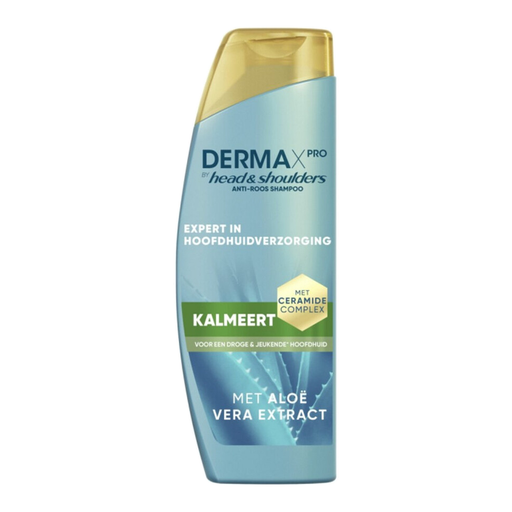
Why it suits this need: Designed for anyone looking to care for a dry, itchy or sensitive scalp with a gentler approach.
It’s positioned as more than just “fresh”: the product information lists aloe vera, a ceramide complex and piroctone olamine as ingredients in the formula.
Aloe vera, ceramide complex, 250 ml and dermatologically tested according to the product specifications.
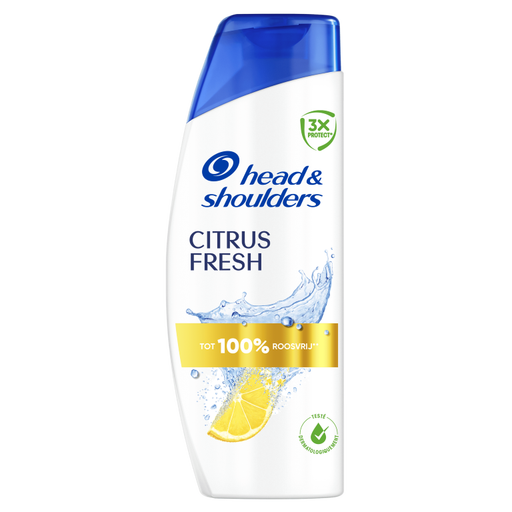
Why it suits this need: A natural choice if your main concerns are a greasy scalp and greasy hair.
This variant is specifically described as suitable for a greasy scalp, and its ingredients list includes menthol and citrus extracts.
250 ml, with piroctone olamine in the formula and positioned for greasy hair and excess sebum.
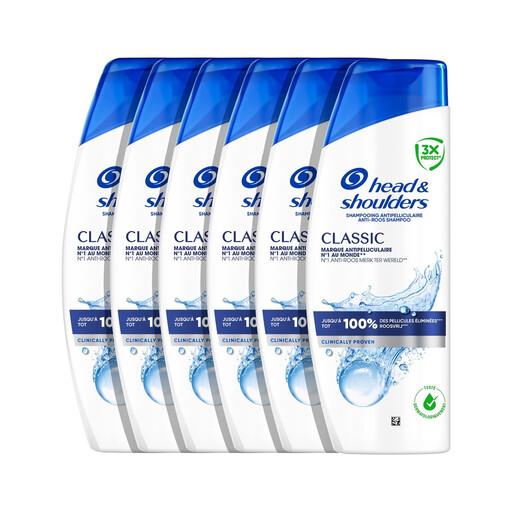
Why it suits this need: Ideal for households or anyone who regularly uses a familiar formula and wants to order replacement bottles less often.
The pack size is clearly specified: six 250 ml bottles, totalling 1500 ml. This makes it easy to compare the price per 100 ml.
1500 ml in total, six separate bottles and a formula for all hair types according to the product information.
We’ve put together a complete, up-to-date list of products that meet these strict selection criteria and comply with current European safety regulations.
Always follow the instructions on the packaging. Some products are suitable for daily use according to the manufacturer, while other formulas recommend using the shampoo a few times a week. Gently massage it into your scalp, then rinse thoroughly.
Check the use-by date or the period-after-opening information on the packaging. Some products, for example, state that they should be used within 12 months of opening. Store the bottle in a cool, dry place and replace the cap after use.
Not necessarily. Aloe vera can be part of a conditioning formula, but the overall ingredients are what matter. Check for fragrance, menthol and preservatives too. If you develop redness, a burning sensation or increased itching, stop using the shampoo and ask a doctor or pharmacist for advice if symptoms persist.
