
Vandaag of morgen in huis

Kwaliteit gegarandeerd

Welkomstaanbiedingen ontgrendelen: GRATIS bezorging | Tot 80% korting | Gratis 30 dagen JoyPlus-proefperiode
Download de app
Dandruff, itching or a scalp that gets greasy quickly don’t always call for the same care. If you choose based only on a familiar brand name, a large bottle or a bold claim, you could easily end up with a shampoo that isn’t right for your scalp.
In this guide from the Joybuy Product Recommendation Officer, you’ll find out what to look for in an anti-dandruff shampoo. We compare formulas for everyday use, dry or sensitive scalps, and oily scalps. That way, you can avoid paying for ingredients or features you don’t need.
Terms such as “up to 100% dandruff-free” sound clear-cut, but always check the small print. For several Head & Shoulders products, the product information says this claim applies with regular use and refers to visible dandruff. That’s not the same as a permanent solution for every scalp.
Check the source, too. A claim such as “clinically proven” comes from the brand or product description. Don’t treat it as a personal guarantee. If your symptoms persist or are severe, it’s a good idea to ask a GP or pharmacist for advice.
A multipack of anti-dandruff shampoo can be handy for everyday use, but only if the variant suits you. A formula containing menthol may feel fresh or cooling, while fragrance, essential oils or certain cleansers may not feel as comfortable on a sensitive scalp.
So check the ingredients list, especially if you’ve had irritation before. A large bottle that you don’t like using won’t save you money in the long run.
An oily scalp may benefit from a cleansing formula, while a dry or tight-feeling scalp may need a moisturising anti-dandruff shampoo instead. Look out for additional ingredients such as ceramides, glycerine, aloe vera or coconut oil. These ingredients indicate the type of care the formula offers, but don’t guarantee a particular result.
Piroctone olamine is listed as an active ingredient in several selected shampoos. According to the brands’ product information, it is used in anti-dandruff formulas. Check whether the shampoo is also intended for:
An anti-dandruff shampoo isn’t automatically a shampoo for hair loss, eczema or other skin conditions. You can’t draw medical conclusions from a cosmetic product.
Many anti-dandruff shampoos contain cleansing ingredients such as sodium laureth sulfate and cocamidopropyl betaine. These help create a lather and cleanse the hair, but some people may find them less comfortable to use. Fragrance, menthol and essential oils are also worth checking.
If you’re looking for an anti-dandruff shampoo for a sensitive scalp, compare the ingredients list with a variant you’ve tolerated well before. An anti-dandruff shampoo with aloe vera or ceramides may be worth considering if dryness and tightness are an issue as well as dandruff.
A 250 ml bottle is handy for trying a shampoo first. An 800 ml bottle or a set of six is a better fit for households that use it regularly. Compare the price per 100 ml, not just the total price.
An anti-dandruff shampoo for everyday use should be labelled as suitable for that frequency. Always follow the instructions and rinse thoroughly. Avoid contact with your eyes; if it gets in your eyes, rinse with water.
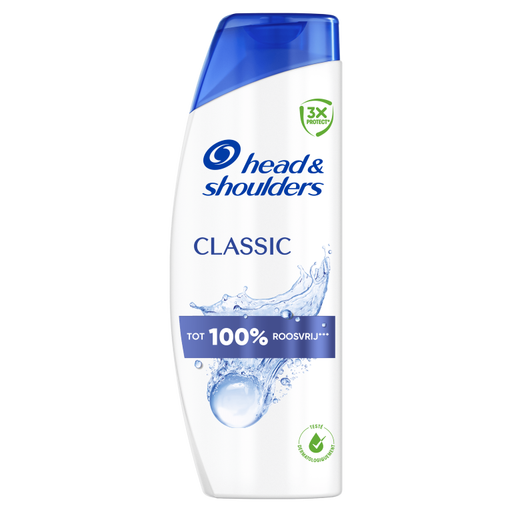
Why it suits this profile: A handy 250 ml bottle for anyone trying an anti-dandruff shampoo for the first time and looking for a variant for everyday use.
The product information clearly lists piroctone olamine, the 250 ml size and its suitability for everyday use. Still, check that the fragrance and cleansers suit you.
Piroctone olamine is listed in the ingredients; according to the product description, it is intended for dandruff, dandruff-related itching and excess sebum.
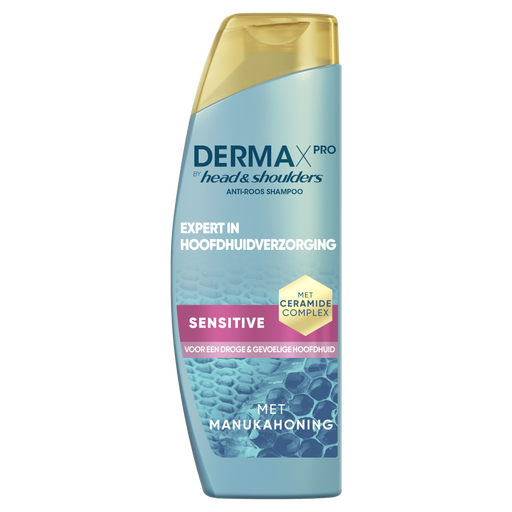
Why it suits this profile: Designed for anyone looking for an anti-dandruff shampoo for a sensitive scalp, with a ceramide complex and manuka honey.
The product description clearly states who it is for and lists its additional ingredients. The formula is not hypoallergenic, so check the full ingredients list before use.
A ceramide complex, manuka honey and piroctone olamine are listed; the product is dermatologically tested, according to the product specifications.
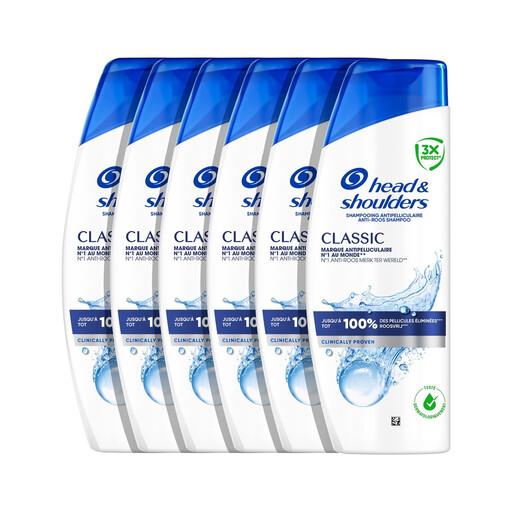
Why it suits this profile: A practical multipack of anti-dandruff shampoo for households with several users or an established daily hair-care routine.
The total volume is 1500 ml, split across six 250 ml bottles. That means you won’t have to store a large open bottle for a long time.
Six individual bottles; according to the product information, suitable for all hair types and intended for everyday use.
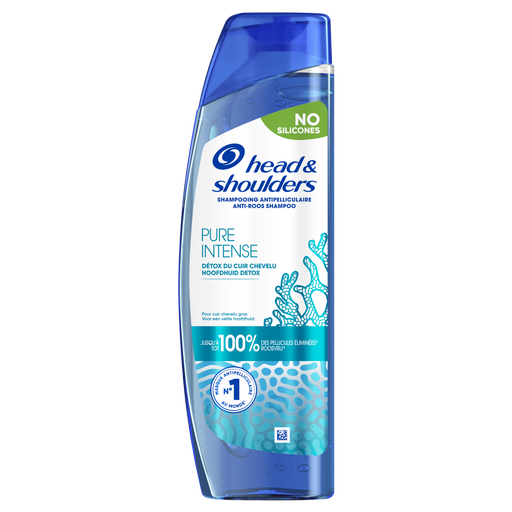
Why it suits this profile: For anyone looking for a shampoo for an oily scalp and wanting to try a transparent formula with sea minerals and a cleansing focus.
The product information says the formula is silicone-free and pH-balanced. This makes it easier to assess than relying on the word “detox” alone.
Sea minerals and piroctone olamine are listed; according to the description, this variant is intended for oily scalps and greasy hair.
We’ve put together a complete, up-to-date list of products that meet these strict selection criteria and the current European safety regulations.
Apply shampoo to wet hair and gently massage it into your scalp, focusing on the roots. Leave it on only for as long as the packaging says, then rinse thoroughly. If your hair feels dry, apply conditioner mainly to the lengths and ends; conditioner is not a substitute for anti-dandruff shampoo.
Stop using the product if irritation occurs and check the ingredients again. If flaking, redness or itching persists, gets worse or doesn’t seem like ordinary dandruff, seek professional advice.
It depends on the product instructions and your scalp. According to the product description, some variants are suitable for everyday use, while others are intended for two or three washes a week. Follow the label rather than automatically washing more often.
Look for a moisturising anti-dandruff shampoo with ingredients such as ceramides, glycerine, aloe vera or coconut oil. These features point to extra care, but don’t guarantee a particular result. Avoid any formula that causes tightness or irritation.
It can be, especially if you use the product regularly. Compare the price per 100 ml and check how long it lasts after opening. A set of six bottles is practical if you already know the variant; for a first purchase, a 250 ml bottle is usually a more cautious choice.
