
Vandaag of morgen in huis

Kwaliteit gegarandeerd

Welkomstaanbiedingen ontgrendelen: GRATIS bezorging | Tot 80% korting | Gratis 30 dagen JoyPlus-proefperiode
Download de app
Dandruff, itching and quickly greasy hair can mean you end up washing your hair more often than you’d like. Yet the most expensive or eye-catching bottle isn’t automatically the right choice. With an anti-dandruff shampoo, it’s really all about the combination of active ingredients, your scalp type and how often you use it.
Also pay attention to marketing claims. “Up to 100% dandruff-free” on several Head & Shoulders products, for example, means no visible dandruff with regular use and under the brand’s own conditions. So it’s not a guarantee for every individual. A good comparison starts with the product information and the ingredients list.
Menthol can give a fresh or cooling feeling. That alone doesn’t mean dandruff or excess sebum is being tackled. So check whether a specific anti-dandruff ingredient is listed in the formula, such as piroctone olamine. The effectiveness and suitability can vary from person to person.
Dandruff develops on the scalp, while dry or damaged hair is mainly in the lengths. A shampoo for an oily scalp can cleanse effectively, but may be less suitable if your hair feels dry. Conversely, a nourishing shampoo may not cleanse enough when there’s a lot of sebum or styling product build-up.
According to Head & Shoulders’ own research, certain formulas are clinically proven or dermatologically tested. These are the brand’s claims, not a personal guarantee. Also look at the practical details: volume, recommended use, fragrance, menthol, sulphates and any ingredients you may be sensitive to.
A shampoo might be described as “detox”, “fresh” or “daily care”, but always check the ingredients. Several products in this selection list piroctone olamine. This ingredient is used in formulas that, according to the product description, target visible dandruff.
A shampoo for an itchy scalp may also contain menthol, aloe vera or other soothing ingredients. Menthol mainly provides a fresh sensation; aloe vera is listed on the label as Aloe Barbadensis Leaf Juice. Check the full list if you have a sensitive scalp.
A 250 ml bottle is handy to try first. Multipacks of 6 x 250 ml are more worthwhile when you already know the formula suits you. A daily anti-dandruff shampoo should also fit your washing routine. Don’t automatically wash more often just because the packaging recommends it; follow the label and stop if irritation occurs.
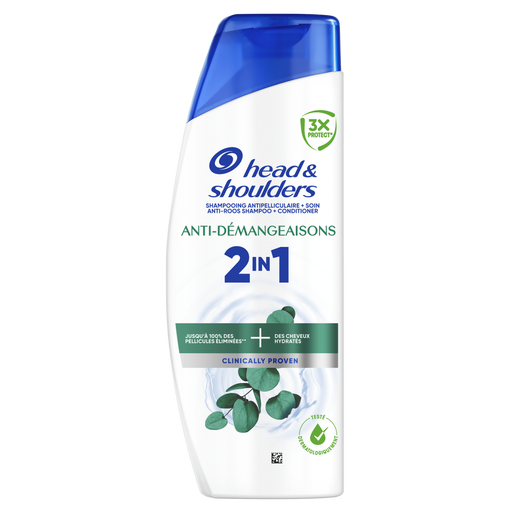
Why this suits the profile: The combination of shampoo and conditioner is practical for anyone wanting a single product for dandruff, itching related to dandruff and an oily scalp.
The ingredients list includes piroctone olamine. So you don’t have to rely solely on the cooling menthol sensation or the packaging.
2-in-1 formula, 250 ml volume and menthol plus eucalyptus in the ingredients list.
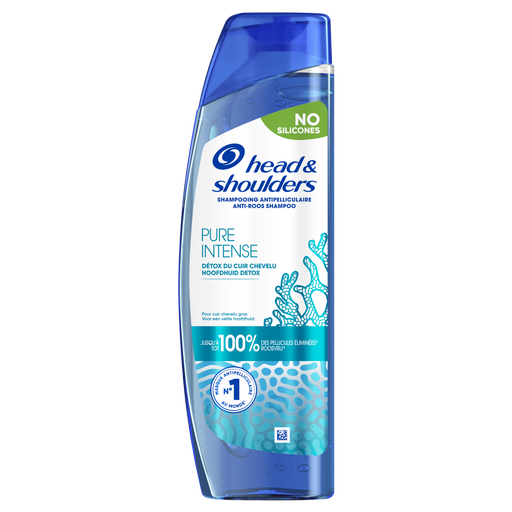
Why this suits the profile: This choice suits anyone who uses a lot of styling products or has an oily scalp and a heavy feeling at the roots.
The product description specifically targets grease and build-up. That makes the choice clearer than a general shampoo with just a fresh-sounding name.
Contains piroctone olamine, sea minerals and no silicones according to the product information; volume is 250 ml.
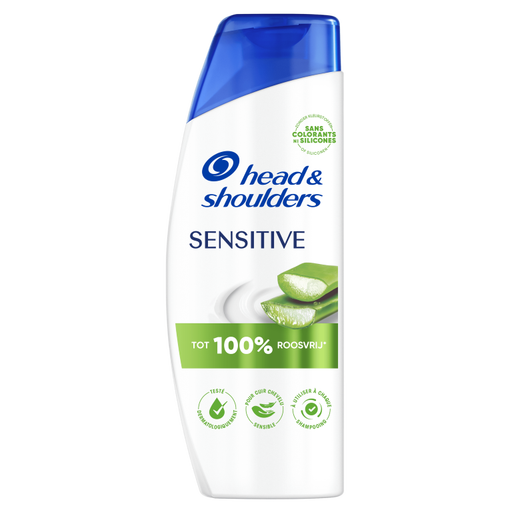
Why this suits the profile: According to the product description, the formula is designed for a sensitive scalp and contains aloe vera as an additional soothing ingredient.
The choice isn’t based solely on “mild” on the packaging: the ingredients list includes both piroctone olamine and aloe vera. Check fragrance and perfumes if you have personal sensitivities.
Contains aloe vera, glycerine and piroctone olamine; the bottle contains 250 ml.
We’ve put together a full, up-to-date list of products that fully meet these strict selection criteria and comply with current European safety regulations.
Wet your hair and scalp thoroughly and massage the shampoo in gently. Give the formula time to spread over your scalp and rinse thoroughly. Avoid contact with the eyes. For a leave-in product, such as a serum with caffeine and ceramide complex, follow the instructions on the label and apply the product only where indicated.
If you experience a burning sensation, swelling or persistent irritation, stop using it. For severe or recurring scalp issues, it’s wise to consult a GP or pharmacist. An anti-hair loss shampoo does not replace a medical assessment of hair loss.
That depends on the formula and the instructions on the packaging. Some products are described by the manufacturer as suitable for daily use. When starting a new shampoo, follow the label and pay attention to how your scalp reacts.
It can, but choose a formula that contains nourishing ingredients alongside an anti-dandruff ingredient. A shampoo with aloe vera, glycerine or ceramides may be a better fit for a dry-feeling scalp than a strong degreasing detox shampoo.
A shampoo with caffeine can be part of a hair care routine for thinning hair. According to the relevant brands’ own research, caffeine can support hair retention or the hair fibre. That is not a guarantee against hair loss and is not a substitute for professional advice in cases of sudden or severe hair loss.
