
Vandaag of morgen in huis

Kwaliteit gegarandeerd

Welkomstaanbiedingen ontgrendelen: GRATIS bezorging | Tot 80% korting | Gratis 30 dagen JoyPlus-proefperiode
Download de app
Dandruff, an itchy scalp or hair that gets greasy quickly doesn’t always call for the same care. Yet many people pick an anti-dandruff shampoo based on a flashy bottle or a promise like “up to 100% dandruff-free”. That can lead to a product that doesn’t suit your scalp, meaning you end up switching unnecessarily or leaving a large bottle unused.
This guide will help you choose an anti-dandruff shampoo based on verifiable features, such as the ingredients, recommended frequency of use, and your scalp type.
An 800 or 1000 ml bottle can be appealing for daily use or a household with multiple users. However, if you have a sensitive scalp or want to test how you react first, a 250 ml bottle is more practical. Also pay attention to the shelf life after opening. Some products state a 12-month period after opening.
Brands use terms like “clinically proven”, “up to 100%” and “from the first wash”. According to the brand’s own research, such claims usually apply under specific conditions and with regular use. So they are no guarantee that every skin or hair type will get the same result.
That’s why you should also look at the small print, the instructions for use and the active ingredients listed. An anti-dandruff shampoo also needs to fit your personal care routine.
Menthol can give a cooling sensation, but that doesn’t automatically mean a product is suitable for a sensitive scalp. Fragrances and certain cleansing ingredients can feel less pleasant for some users. Stop using it if irritation occurs and rinse thoroughly if it comes into contact with your eyes.
Among the products on offer, piroctone olamine is included. This ingredient is linked in the product information to the care of a scalp with dandruff. Other ingredients mentioned include menthol, zinc pyrithione, aloe vera, rosemary extract and ceramides.
The presence of an ingredient is not in itself a guarantee of a particular result. Use the shampoo according to the label and pay attention to how your scalp reacts.
An anti-dandruff shampoo for daily use is handy if you wash your hair often. Other variants recommend using it two to three times a week. Always follow the instructions on the packaging, even if the brand description emphasises a different usage.
The size also determines how practical the purchase is:
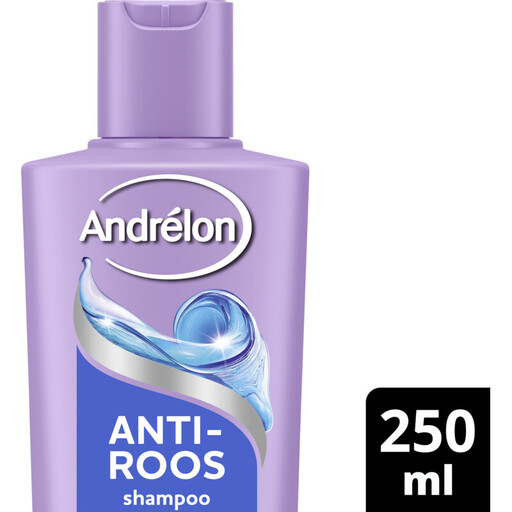
Why this fits the profile: The 250 ml bottle is a sensible size for anyone trying an anti-itch shampoo for the first time. According to the product description, the formula contains menthol and vitamin B3.
You don’t buy a large stock before you know whether the scent, cleansing and formula feel right.
250 ml bottle; menthol and vitamin B3 according to the ingredients list; designed for dandruff and a sensitive scalp according to the product information.
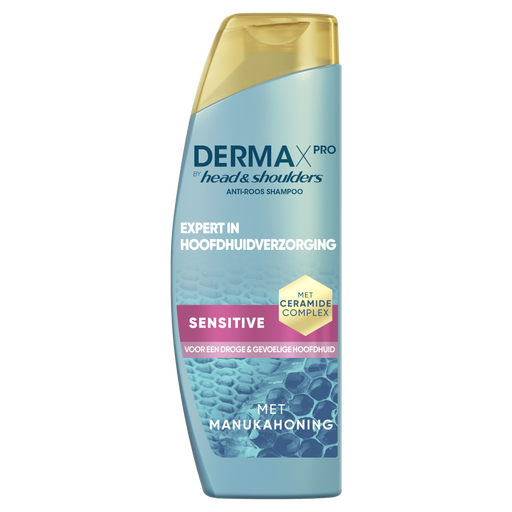
Why this fits the profile: According to the product description, this variant is developed for a dry, sensitive scalp and contains a ceramide complex, piroctone olamine and manuka honey extract.
Its positioning for a dry, sensitive scalp prevents you from choosing based solely on strong cleansing or a fresh scent.
250 ml; piroctone olamine and ceramide complex listed; dermatologically tested according to the product data.
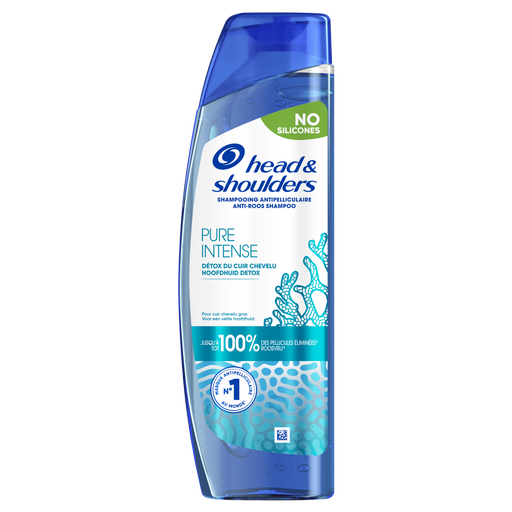
Why this fits the profile: According to the product information, this variant is aimed at an oily scalp and greasy hair. The formula contains sea minerals and piroctone olamine.
You choose a formula based on excess sebum and deep cleansing, not just on a general anti-dandruff claim.
250 ml; pH-balanced formula according to the description; designed for greasy hair and an oily scalp.
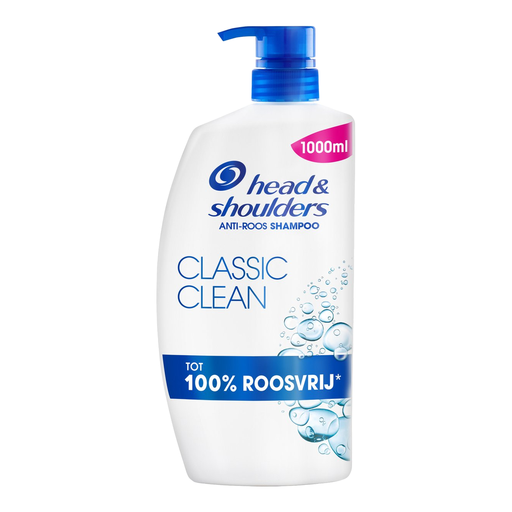
Why this fits the profile: The 1000 ml pump bottle is practical when several adults use the same classic anti-dandruff shampoo or when you wash your hair daily.
The pump helps with portion control, while the large size suits regular use. Choose this format especially if you already know the Classic variant.
1000 ml bottle; pump packaging; suitable for all hair and scalp types according to the product data.
We’ve put together a full, up-to-date list of products that fully meet these strict selection criteria and comply with current European safety regulations.
First, wet your hair thoroughly and massage the shampoo mainly onto the scalp, not just into the lengths. Rinse carefully. Some products advise leaving the shampoo on for a few minutes; follow the packaging instructions for this. Don’t automatically use more product when you see more flakes. A larger amount doesn’t automatically make it work better and can make your hair unnecessarily heavy.
Store the bottle in a cool, dry place, close the lid properly and check the expiry information on the packaging. If irritation, a burning sensation or an allergic reaction occurs, stop using it. Persistent, severe or unexplained scalp issues are best discussed with a GP.
That depends on the formula and the label. Various Head & Shoulders variants are described as suitable for daily use according to the product description. Other products, such as certain Dancoly variants, advise using them two to three times a week. Always follow the manufacturer’s instructions.
Look for a mild anti-dandruff shampoo with nourishing ingredients. The Head & Shoulders DermaXPro variants are, according to their product information, aimed at a dry, sensitive or itchy scalp and contain, among other things, aloe vera or a ceramide complex. Check the ingredients list if you are sensitive to fragrance, menthol or cleansing agents.
That depends on the size, washing frequency and amount used per wash. A 250 ml bottle is suitable for starting out; a 1000 ml pump bottle lasts longer with daily use or is practical for multiple users. Also look at the period after opening, which may be stated on the packaging as, for example, 12 months.
