
Vandaag of morgen in huis

Kwaliteit gegarandeerd

Welkomstaanbiedingen ontgrendelen: GRATIS bezorging | Tot 80% korting | Gratis 30 dagen JoyPlus-proefperiode
Download de app
Dandruff, flakes and an itchy scalp can be reason enough to buy a new shampoo in a hurry. Yet the first bottle with a flashy label isn’t always the right choice. Your choice of anti-dandruff shampoo needs to take account of your scalp, how often you wash your hair and the amount you want. If you only focus on a promise like “instant results”, you risk buying a product that cleanses too harshly, runs out quickly, or isn’t suitable for regular use.
Brands use terms like “clinically proven”, “up to 100% protection” or “from the first wash”. Such claims depend on the conditions – for example, regular use or a specific test set-up. According to the brand’s own research, these results may apply to the formula tested, but they don’t automatically predict the same experience for every user.
So be sure to check:
Menthol often gives a fresh or cooling feeling. That can be pleasant for an itchy scalp, but the sensation itself says nothing about how well it works against flakes. What’s more, an anti-dandruff shampoo with menthol may feel less suitable if your scalp is sensitive to fragrance or cooling ingredients.
A 250 ml bottle may seem cheaper than an 800 ml or 1,000 ml pack, but the price per 100 ml gives a fairer picture. A large pack is especially practical when several people use the same shampoo, or when you wash your hair often. Just remember to check the expiry date and storage instructions on the packaging.
Piroctone olamine appears in several anti-dandruff shampoos in the range. The product description mentions this ingredient in brands like Andrelon and Head & Shoulders, for example. Also look at the rest of the formula. A shampoo with fragrance, menthol or essential oils can feel different from a fragrance-free formula.
With a shampoo for flakes, it’s wise to compare the ingredients list rather than just the front of the packaging. For a shampoo for excess sebum, ingredients such as zinc PCA, salicylic acid or a formula with green tea may be listed. However, the presence of an ingredient is no guarantee of a specific personal result.
An anti-dandruff shampoo for daily use should, according to the product information, be suitable for frequent washing. Other products recommend two to three times a week. Always follow the label and only leave the shampoo on for as long as instructed. Avoid contact with the eyes and stop if irritation occurs.
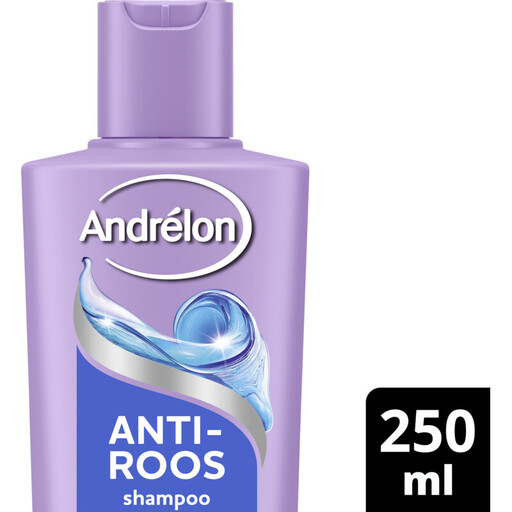
Why this suits the profile: A straightforward 250 ml bottle for anyone trying an anti-dandruff shampoo for the first time who doesn’t want to buy a large supply.
The product information lists menthol, vitamin B3 and piroctone olamine. This means you can check the formula rather than relying on a general claim.
250 ml, dermatologically tested according to the product data, and labelled as paraben-free.
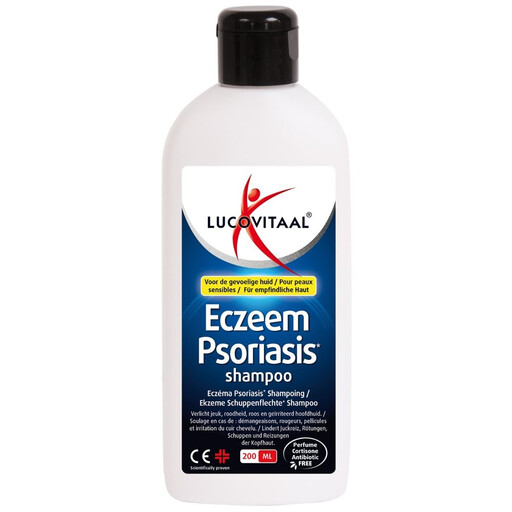
Why this suits the profile: For adults with a doctor-diagnosed form of eczema or psoriasis on the scalp, who can follow the usage instructions.
The product information explicitly states that use is only intended for a doctor-diagnosed condition. This prevents ordinary dandruff and a medical indication from being confused.
200 ml, fragrance-free and soap-free according to the product data; intended for use two to three times a week.
Wet your hair thoroughly and gently massage the shampoo into your scalp. Rinse thoroughly. Some formulas recommend a few minutes of leave-in time; follow the instructions on the packaging for this. Don’t automatically use more product just because you see a lot of flakes. A larger amount won’t speed up the effect and will only increase how much you use.
With an anti-dandruff shampoo offer, it’s helpful to calculate the price per 100 ml. A value pack of, say, six 250 ml bottles can be good value for money with regular use, but it’s less sensible if you want to try the formula first.
Persistent redness, a burning sensation, sores or intense itching call for extra caution. Stop if irritation occurs and seek advice from a doctor or pharmacist, especially if you have eczema, psoriasis or another diagnosed scalp condition.
We’ve put together a full, up-to-date list of products that fully meet these strict selection criteria and comply with current European safety regulations.
That varies by formula. Some shampoos are suitable for daily use according to the product information, while others recommend two to three times a week. Always check the label and adjust the frequency if your scalp becomes irritated.
It can, but check carefully for fragrance, menthol and other ingredients you may be sensitive to. A product that is labelled as suitable for a sensitive scalp isn’t automatically suitable for everyone. If in doubt, test it cautiously first and stop if you have a reaction.
That depends on the volume, hair length, how often you wash, and how much you use per wash. So don’t just compare 250 ml with 1,000 ml – also look at the recommended frequency of use and the price per 100 ml.
