
Vandaag of morgen in huis

Kwaliteit gegarandeerd

Welkomstaanbiedingen ontgrendelen: GRATIS bezorging | Tot 80% korting | Gratis 30 dagen JoyPlus-proefperiode
Download de app
Dandruff, flakes and an itchy scalp can be frustrating, especially if your hair becomes greasy quickly or you often wear dark clothing. Yet choosing an anti-dandruff shampoo is less straightforward than eye-catching packaging might suggest. Different variants are designed for oily scalps, dry flakes, sensitive skin or daily use.
As a Joybuy Product Recommendation Officer, I filter the most important product information, so you can compare marketing claims with verifiable details such as ingredients, volume, usage instructions and packaging.
An anti-dandruff shampoo multipack may look appealing, but always check the price per 100 ml. A 1,000 ml bottle can offer good value if you use the product regularly, while a smaller bottle is more convenient if you want to see how your scalp responds first.
Also consider the dispensing system. A pump bottle can be practical in the shower, but a standard bottle takes up less space and is often more suitable for travelling.
Some brands describe a variant as a clinically tested anti-dandruff shampoo. This is a brand claim, not a guarantee of your personal results. According to Head & Shoulders’ own research, certain formulas have been clinically tested on visible dandruff with regular use. Always check the full claim, recommended frequency of use and intended audience.
A shampoo for flakes may also contain ingredients that do not feel comfortable on every scalp. Fragrance, menthol or essential oils may affect the user experience, for example.
Menthol shampoo often gives a fresh or cooling sensation. This can feel pleasant when you have an itchy scalp, but the sensation itself says nothing about how effective the product is against dandruff. Check the ingredients list and usage instructions rather than focusing only on terms such as “fresh”, “detox” or “intense”.
Check whether the ingredients list contains a substance that, according to the product information, is intended to help tackle dandruff. The variants mentioned include piroctone olamine, among other ingredients. Effectiveness and suitability should be assessed according to the information on the packaging and the manufacturer’s instructions.
For a product containing additional caring ingredients, such as aloe vera, ceramides, green tea or vitamin B3, these are additional product features. According to the respective brands’ own research, these ingredients may contribute to a particular caring effect or user experience. Do not regard this as a medical promise.
Choose a shampoo that suits your everyday needs:
If symptoms persist or are severe or painful, it is advisable to consult a GP or pharmacist. Shampoo is a personal care product and is not a substitute for professional advice.
Before buying, read how often the manufacturer recommends using the product. For example, Dancoly advises using its product two to three times a week, while some Head & Shoulders variants are described as suitable for daily use.
Also check the volume per bottle, the number of items and the shelf life after opening. With a six-bottle multipack, it is useful to check whether you will use the product within the recommended period.
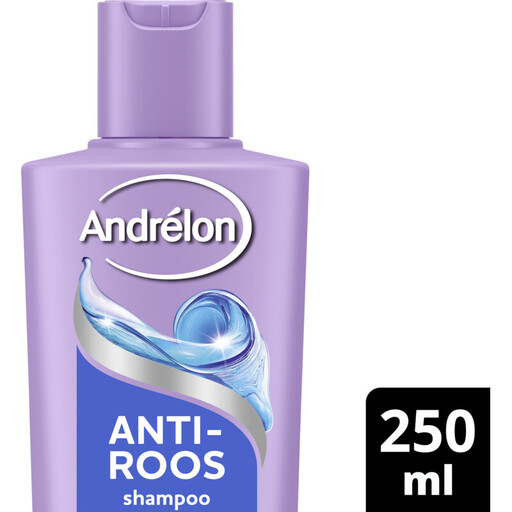
Why it suits this profile: A manageable 250 ml bottle for trying an anti-dandruff shampoo without immediately buying a large pack. The product description mentions menthol and vitamin B3.
The compact size helps limit waste if the fragrance, menthol or texture does not suit you. The packaging provides full usage and safety information.
250 ml volume; piroctone olamine in the ingredients list; according to the product information, dermatologically tested and paraben-free.
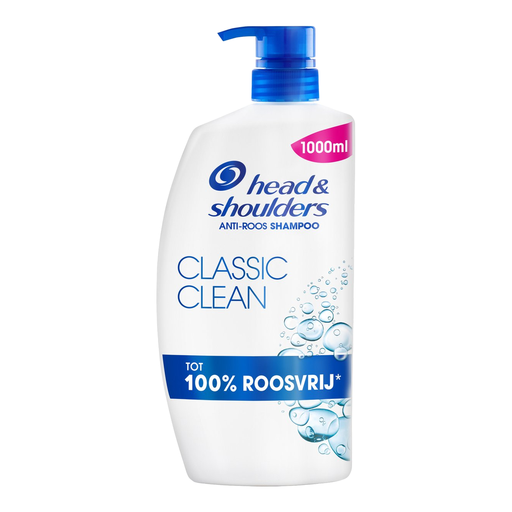
Why it suits this profile: The 1,000 ml pump bottle is suitable for households where several people regularly use anti-dandruff shampoo.
The volume and dispenser are clearly specified, so you can decide in advance whether the larger pack suits your level of consumption.
1,000 ml volume; practical pump bottle; according to Head & Shoulders’ own research, clinically tested with regular use.
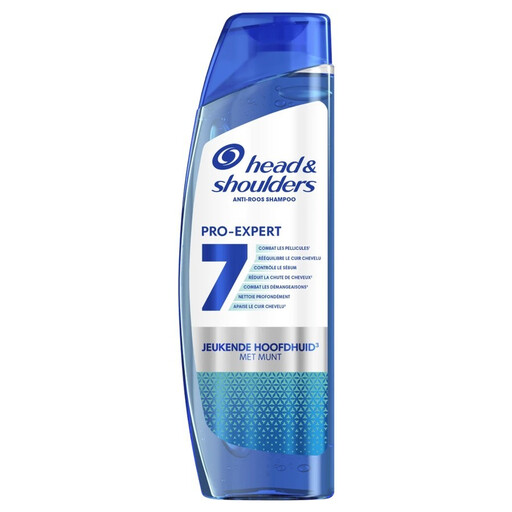
Why it suits this profile: Designed for users who are particularly concerned about dandruff and an itchy scalp. According to the product information, the formula contains piroctone olamine, menthol and mint oil.
This product variant is specifically associated with an itchy scalp rather than relying solely on a general freshness claim. However, menthol may feel irritating to some people.
250 ml volume; described as suitable for daily use; contains menthol and mint oil for a cooling user experience.
We have put together a complete, up-to-date list of products that fully meet these strict selection criteria and the applicable European safety regulations.
Thoroughly wet your hair and gently massage the shampoo into your scalp. Do not automatically use a large amount: a small dose is often enough, depending on the length and thickness of your hair. Rinse thoroughly and avoid contact with your eyes.
Always follow the label. Only leave a product on for a few minutes if this is explicitly stated. Stop using it if irritation occurs and, if necessary, choose a different formula without menthol or with a different fragrance.
This varies by product. Some brands recommend daily use, while other variants specify two to three times a week. Follow the instructions on the packaging and adjust the frequency if your scalp feels tight or irritated.
Check the shelf-life information on the packaging and the period after opening. A 250 ml bottle is usually practical if you want to try the product first, while a multipack only makes sense if you use the shampoo regularly.
Look for variants explicitly described as suitable for a sensitive or dry scalp. Also check the ingredients list for fragrance, menthol and essential oils. A “mild” claim comes from the brand; your own experience when using the product remains the deciding factor.
