
Vandaag of morgen in huis

Kwaliteit gegarandeerd

Welkomstaanbiedingen ontgrendelen: GRATIS bezorging | Tot 80% korting | Gratis 30 dagen JoyPlus-proefperiode
Download de app
Dandruff, flakes and an itchy scalp can quickly return when you focus only on fragrance, packaging or a large discount sticker. An anti-dandruff shampoo should suit your scalp, washing routine and ingredient preferences. However, there are several common marketing pitfalls that can lead you to buy a product that sits unused after just a few washes.
Brands regularly use terms such as “up to 100% dandruff-free” or “clinically proven”. Such claims depend on the test set-up, frequency of use and definition of visible dandruff. According to the brand’s own research, a product may deliver a certain result under specific conditions. That does not mean the same result is guaranteed for every user.
So always check the small print, such as “with regular use”, and pay particular attention to the ingredients list, volume and directions for use.
A shampoo for an oily scalp often has strong cleansing properties. This can be useful if your hair becomes greasy quickly, but less suitable if your scalp feels dry or sensitive. Conversely, a moisturising shampoo for a dry scalp may not provide enough freshness if you have a lot of sebum.
An anti-dandruff shampoo containing menthol, fragrance or essential oils may also not feel comfortable for everyone. Check the ingredients if you have previously experienced irritation or have known allergies.
A 250 ml bottle may appear cheaper than a 800 or 1,000 ml pack, but the price per 100 ml can be higher. A larger size is particularly practical when you use the shampoo regularly and the formula suits you well. Don’t buy a large size straight away if you still need to find out whether your scalp tolerates the product.
Several anti-dandruff shampoos in the range list piroctone olamine. This ingredient is used in cosmetic shampoos in formulas designed to target dandruff. Its presence alone does not indicate how your scalp will react. Also check the cleansing agents, fragrance, menthol, conditioning ingredients and any extracts.
Examples from the product information:
One shampoo may be marketed as an anti-dandruff shampoo for daily use, while another recommends washing two to three times a week. Follow the instructions on the packaging and adjust the frequency to suit your own hair and scalp type.
Apply shampoo mainly to the wet scalp, massage gently and rinse thoroughly. Scratching hard or scrubbing vigorously can put unnecessary strain on the scalp. Avoid contact with the eyes. Stop using the product if irritation or an allergic reaction occurs, and seek advice from a doctor or pharmacist if symptoms persist. A cosmetic product is not a substitute for medical treatment.
Compare the volume alongside the price:
A pump bottle can make dispensing easier. However, pay attention to the closure, period after opening and storage advice on the packaging.
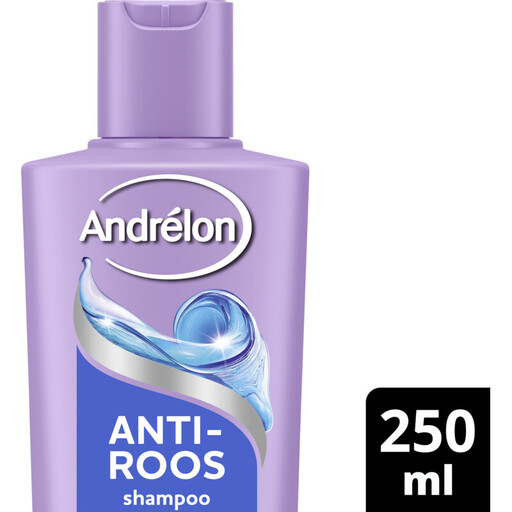
Why it suits this profile: The 250 ml size makes it easier to try an anti-dandruff shampoo without immediately buying a large supply.
You can assess the formula’s fragrance, feel and ease of use before choosing a larger size.
250 ml; according to the product information, contains menthol, vitamin B3 and piroctone olamine; easy to use without complicated steps.
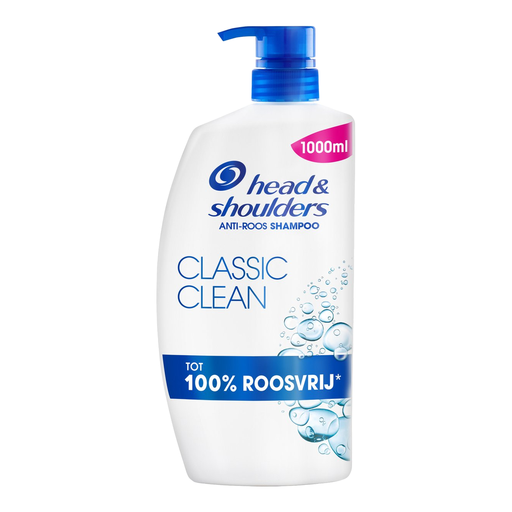
Why it suits this profile: The large pump bottle is designed for regular use and is practical for adults who want a reliable anti-dandruff shampoo in the bathroom.
The volume is clearly stated and the pump helps with dispensing. However, make sure the formula suits your scalp.
1,000 ml; pump bottle; according to the product information, suitable for all hair and scalp types and for daily use.
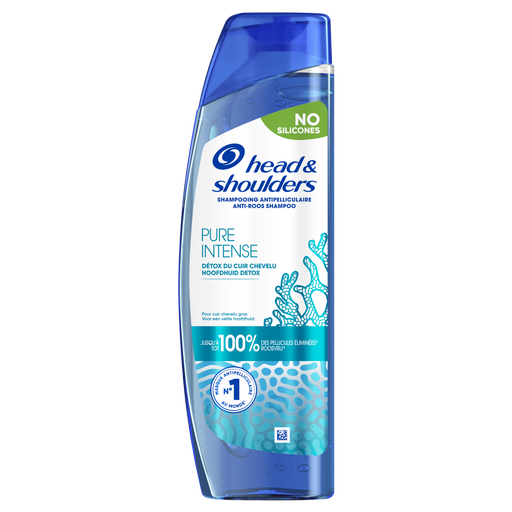
Why it suits this profile: According to the product description, this variant is intended for an oily scalp and greasy hair, with an emphasis on thorough cleansing.
The target user is clearly described. This helps you choose more precisely than with a general shampoo for all scalp types.
250 ml; sea minerals listed in the product description; according to the specifications, silicone-free and pH-balanced.
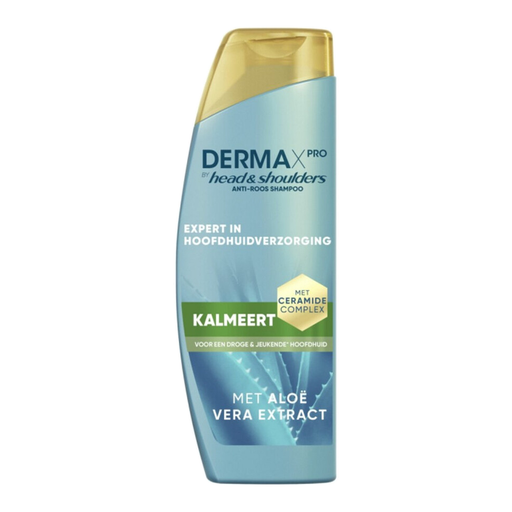
Why it suits this profile: The product information positions this variant for a dry, itchy scalp and mentions aloe vera, piroctone olamine and a ceramide complex.
This variant is not focused solely on dandruff; it also describes the scalp profile. That makes it easier to compare with a shampoo for greasy hair.
250 ml; aloe vera and ceramide complex listed; dermatologically tested according to the product specifications.
We’ve put together a complete, up-to-date list of products that fully meet these strict selection criteria and the applicable European safety regulations.
This depends on the directions for use and your scalp. Some variants are intended for daily use, while other products recommend washing two to three times a week. Start by following the instructions on the label and pay attention to how your scalp reacts.
Look for a formula that, according to the product information, is intended for a dry or sensitive scalp. Ingredients such as aloe vera, glycerine or a ceramide complex may be included in the formula. This is not a guarantee of comfort for everyone. Stop using the product if irritation occurs.
Check the expiry information on the packaging. Many products feature an open-jar symbol after opening, with for example 12M, referring to the recommended period of use after opening. Store the bottle in a cool, dry place, keep it properly closed and do not use a product if its fragrance, colour or texture has clearly changed.
