
Vandaag of morgen in huis

Kwaliteit gegarandeerd

Welkomstaanbiedingen ontgrendelen: GRATIS bezorging | Tot 80% korting | Gratis 30 dagen JoyPlus-proefperiode
Download de app
Do you often wake up with a stuffy nose, itchy eyes, or sneezing fits? You're not alone. For many, the bedroom—intended as a sanctuary of peace—is an unwitting source of allergens like dust mites. The right choices in bedding can make a huge difference to your night's rest and overall well-being. In this article, we provide practical tips and product recommendations to help you create a cleaner, more comfortable sleep environment.
The term 'anti-allergy' is widely used, but what does it really mean? It comes down to materials and designs that reduce exposure to allergens. Here are a few key points to help you make an informed choice.
Dust mites thrive in warm, humid environments and feed on skin flakes. Materials with a very dense weave, such as microfiber (polyester), make it harder for mites to embed themselves in the fabric. Furthermore, synthetic fabrics are often easier to wash at higher temperatures, which helps kill dust mites and remove allergens. This is a crucial aspect of allergy-free sleep.
One of the most effective ways to protect your mattress is with a waterproof and allergen-proof mattress protector. These covers form a physical barrier that prevents dust mites, skin flakes, and moisture from penetrating your mattress. A good mattress can be a significant investment; a protector not only extends its lifespan but also contributes significantly to bedroom hygiene.
In addition to passive protection, active cleaning is crucial. Regularly washing your bedding at 60 degrees Celsius is often recommended to kill dust mites. For your mattress and upholstered furniture, where washing isn't an option, a specialised mattress cleaner or vacuum with UV-C light and high suction power can be a solution for directly removing dust mites.
Based on product specifications and functionality, we have selected products that can contribute to an allergy-friendly bedroom.
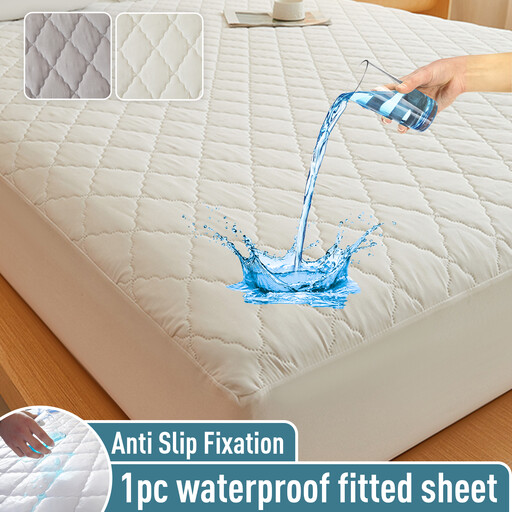
Why It Stands Out: This mattress protector combines functionality with comfort. The 100% polyester fabric features a quilted diamond pattern and an integrated waterproof barrier that blocks liquids without feeling stuffy.
Key Features:
Who Is It For? Ideal for families with young children, pet owners, or anyone who wants to protect their mattress from stains while creating a barrier against allergens.
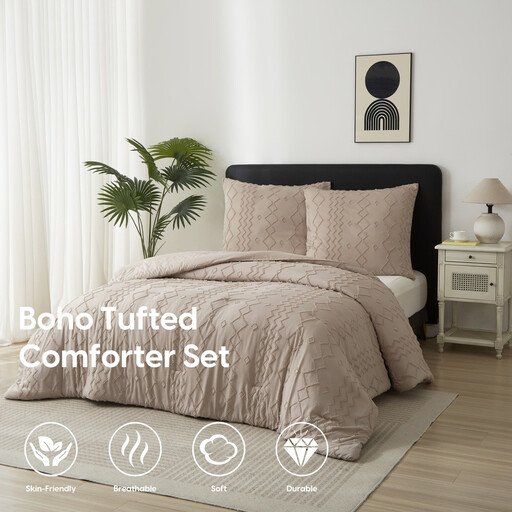
Why It Stands Out: This set, consisting of a comforter and two pillow shams, is made from 100% polyester microfiber. This material is known to be less hospitable to dust mites than many natural fillings. It's a practical choice for an anti-dust mite comforter.
Key Features:
Who Is It For? For those looking for a complete and stylish bedding set that is easy to maintain and, due to its material, contributes to a more allergy-friendly environment.
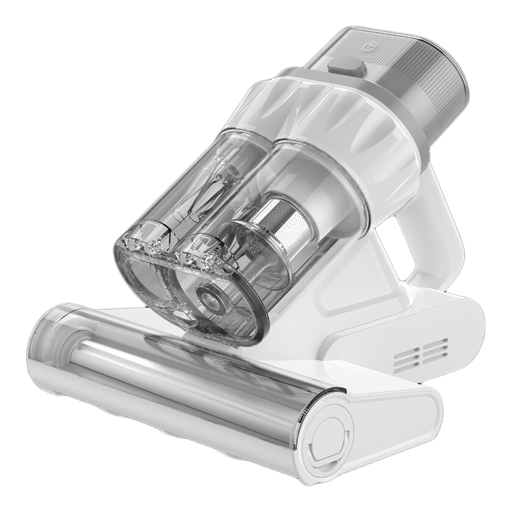
Why It Stands Out: This device is designed for actively cleaning mattresses, pillows, and furniture. It combines multiple technologies to tackle allergens. According to the manufacturer, it features a tapping function of 72,000 beats per minute, a suction power of 12,000 PA, UV-C sterilisation, and 65°C hot air.
Key Features:
Who Is It For? For people who want a proactive approach to removing dust mites and take overall bedroom hygiene seriously. It is a useful tool for deep cleaning surfaces that cannot be put in the washing machine.
Warning: Never look directly into the UV-C lamp or point it at people or pets. Do not use the device on wet surfaces.
Haven't found what you're looking for, or want to browse more choices in duvet covers, pillows, or fitted sheets? Every bedroom is different, and personal preference plays a major role.
Discover a wider range of bedding and other textile products in our Home Textiles category.
1. How often should I wash anti-allergy bedding? For optimal hygiene, it is recommended to wash your bedding, such as sheets and pillowcases, weekly. For comforters and mattress protectors, washing every 1 to 3 months is often sufficient, depending on your personal situation. Always check the product's care label.
2. Does a mattress protector really help with allergies? Yes, an allergen-proof mattress protector can be very effective. It forms a physical barrier that prevents dust mites and their waste from accumulating in your mattress and becoming airborne. It is a fundamental step in creating an allergy-friendly sleep environment.
3. What is the difference between 'hypoallergenic' and 'anti-allergy'? Although the terms are often used interchangeably, there is a subtle difference. 'Hypoallergenic' means a product is made from materials that are less likely to cause an allergic reaction (e.g., no irritating chemicals or dyes). 'Anti-allergy' (or more specifically, anti-dust mite) usually refers to products actively designed to reduce exposure to allergens like dust mites, for example, through a dense weave or a special treatment.
