
Vandaag of morgen in huis

Kwaliteit gegarandeerd

Welkomstaanbiedingen ontgrendelen: GRATIS bezorging | Tot 80% korting | Gratis 30 dagen JoyPlus-proefperiode
Download de app
Fine lines, dryness, a dull complexion and loss of firmness don’t automatically call for an expensive pot of cream. When choosing an anti-ageing face cream, the decision really comes down to your skin type, the ingredients list and when you plan to use the product. A wrinkle cream can make your skin feel more comfortable and smoother, but no cosmetic product can stop skin ageing completely.
Words like “lifting”, “regenerating” and “collagen” sound convincing. Yet without context, they tell you very little about the expected outcome. According to a brand’s own research, certain ingredients or technologies may show an improvement in self-assessments, but that’s not the same as a guaranteed effect for every user.
So look for verifiable information:
A retinol cream or product with exfoliating acids can be appealing for fine lines and uneven skin texture. At the same time, retinol and acids can cause dryness or irritation if used incorrectly. Start with a low frequency, use sun protection during the day and don’t simply combine multiple active products.
Not every firming face cream contains UV protection. An anti-ageing day cream with SPF can be practical, but always check the stated protection factor and use enough product. For prolonged sun exposure, a separate sunscreen is often more convenient for regular reapplication.
A face cream for dry skin often contains humectants such as glycerine, hyaluronic acid or panthenol. These help the skin retain water or feel more comfortable. For a weakened skin barrier, ceramides, plant oils and shea butter are relevant ingredients to look out for.
Niacinamide can appear in various formulas and is often used to support the skin barrier and promote a more even-looking complexion. Do check the full ingredients list: a rich cream can be pleasant for dry skin, but may feel too heavy on oily or combination skin.
A 50 ml pot and a 50 ml pump bottle contain the same amount of product, but the packaging affects how you use it. A pump bottle limits contact with the formula and can be practical for daily use. For every product, follow the information on the packaging for shelf life, the symbol for use after opening and any warnings.
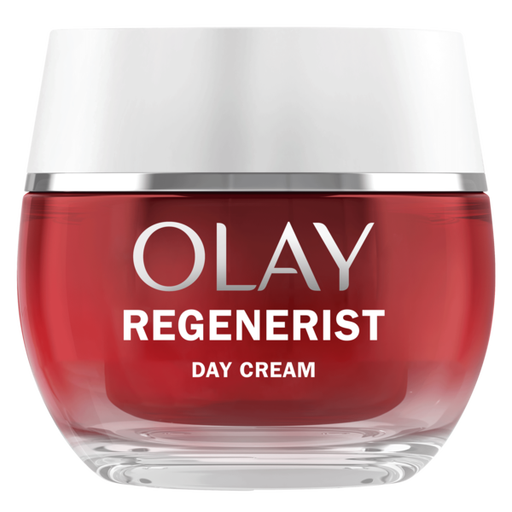
Why this fits the profile: A daily cream for anyone who wants to start hydrating and caring for normal, dry or oily skin without a complicated routine.
The product description mentions niacinamide, peptides and 24-hour hydration. Check the current packaging for the definitive ingredients list and claims.
50 ml; suitable for multiple skin types; designed for daily use.
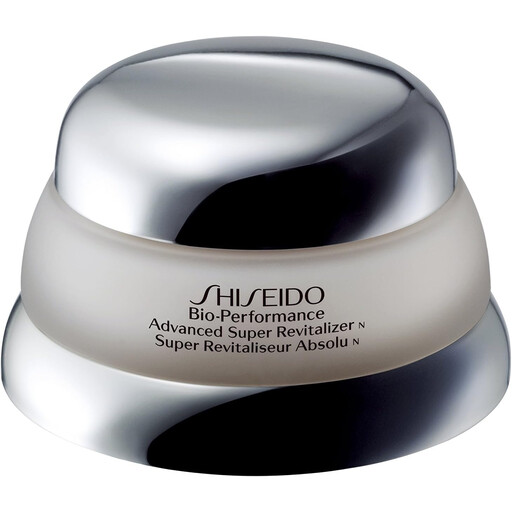
Why this fits the profile: For those who value a luxury skincare product and are deliberately looking for a richer face cream for mature skin.
The product page clearly states the variant and volume. Compare the ingredients and price per millilitre before opting for a more premium option.
50 ml; luxury cream formula; suitable for an extensive skincare routine.
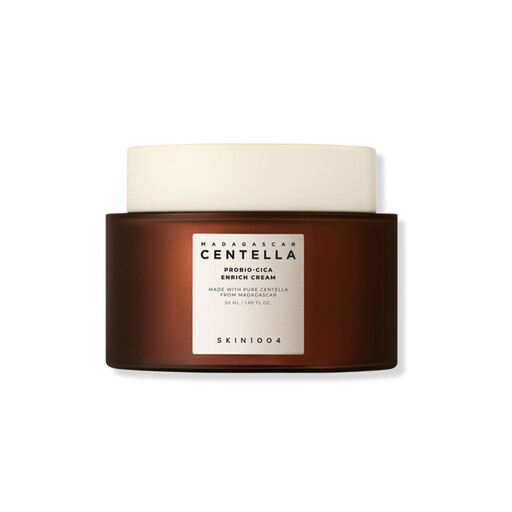
Why this fits the profile: An option for those who are mainly looking for comfort, hydration and barrier care rather than a strong active ingredient.
The formula lists ceramide NP, glycerine and shea butter. If you have sensitive skin, always check the current ingredients list and patch test first.
50 ml; contains ceramide NP; according to the product information, vegan and cruelty-free.
We’ve put together a full, up-to-date list of products that fully meet these strict selection criteria and comply with current European safety regulations.
A Korean face cream is not automatically gentler or more effective than a European product. Look at the ingredients, packaging, usage instructions and price per millilitre. Even with a cream for mature skin, a simple routine that you use consistently is often more practical than multiple products with overlapping active ingredients.
Look for a hydrating face cream with glycerine, hyaluronic acid, panthenol, ceramides, oils or shea butter. A richer texture can be pleasant, especially in the evening. Patch test a new formula first if you react quickly.
Always follow the label. For first-time use, starting every other night or a few times a week is a cautious approach. Do not use multiple retinol, AHA or BHA products at the same time and protect your skin from sunlight during the day.
That depends on the volume and the amount used per application. A 50 ml product can last several weeks to a few months with daily use. Note the date after opening and stick to the period-after-opening symbol on the packaging.
