
Vandaag of morgen in huis

Kwaliteit gegarandeerd

Welkomstaanbiedingen ontgrendelen: GRATIS bezorging | Tot 80% korting | Gratis 30 dagen JoyPlus-proefperiode
Download de app
Fine lines, drier skin and reduced resilience are normal changes that occur with age. An anti-aging face cream can help your skin feel more comfortable, smoother and better hydrated. The real difference lies in the formula, texture and suitability for your skin type—not just in the promise on the packaging.
Buying an anti-wrinkle cream without comparing your options can quickly lead to a few familiar pitfalls.
Words such as “lifting”, “repair” or “72-hour hydration” sound compelling, but they do not always explain how a product fits into your routine. According to Estée Lauder’s own research, the Youth Power Cream provides up to 72 hours of hydration, and participants reported changes in firmness and wrinkles. This is a brand claim based on specific research conditions, not a guarantee for every skin type.
Always start by checking verifiable information such as:
Retinol, glycolic acid and certain fragrance ingredients may be less comfortable for some users. The Retinol 0.1 Cream lists 0.1% retinol. Topicrem AH Theavit contains glycolic acid, an AHA. These ingredients may be suitable for a targeted fine-line cream, but introduce them gradually and always check the current packaging.
If redness, a burning sensation, itching or swelling occurs, discontinue use. Test a new face cream for sensitive skin on a small area first. During the day, apply sunscreen whenever the leaflet or packaging recommends it.
A more luxurious cream is not automatically a better match for your skin. A rich cream can feel comfortable on dry skin, but may feel too heavy on combination skin. A lightweight gel-cream can be comfortable during the day, yet may require additional support in winter.
Compare the formula and intended use instead. This helps prevent a jar from being left unused in the bathroom.
For mature or dehydrated skin, humectants and soothing ingredients are often particularly useful. Look for:
A hydrating face cream cannot permanently eliminate wrinkles, but well-hydrated skin may temporarily appear smoother and feel more supple.
Choose according to your primary concern:
Also pay attention to the order of the ingredients. Substances listed higher up are generally present in greater amounts than those near the bottom. The exact composition may vary between production batches. The packaging of the product you receive remains the authoritative reference.
A 50 ml jar and a 50 ml pump bottle contain the same amount of product, but differ in ease of use and exposure to air. A pump bottle can be convenient when you want to dispense the product quickly and hygienically. A jar usually requires clean hands or a spatula.
During the day, a lightweight cream can sit comfortably under makeup. At night, a richer anti-wrinkle night cream may be a better fit for dry skin. Also check the expiry date and the period after opening.
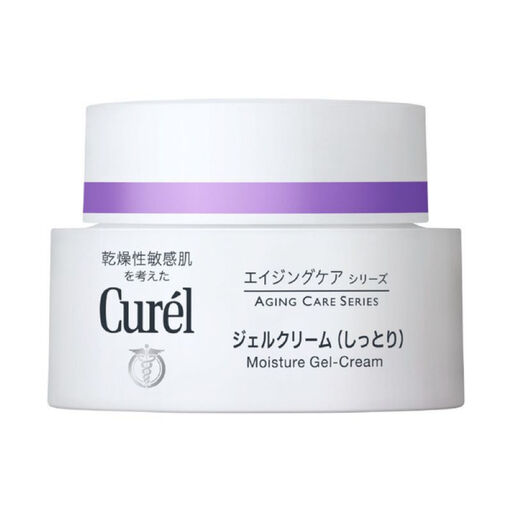
Why it’s a good fit: A practical choice for anyone looking for a compact face cream for sensitive skin and a streamlined routine.
The formula lists allantoin and glycerin and is intended for use after toner, without a complicated routine.
40 g; allantoin as an active ingredient; usage advice for dry areas and the entire face.
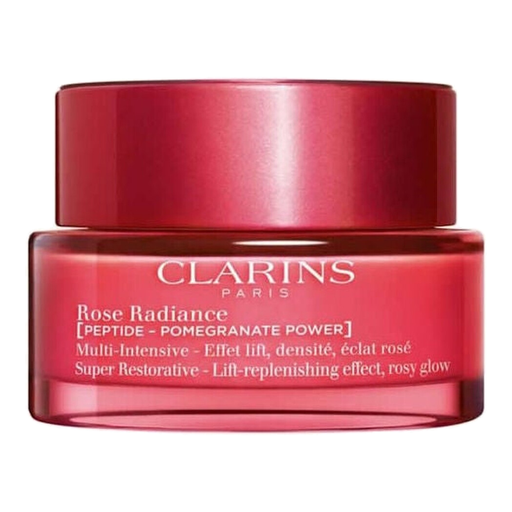
Why it’s a good fit: Designed for mature users seeking a rich texture and a fresher-looking complexion, particularly if they have mature skin.
The product description states that 93% of the ingredients are of natural origin, but check the fragrance content if your skin is sensitive to it.
50 ml; glycerin, squalane, peptide and pomegranate extract listed; pump packaging.
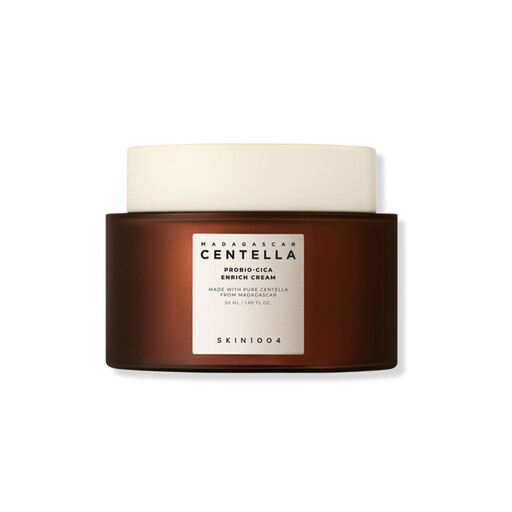
Why it’s a good fit: Suitable for anyone looking for a Korean anti-aging cream with a nourishing, richer texture for dry or sensitive skin.
The description states that it is suitable for all skin types, but a patch test is still advisable for delicate skin.
50 ml; glycerin, niacinamide, Centella Asiatica and Ceramide NP listed among the ingredients; vegan according to the product information.
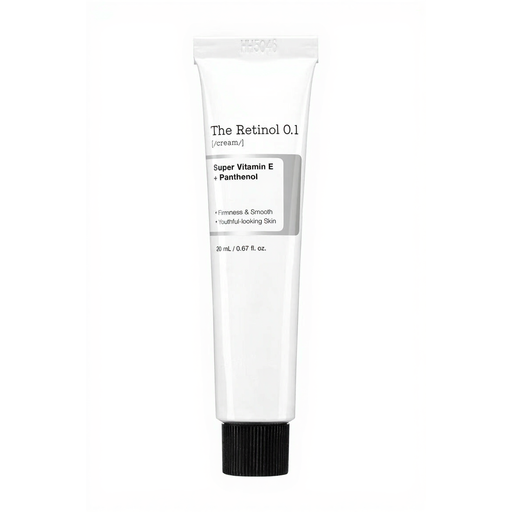
Why it’s a good fit: For users specifically seeking a retinol cream for fine lines and wanting to build their evening routine step by step.
The stated 0.1% retinol means this is not a neutral basic cream. Start with limited use and follow the warnings on the packaging.
20 ml; retinol listed as an active ingredient; hyaluronic acid and panthenol mentioned as hydrating components.
Discover a current selection of products suited to different skin types, textures and skincare goals.
Apply a day cream for mature skin to a cleansed face and, if desired, the neck. Use no more product than necessary: a thin, even layer is usually sufficient. An anti-wrinkle night cream can be applied as the final step in your evening routine.
Do not combine several potent ingredients straight away. Introduce one new product at a time so you can assess how your skin responds. During the day, sun protection remains essential, especially when using a product containing retinol or exfoliating acids.
Look for glycerin, hyaluronic acid, squalane, oils, shea butter and ceramides. A richer cream may feel more comfortable on dry skin than a lightweight lotion. If your skin is sensitive, also check for fragrance and potentially irritating ingredients.
For some routines, this combination may be too intense. It is best not to use them at the same time when you are just starting out. Instead, alternate evenings, introduce them gradually and follow the product instructions. Discontinue use if irritation persists, and consult a doctor or pharmacist if in doubt.
That depends on the amount of product and how much you use each time. A 50 ml pack applied in a thin layer each day will often last longer than a compact 20 or 30 ml product. Always check the period after opening and the date printed on the packaging. The current packaging is the authoritative reference.
