
Vandaag of morgen in huis

Kwaliteit gegarandeerd

Welkomstaanbiedingen ontgrendelen: GRATIS bezorging | Tot 80% korting | Gratis 30 dagen JoyPlus-proefperiode
Download de app
The search for a good anti-aging cream can be overwhelming. Jars promise youthful skin, but the shelves are lined with products all claiming to be the solution. How can you tell what truly works for your skin versus what's just marketing hype? As a Product Recommendation Officer at Joybuy, I'm here to help you cut through the noise. We'll discuss the most common pitfalls and give you actionable advice to choose a product that fits your needs, without overpaying for empty promises.
Before you invest in a new product, it's wise to be aware of a few common missteps. This will help you avoid disappointment and unnecessary expenses.
cream for mature skin 50+ focused on restoring firmness. There is also a clear distinction between a day and a night cream.To make an informed choice, it's helpful to know which elements truly make a difference. Focus on the following three points.
The foundation of combating skin aging lies in the ingredients. Here are a few commonly used substances and what they do:
retinol cream. It is known to support cell renewal. It can initially irritate the skin, so build up its use slowly. Bakuchiol is often mentioned as a milder, plant-based alternative.hyaluronic acid cream helps the skin retain moisture, which can make it look fuller and smoother. It is especially effective for reducing fine lines caused by dryness.An effective approach often requires more than one product.
eye cream for puffiness and wrinkles is formulated to target issues like dark circles and fine lines without causing irritation.To help you get started, we have selected a few products that suit different needs and life stages.
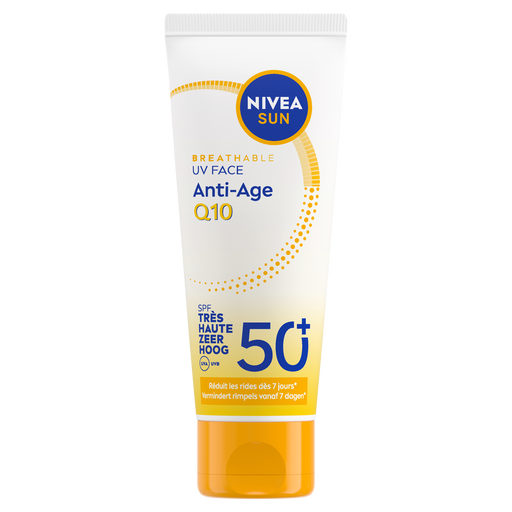
Why This Fits Their Persona: Ideal for those who want to focus on prevention. This product combines high sun protection, the most important step in combating skin aging, with the antioxidant Q10. It's a practical all-in-one day cream.
This isn't a vague "miracle cream," but a product that focuses on the proven foundation of anti-aging: sun protection. It addresses the cause rather than just the symptoms.
High SPF 50 protection. The formula is light, non-greasy, and doesn't clog pores, making it an excellent base for makeup.
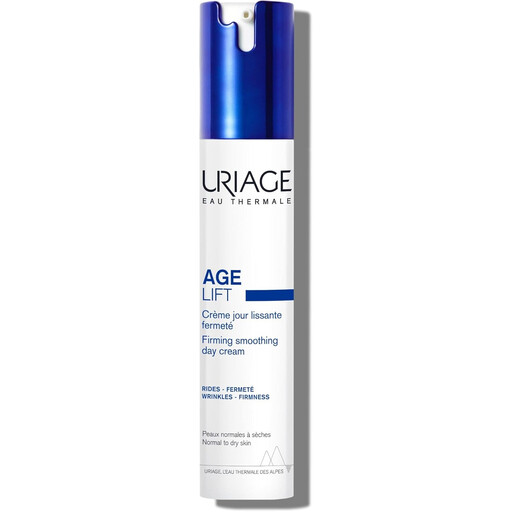
Why This Fits Their Persona: For those seeking a more powerful approach against wrinkles and loss of firmness. This cream combines multiple active ingredients for comprehensive care.
It doesn't rely on a single ingredient but combines Retinol and Hyaluronic Acid. This demonstrates a well-thought-out formula that both treats and hydrates, and is suitable for sensitive skin.
The velvety texture with shea butter feels comfortable on the skin. The formula is dermatologically tested and non-comedogenic, meaning it won't clog pores.
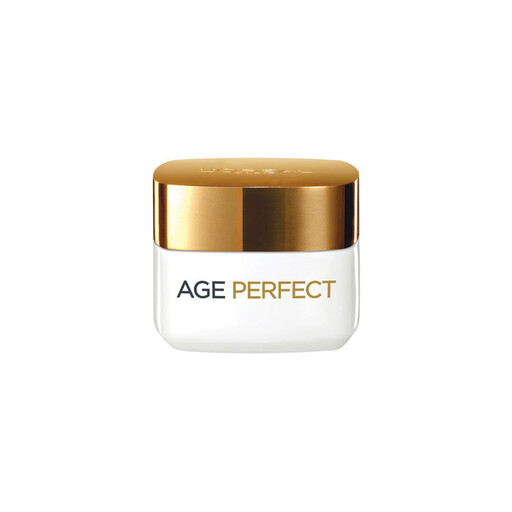
Why This Fits Their Persona: This cream is specifically developed for the needs of mature skin from age 50 onwards. The focus is on restoring firmness and addressing age spots, common concerns in this age group.
This product avoids the "one-size-fits-all" trap by explicitly targeting a cream for mature skin 50+. It acknowledges that skin needs change and offers a targeted formula instead of a generic anti-wrinkle cream.
The formula contains a soy-ceramide complex to support the skin. It also includes UV filters to help prevent the formation of new age spots.
We have compiled a complete, up-to-date list of products that meet these selection criteria and comply with current regulations.
There is no fixed age, as skin aging depends on genetics and lifestyle. Many people start with preventative products around their 30s, such as a hydrating cream with antioxidants and a good SPF. If you have specific concerns, like fine lines, you can start with targeted products earlier.
You can, but it's not ideal. An anti-aging day cream is designed to protect, often with SPF, which you don't need at night. An anti-wrinkle night cream is focused on repair and often contains more active ingredients that work better when your skin is at rest and not exposed to the sun. For optimal results, it is recommended to use both.
Patience is key. While your skin may feel instantly more hydrated and softer, active ingredients like retinol need time to work. According to many brands, you can expect to see the first visible improvements in skin texture and fine lines after several weeks to months of consistent use. Always read the directions for the specific product.
