
Vandaag of morgen in huis

Kwaliteit gegarandeerd

Welkomstaanbiedingen ontgrendelen: GRATIS bezorging | Tot 80% korting | Gratis 30 dagen JoyPlus-proefperiode
Download de app
An anti-ageing serum can help you target your skincare routine more effectively, but there’s a lot of choice. Peptides, collagen, PDRN and hyaluronic acid often feature on packaging. That doesn’t automatically mean every serum will suit your skin or meet your expectations.
Look out for these three common pitfalls:
Peptides are often used in a serum for fine lines and skin that feels less supple. A peptide serum can contain different combinations of peptides, such as palmitoyl tripeptide-1, acetyl hexapeptide-8 or copper peptides. Always check that the ingredient actually appears in the ingredients list.
A hyaluronic acid serum is particularly worth considering if your skin feels tight or dehydrated. Hyaluronic acid and sodium hyaluronate are available in different molecular sizes. However, product information doesn’t always state which concentration or molecular size has been used. So treat “deep hydration” as a product claim, not a guaranteed result.
A collagen serum may contain collagen extract or hydrolysed collagen. According to the product descriptions of some brands, these ingredients are intended to leave the skin’s surface looking plumper or more supple. It’s also worth looking for glycerin, panthenol, niacinamide and other hydrating ingredients.
Sensitive or mature skin doesn’t automatically need a mild serum, but tolerance is important. Check for:
It’s a good idea to patch test a new product first. Introduce highly concentrated serums gradually and use sun protection during the day. Always follow the label and the specific directions for use.
A lightweight serum usually absorbs quickly and works well under day cream or make-up. A milky or richer texture may feel more comfortable on dry skin, but may not suit you if your skin tends to look shiny.
Also compare the size: 15, 20, 30, 50 and 55 ml are all available. A smaller bottle isn’t necessarily better value if you use it every day. Consider the packaging too. A pump or dispenser limits contact with air and fingers, while a pipette can give you more control over the amount you use.
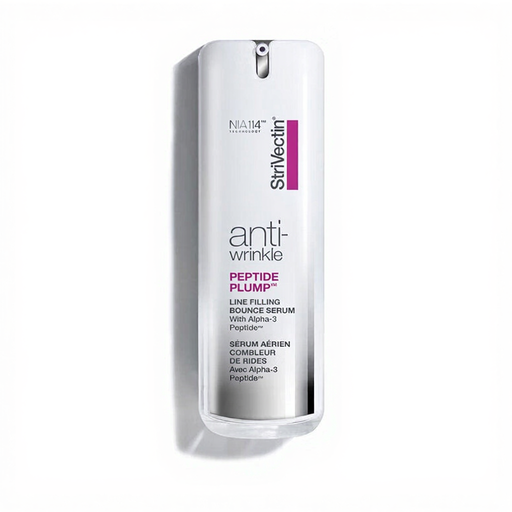
Why it suits this profile: A straightforward choice if you’re trying a peptide serum for the first time and want a lightweight texture for day and night. The product information says it’s suitable for all skin types, including sensitive skin.
The ingredients list is available and includes glycerin, hydrolysed hyaluronic acid, sodium hyaluronate and pentapeptide-84. Perfume is also listed, so check how well you tolerate it.
30 ml with a dispenser; lightweight serum texture; contains several hydrating ingredients and a peptide.
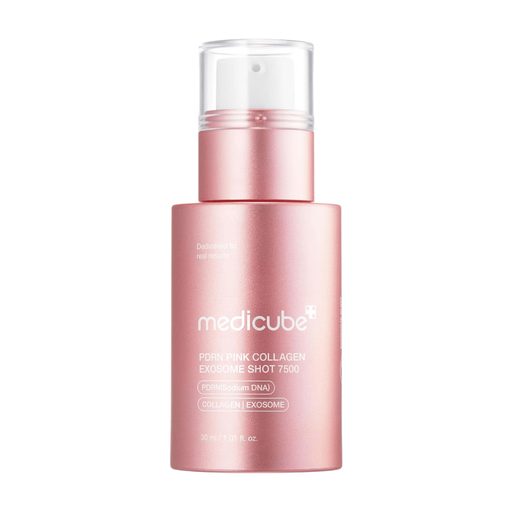
Why it suits this profile: For anyone specifically looking for a PDRN serum with several hydrating ingredients and prepared to follow the safety instructions carefully.
The product information lists retinol, spicules and alcohol. Use sun protection, avoid the eye area and stop using the product if irritation persists. The PDRN and exosome claims come from the brand’s product description.
30 ml; contains several forms of hyaluronic acid, peptides, niacinamide and retinol; usage warnings are clearly stated.
We’ve put together a complete, up-to-date list of products that meet these strict selection criteria and the current European safety requirements.
Usually, apply a serum after cleansing and, if you use one, toner, but before your moisturiser. Some formulas are suitable for morning and evening use; with retinol or a tingling serum, follow the product instructions. Use sun protection during the day, especially if the label advises you to.
Check the expiry date or PAO information on the packaging. The period after opening varies from product to product. Close the bottle properly and store it somewhere cool and dry, away from direct sunlight. If the smell, colour or texture changes, stop using the product.
If you have sensitive skin, choose a formula with clear directions for use and test it on a small area of skin first. Look out for perfume, alcohol, retinol and spicules. For mature, dehydrated skin, a hydrating serum with glycerin or hyaluronic acid and a peptide serum are both sensible options to compare. Always check the full ingredients list rather than relying only on the front of the packaging.
