
Vandaag of morgen in huis

Kwaliteit gegarandeerd

Welkomstaanbiedingen ontgrendelen: GRATIS bezorging | Tot 80% korting | Gratis 30 dagen JoyPlus-proefperiode
Download de app
An anti-ageing serum for your face can be a practical addition to your daily routine. However, it’s not wise to rely solely on words like “lifting”, “rejuvenating” or “visible results”. The formula, concentration, usage instructions and suitability for your skin matter far more.
When you’re looking for a face serum to target wrinkles, these are the most common pitfalls to watch out for:
The ingredients list, also known as the INCI list, gives a more objective picture than the product name. Look for ingredients that match your goal:
A brand’s claim about an ingredient or effect should be read as a statement from the manufacturer. For example, NIVEA states with Luminous630 that, according to its own research, the ingredient can visibly reduce pigmentation spots. That is not a guarantee for every skin type.
A higher percentage is not automatically better. With retinol serum and retinal serum, getting your skin accustomed is important. Some products recommend using them every other day or just a few times a week. Neostrata Retinol Repair Complex, for instance, states 0.3% pure retinol and advises starting with one to two applications per week.
Generally, use vitamin A derivatives in the evening and combine them with sun protection during the day. The product information for SKIN1004 Retinol 0.2 Boosting Shot Ampoule also warns of increased sensitivity to the sun and advises against use during pregnancy or breastfeeding. If in doubt, consult a doctor or pharmacist.
Don’t just compare the price; also compare the number of millilitres. An eye serum of 15 or 30 ml is used differently from a serum for the whole face. Also check:
An anti-ageing skincare set may seem like good value, but check whether all the components actually fit your routine. A set with a day cream, night cream and primer is handy if you want to build a complete routine; a separate serum makes more sense if you already have suitable creams.
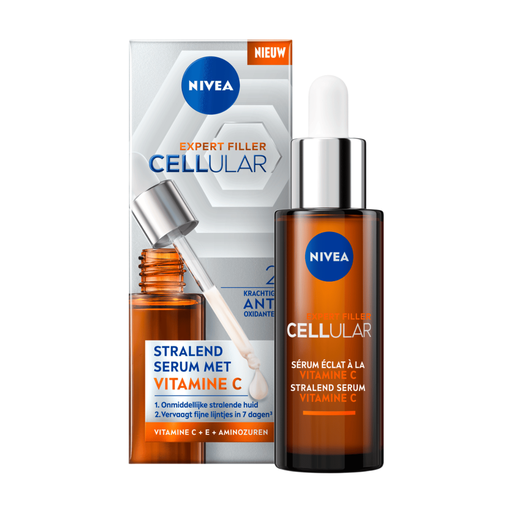
Why it fits this profile: An accessible 30 ml serum for anyone wanting to add daily hydration and a more radiant-looking complexion without combining multiple active products straight away.
The product description mentions the form of vitamin C used, along with vitamin E and amino acids. According to NIVEA’s own research, the skin feels hydrated from the first day; check whether this matches your own skin experience.
30 ml; vitamin C and E; suitable for all skin types according to the product information; can be used daily on the face, neck and décolletage.
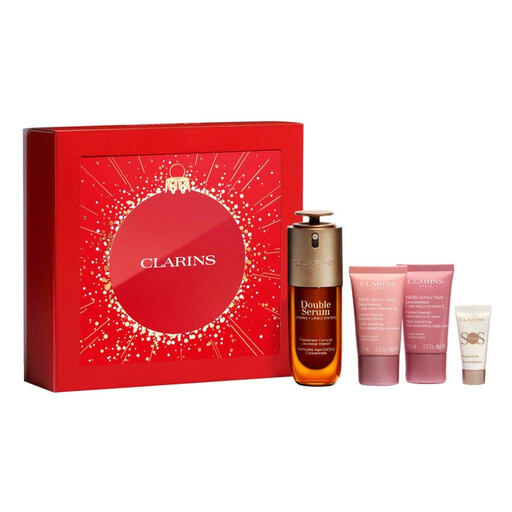
Why it fits this profile: Ideal for anyone looking for a premium routine with serum and eye care, and who prefers to buy one coordinated set.
The contents are clearly specified: Double Serum 50 ml plus Double Serum Eye Cream 20 ml. This makes it clear that there are two different applications, not one large face serum.
50 ml serum and 20 ml eye cream; unisex; can be used day and night according to the product information.
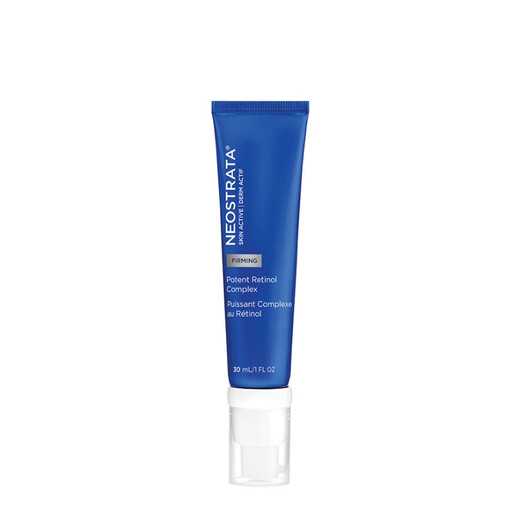
Why it fits this profile: For users who want to consciously build up a retinol serum and are prepared to increase the frequency gradually.
The usage instructions recommend starting with one to two applications per week. According to the product information, the formula contains 0.3% retinol, 4% niacinamide and 2% neoglucosamine.
30 ml; retinol, niacinamide, hyaluronic acid and Centella Asiatica; clear guidance on building up usage frequency.
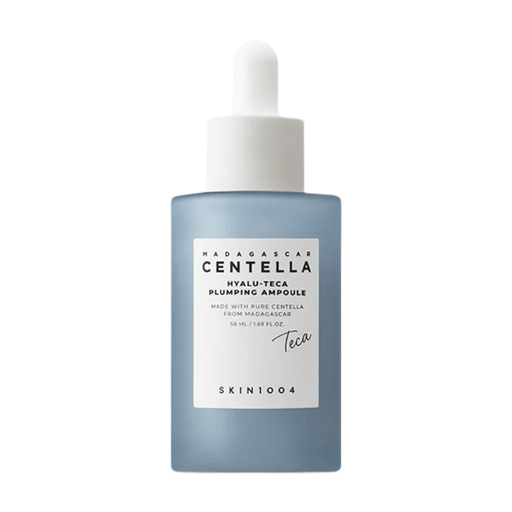
Why it fits this profile: A logical choice for anyone primarily looking for a hydrating face serum with a generous volume for daily use.
The ingredients list includes glycerin, sodium hyaluronate, Centella Asiatica and ceramide NP. This means you can check the formula rather than relying solely on the term “plumping”.
50 ml; hyaluronic acid and glycerin; contains Centella Asiatica and ceramide NP; to be used before a moisturiser.
We’ve put together a full, up-to-date list of products that fully meet these strict selection criteria and comply with current European safety regulations.
Apply a serum to a cleansed face, usually before a moisturiser. Start with one product at a time so you can see how your skin reacts. With retinol or retinal, building up slowly is important. Use a sun protection product during the day according to the instructions on the product.
A serum for pigmentation spots does not replace sunscreen. Even a product with vitamin C or retinoids does not automatically prevent new pigmentation from forming. Stop if you experience persistent redness, itching, swelling or a burning sensation, and consult a doctor if symptoms are severe.
Look for a hyaluronic acid serum or a formula with glycerin, panthenol and ceramides. Then apply a moisturiser to support the nourishing feel. Avoid using several strong active serums at once to begin with.
It can depend on the formulas and your skin’s tolerance, but it’s not necessary to combine them straight away. For example, start with vitamin C in the morning and retinol on separate evenings. Always follow the product instructions and use sun protection during the day.
The shelf life varies by brand and packaging. Check the expiry date, batch information and the symbol for the period after opening. Close the bottle properly and store it according to the instructions, usually in a cool, dry place away from direct sunlight.
