
Vandaag of morgen in huis

Kwaliteit gegarandeerd

Welkomstaanbiedingen ontgrendelen: GRATIS bezorging | Tot 80% korting | Gratis 30 dagen JoyPlus-proefperiode
Download de app
Mature skin can feel drier, duller and less elastic. An anti-ageing serum may seem like a natural addition to your routine, but not every product suits the same needs. Some serums focus mainly on hydration, while others target a firmer appearance, skin texture or a more radiant complexion.
As a Joybuy Product Recommendation Officer, I filter product information for practical details. This makes it easier to see which formula suits your skin type and expectations, without treating marketing claims as guaranteed results.
Words such as “lifting”, “contouring” and “restructuring” sound appealing. Often, they refer to how your skin looks or feels after application. A smoothing texture, light-reflecting ingredients and moisture can temporarily make skin look plumper or tighter. That’s different from a lasting change to your facial contours.
So check whether a serum clearly lists which ingredients it contains, such as peptides, niacinamide, glycerine or hyaluronic acid. A product description can’t guarantee the same results for every user.
A collagen serum may be worth considering if you want to support firmer-looking skin, but check the full ingredients list. Is collagen, a collagen extract or a peptide clearly listed? Look at the texture and other hydrating ingredients, too.
Don’t treat claims about collagen production or elasticity as medically proven effects. A brand’s own research may show certain percentages or results for a specific test group. That doesn’t automatically mean you’ll experience the same effect.
An anti-wrinkle serum may contain alcohol, fragrance, acids or highly concentrated active ingredients. That’s not necessarily a problem, but dry or sensitive skin may react with tightness or irritation. Check the ingredients list and test any new product on a small area of skin first.
For best results, apply a hydrating serum under a moisturiser. During the day, use sun protection too, as serums generally don’t provide full protection from UV rays.
A hyaluronic acid serum often contains sodium hyaluronate or hyaluronic acid. These ingredients help the skin retain moisture, which can temporarily make it look plumper and feel smoother. Glycerine, betaine, panthenol and polyglutamic acid are other ingredients you may find in a hydrating serum.
Consider how it works with a moisturiser. On its own, a serum may not be enough to keep moisture in comfortably for long if you have dry skin.
A firming serum or serum for elasticity often contains peptides, niacinamide, amino acids or plant extracts. These ingredients are used in formulas designed to make skin look smoother, firmer or more resilient. Always check the product description and ingredients list rather than relying only on the front of the packaging.
Niacinamide may also suit uneven skin tone and skin that feels out of balance. However, the exact concentration isn’t always listed. So compare more than just the ingredient name: consider the formula as a whole.
Before buying, check:
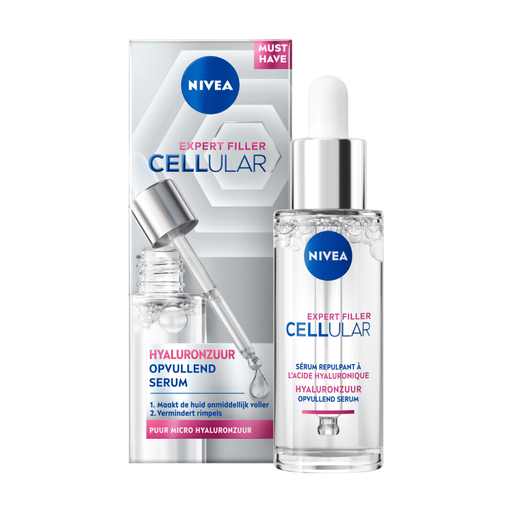
Why it suits this profile: An accessible option if you mainly want to try a hydrating serum without putting together an extensive routine straight away.
The product information specifically mentions micro hyaluronic acid and a size of 30 ml. This makes its main purpose clearer than that of a formula with only a general anti-ageing claim.
Sodium hyaluronate, glycerine, stated as suitable for all skin types according to the product information, and can be used morning and evening.
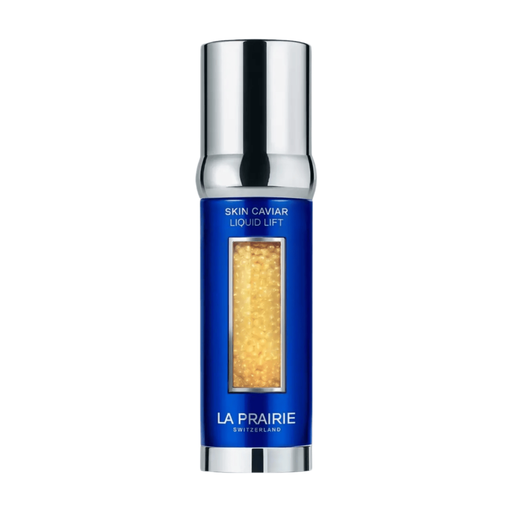
Why it suits this profile: A good fit if you value a luxurious texture, a pump dispenser and a serum described in the product information as suitable for all skin types.
The formula lists peptides, sodium hyaluronate and ceramide NP, among other ingredients. Do check the current packaging, though, as the online product information describes it as both fragrance-free and containing fragrance in the ingredients list.
50 ml, a fluid consistency, pearl emulsion according to the description, and a blend of hydrating and nourishing ingredients.
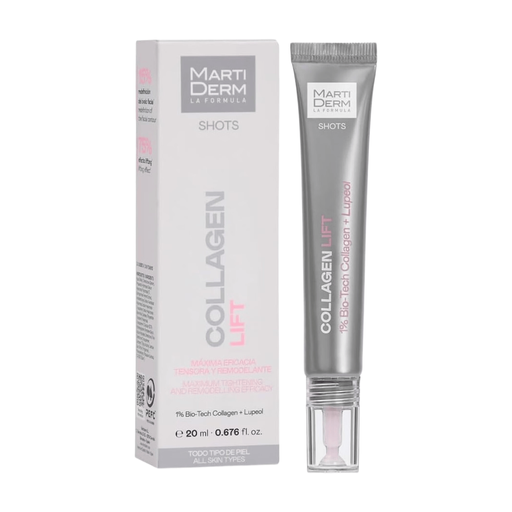
Why it suits this profile: Suits users who want to fit a compact, targeted firming serum into their daily routine.
The product information lists a concentration of 1% biotech collagen and lupeol. The bottle contains 20 ml, so you can consider the quantity and intended use before buying.
Light texture, quick absorption according to the product description, and stated as suitable for dry, sensitive and mature skin, among other skin types.
We’ve put together a complete, up-to-date list of products that meet these strict selection criteria and current European safety regulations.
Cleanse your face and apply a small amount to your face and neck. Follow with a moisturiser. Always follow the instructions on the label. If you’re trying a new product, it’s a good idea to test it on a small area of skin first.
It depends on the size, how much you use and how often you apply it. A 30 ml bottle may last several weeks with daily use. Also check the period after opening, for example 6M or 12M, on the packaging.
No. The price doesn’t just reflect the formula; it may also relate to brand positioning, packaging and texture. Focus on comparing the ingredients, size, skin type, fragrance and what you want the serum to do: hydrate, improve firmness or elasticity, or give your skin a more even appearance.
