
Vandaag of morgen in huis

Kwaliteit gegarandeerd

Welkomstaanbiedingen ontgrendelen: GRATIS bezorging | Tot 80% korting | Gratis 30 dagen JoyPlus-proefperiode
Download de app
An anti-ageing serum can be a valuable addition to your skincare routine, but not every product suits every skin type or regimen. Serums targeting wrinkles, fine lines or dehydrated skin are often promoted with buzzwords like collagen, PDRN, peptide complexes and “glow”. On their own, these terms don’t tell you much about how suitable a product actually is.
Pay particular attention to three common pitfalls:
First, decide what you want to address. For dehydrated skin, a hydrating serum with glycerine, hyaluronic acid or sodium hyaluronate is a good fit. If you’re looking for skin that feels smoother and looks firmer, consider a peptide serum, collagen serum or firming serum.
Peptides appear in products like the The 6 Peptide Skin Booster and the AXIS-Y Vegan Collagen Eye Serum. The ingredients lists of these products mention several peptides, including acetyl hexapeptide-8 and copper tripeptide-1. These are verifiable product specifications; expected results can vary from skin to skin.
Collagen in a serum mainly works as a conditioning ingredient on the skin’s surface. According to the product description for the Medicube Triple Collagen Serum 4.0, it contains hydrolyzed collagen, soluble collagen and atelocollagen, alongside hyaluronic acid and niacinamide. The manufacturer links this to hydration and a firmer appearance. Treat this as a product claim, not a guaranteed result.
A retinol serum and a retinal serum require more attention than a simple hydrating serum. Retinal is a form of vitamin A. The celimax The Vita-A Retinal Shot Tightening Booster lists 0.1% pure retinal and 3% Matrixyl 3000 in its product description.
According to the usage advice, start with a small amount and apply it every other evening. Use sun protection during the day and don’t combine several strong active ingredients straight away. If you experience persistent redness, stinging or swelling, stop using the product and seek advice from a doctor or dermatologist. If you are pregnant or breastfeeding, always check the label and ask for medical advice if needed; some retinol products state that use is not recommended.
A serum labelled as suitable for all skin types isn’t automatically the right choice for everyone. Sensitive skin may struggle with fragrance, alcohol, retinoids or irritating spicule technology. Dry skin, on the other hand, can benefit from a formula with glycerine, ceramides and hyaluronic acid.
Also consider the size. A product of 9 or 15 ml can be handy for targeted use, but it will run out faster than a 30, 55 or 75 ml bottle. So compare the volume with the recommended amount and frequency of use, not just the price of the bottle.
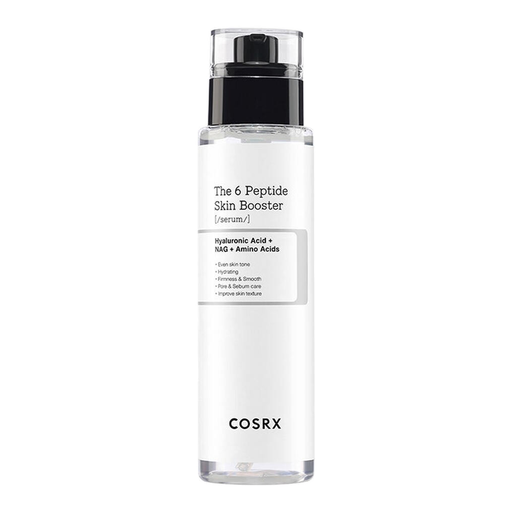
Why this fits the profile: The 150ml size makes this a practical choice if you want to build a peptide serum into your daily routine without buying multiple products straight away.
The ingredients list mentions six peptides, niacinamide, glycerine and sodium hyaluronate. This lets you compare the formula concretely rather than relying on marketing terms alone.
150ml size; suitable for morning and evening use according to the product description; no retinol listed in the ingredients.
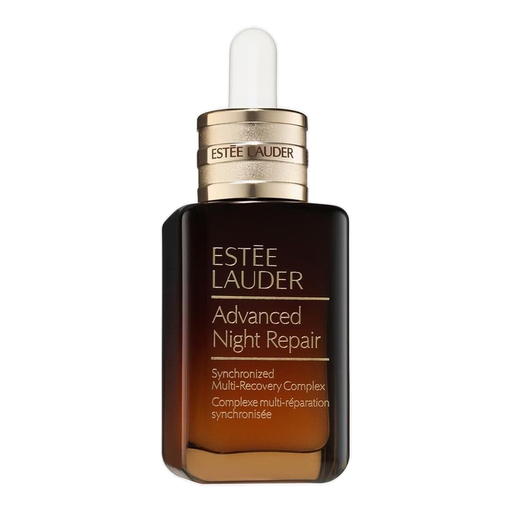
Why this fits the profile: If you want a simple routine built around one central hydrating serum, this formula works for day and night in a 30ml size.
The product information states an oil-free and fragrance-free formula. This makes comparison easier for users who value these features.
Hyaluronic acid is listed; according to the product description, it is suitable for all skin types and for use during the day and evening.
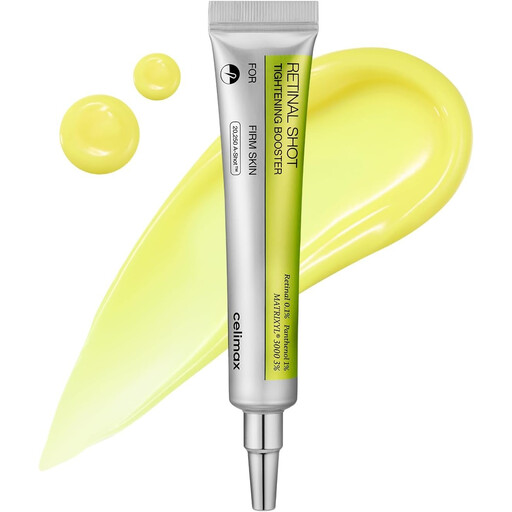
Why this fits the profile: This product is aimed at users who consciously want to add a retinal serum to their evening routine and are prepared to build up the frequency gradually.
The usage advice recommends starting every other evening, applying a small amount and letting the skin adjust. This reduces the risk of building up too quickly.
0.1% retinal; 3% Matrixyl 3000 according to the product description; clear advice about sun protection.
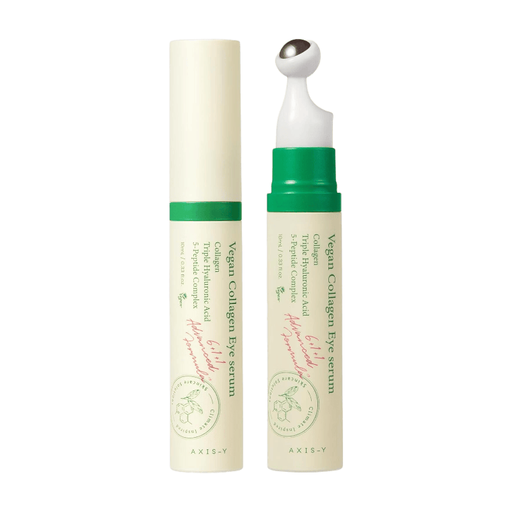
Why this fits the profile: This is designed for the eye contour area and suits anyone who wants to treat fine lines and dryness around the eyes separately.
The application is clearly limited to the eye area. Therefore, do not use it as a replacement for a face serum.
10ml size; collagen 450ppm, niacinamide, multiple peptides and different forms of hyaluronic acid are listed in the ingredients.
We’ve put together a full, up-to-date list of products that fully meet these strict selection criteria and comply with current European safety regulations.
Apply the serum to a cleansed face, usually after toner and before moisturiser. One to a few drops is typically enough; always follow the label. If you’re using a retinol or retinal product, wear sun protection during the day and introduce only one new active product at a time.
A PDRN serum or peptide serum may appeal to you if you follow Korean skincare, but also compare the full INCI list. PDRN, exosomes and “shot” technology are no reason to skip patch testing. If you have sensitive or damaged skin, extra caution is especially important.
That depends on the formula. A hydrating serum with glycerine and hyaluronic acid is often easier to incorporate than a retinol serum or spicule product. Check for fragrance, alcohol, retinoids and the recommended usage. Always test a new product on a small area of skin first.
How long it lasts depends on the volume, the amount you use per application and how often you use it. A 30ml bottle used daily will usually last longer than a 10ml eye serum. Also check the expiry information and the period after opening on the packaging.
Yes, but keep your routine simple. For example, you can combine a hydrating serum with a moisturiser, but don’t add retinol, retinal, acids and spicule products all at once. Build up gradually and stop if irritation occurs.
