
Vandaag of morgen in huis

Kwaliteit gegarandeerd

Welkomstaanbiedingen ontgrendelen: GRATIS bezorging | Tot 80% korting | Gratis 30 dagen JoyPlus-proefperiode
Download de app
An anti-ageing serum can be a useful addition to your daily skincare routine, but not every product labelled “lifting”, “firming” or “age-defying” is suitable for every skin type. If your skin is mature, dry or sensitive, the wrong texture, irritating ingredients or unclear claims could lead to a disappointing purchase.
So the most important question isn’t which serum makes the biggest promises, but which formula suits your skin type, routine and preferred time of use.
Terms such as lifting serum, anti-wrinkle serum and firming serum often describe a product’s intended purpose, not a guaranteed result. According to a brand’s own research, certain percentages or claims about how quickly a product works may be based on a small number of participants or a product-use test. Treat this information as supplementary product details, not a certainty.
A serum can make skin feel temporarily smoother thanks to hydrating or film-forming ingredients. That’s not the same as a lasting change to your facial contours.
A serum with vitamin C, hyaluronic acid or retinol may sound appealing, but the full ingredients list matters. A serum with hyaluronic acid may be particularly suitable if dehydration and tight-feeling skin are your main concerns. A retinol formula, on the other hand, needs to be introduced gradually, alongside consistent use of sun protection during the day.
Alcohol, fragrance and essential oils may also be worth considering if you have sensitive skin. Always check the current ingredients list on the packaging.
An anti-ageing face serum usually doesn’t contain SPF. Even if a cream states a low SPF, that doesn’t automatically mean you’re applying enough protection. A separate sunscreen offering suitable protection remains important for everyday use during the day. This is especially relevant if your routine includes retinol or ingredients that may make your skin more sensitive to sunlight.
Start by choosing one or two main goals:
A serum for all skin types isn’t automatically comfortable for everyone. “All skin types” is a general product description; individual sensitivities still matter.
Check the ingredients in order. Ingredients near the top of the list are generally present in larger amounts than those near the bottom. Look out for:
If you have sensitive skin, test the product on a small area first. Stop using it if redness, itching or irritation persists, and ask a doctor or pharmacist for advice if needed.
A lightweight essence absorbs quickly and often works well under day cream or make-up. A richer serum may feel more comfortable on dry skin, especially in the evening. A pump limits contact with the contents and makes it easier to dispense the right amount. Capsules provide a pre-measured dose, but offer less flexibility if you want to adjust how much you use.
Also check the shelf life after opening, for example 6M or 12M, and store the product as directed. Take extra care to protect vitamin C and retinol from light and heat, and make sure the packaging is properly closed.
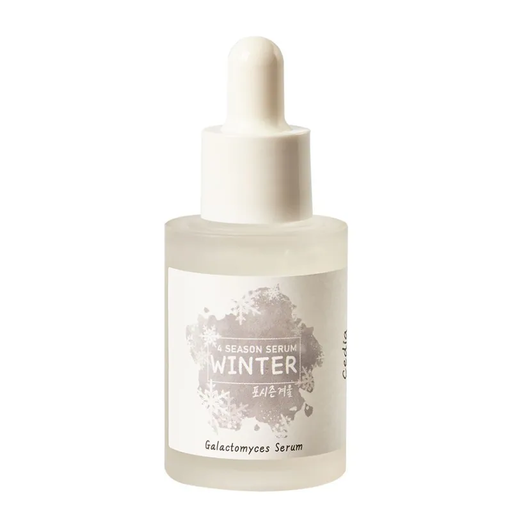
Why it suits this profile: This lightweight essence is designed for morning and evening use, and layers easily under a moisturiser.
The product information describes a lightweight texture, easy dispensing and clear instructions on how often to use it. However, check whether fermented filtrate and witch hazel suit your skin.
30 ml; use morning and evening. The product description lists galactomyces ferment filtrate, niacinamide and glycerine.
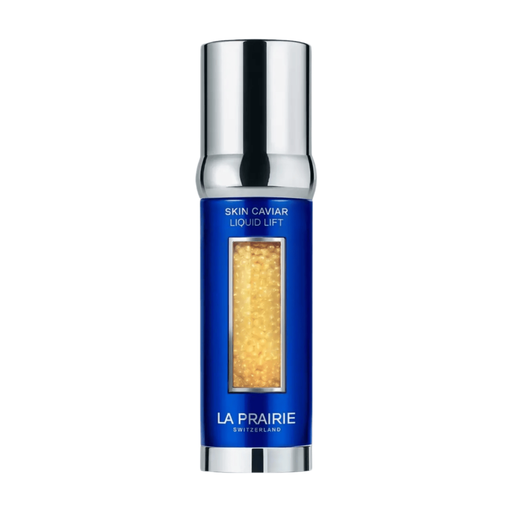
Why it suits this profile: Its gentle, silky texture and 50 ml size make it a good fit for anyone looking for a more comprehensive skincare routine.
The packaging describes an activation pump and a blend of caviar extract, peptides and sodium hyaluronate. Check the ingredients list and usage warnings before buying.
50 ml, with a liquid texture. Product details describe it as suitable for all skin types and intended for morning and evening use.
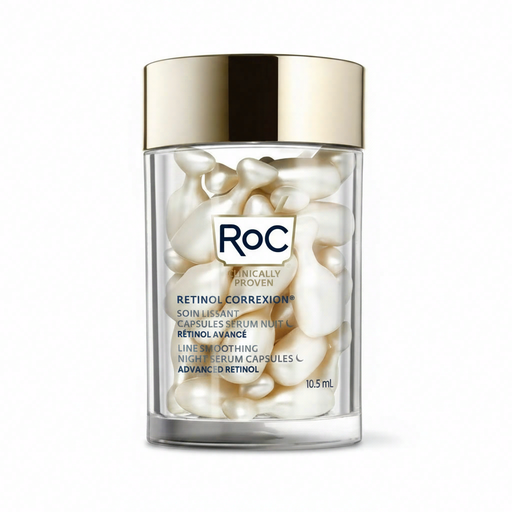
Why it suits this profile: The capsules provide a pre-measured dose and are designed for evening use on the face and neck.
The instructions recommend starting with alternate-day use, so you don’t apply it too often straight away. Use a cream with SPF during the day, as directed.
Retinol and ceramide NP are listed in the stated ingredients; the pack contains 10.5 ml in capsules for a pre-measured dose.
We’ve put together a complete, up-to-date list of products that meet these strict selection criteria and comply with current European safety regulations.
A hydrating serum can usually be used both morning and evening if the product instructions say so. Retinol serums are generally used in the evening and should be introduced gradually.
It depends on the size and how much you use. A 30 ml bottle often lasts longer with daily use than a 10.5 ml capsule pack. Follow the recommended amount and take the shelf life after opening into account, such as 6M or 12M.
This can work in some routines, but it’s not always practical to introduce both active ingredients at the same time. For example, use vitamin C in the morning and retinol in the evening, introduce them gradually and use sun protection during the day. Stop if irritation occurs.
Some products are described in their product details as a serum for all skin types, but that doesn’t guarantee they’ll suit your skin. Check for fragrance, alcohol and active ingredients, and test the product on a small area first if you have sensitive skin.
