
Vandaag of morgen in huis

Kwaliteit gegarandeerd

Welkomstaanbiedingen ontgrendelen: GRATIS bezorging | Tot 80% korting | Gratis 30 dagen JoyPlus-proefperiode
Download de app
Anyone looking for the best anti-ageing serum will usually want to tackle several skin concerns at once: fine lines, dryness, loss of firmness and a dull complexion. However, a high price or eye-catching claim does not guarantee that a serum will suit your skin. The right choice depends mainly on the ingredients, concentration, directions for use and your skin’s tolerance.
Words such as “lifting”, “collagen boost” and “glass skin” sound appealing, but they mean little on their own. Always check the ingredients list. A hyaluronic acid serum may mainly help bind moisture to the skin, whereas a retinol serum requires a more active approach. A peptide serum is generally worth considering if you are aiming for a smoother, firmer-looking skin surface.
Brands’ claims about visible results are not automatically independently proven. A brand’s own research may show that a certain percentage of users report an improvement, but that is not the same as a guarantee for every consumer.
A serum containing retinol, retinal, vitamin C, acids and exfoliating ingredients may seem appealing. In practice, layering them can lead to redness, tightness or irritation. So start with one active product and only introduce something new later.
Take extra care with retinol and retinal. It is best to use these ingredients in the evening, gradually build up the frequency and wear sunscreen during the day. Always follow the warnings on the packaging. Products containing retinoids are not recommended during pregnancy or breastfeeding unless advised otherwise by a doctor or another qualified healthcare professional.
A 30 ml bottle may seem good value, but a product that you apply generously every day will run out more quickly. Also consider the dosage. A pump bottle can be hygienic and practical, while a pipette gives you more control over the number of drops. Store serum away from direct sunlight and heat, as stated on the label.
Pay attention to the complete formula, not just one popular ingredient. Its position on the ingredients list indicates its relative presence, but does not always reveal the exact concentration.
A gel serum often feels lightweight and works well for normal or combination skin. A richer lotion or oil-based formula may feel more comfortable on dry or mature skin. If you have sensitive skin, choose a simpler formula without much fragrance and test a small amount on a limited area of skin first.
Ingredients that are sensitive to light and air benefit from suitable packaging. Check the expiry date, batch information and the period after opening. Storage can be particularly important for a vitamin C serum with a high concentration. Vitamin C23, for example, states that it should be stored in a refrigerator and used within two months of opening to preserve the active ingredients, according to the product information.
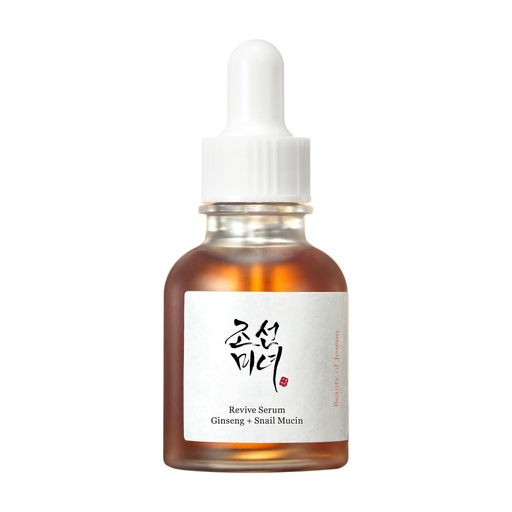
Why it suits this profile: The gel texture and combination of ginseng, snail mucin, glycerine and hyaluronic acid are suitable for anyone looking for a simple hydrating serum without retinol.
The ingredients list is publicly available, and the product information clearly states that it is intended to hydrate and firm the skin, without retinoids.
30 ml, pump bottle, gel texture and several forms of hyaluronic acid listed among the ingredients.
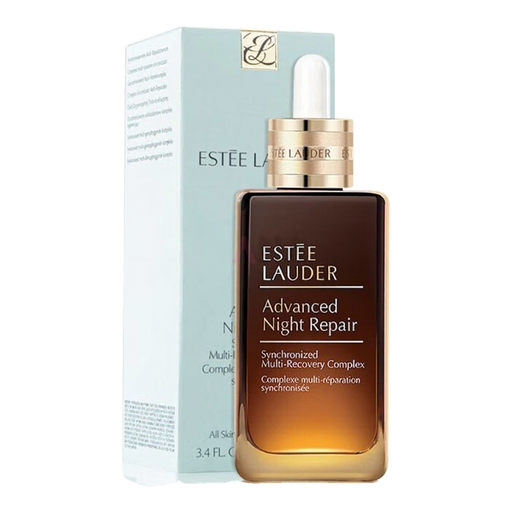
Why it suits this profile: The generous size and formula containing bifida ferment lysate, glycerine, sodium hyaluronate and tripeptide-32 are well suited to a consistent morning and evening routine.
The product information specifies the skin type, time of use and ingredients, allowing you to compare the formula rather than relying solely on brand claims.
100 ml volume, oil-free formula according to the product details, and stated suitability for all skin types.
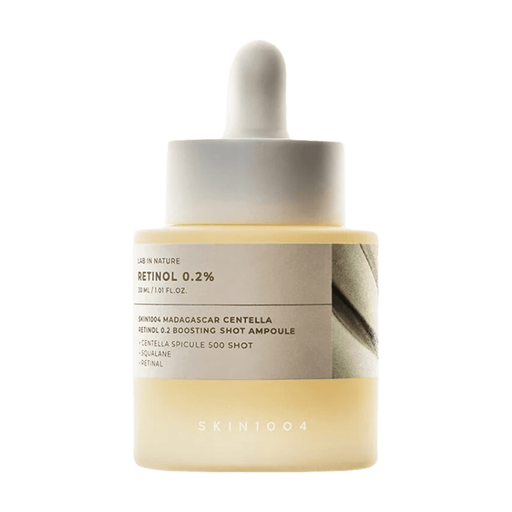
Why it suits this profile: This compact ampoule is aimed at users who want to introduce retinol and retinal carefully as part of an evening routine.
The directions recommend starting with two to three applications per week, carrying out a patch test and increasing use gradually. This helps prevent introducing it too quickly.
Contains retinol, retinal, sodium hyaluronate, panthenol and centella asiatica; 9 ml for targeted use.
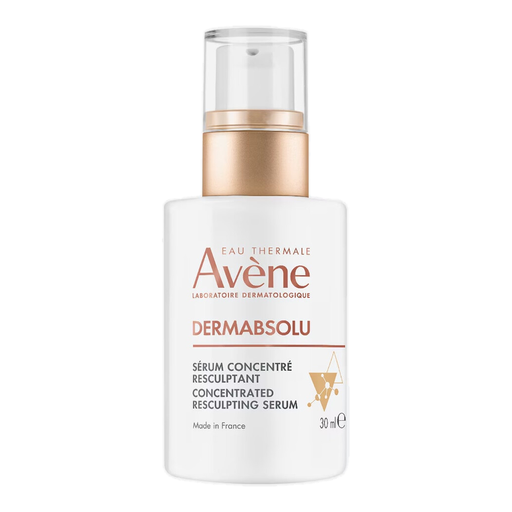
Why it suits this profile: According to the product details, the formula is intended for mature skin and can be used on the face, neck and décolletage.
The intended use, skin category and presence of hyaluronic acid are clearly stated. There is no retinol, which keeps the routine simpler.
30 ml, pump bottle, hyaluronic acid listed in the product details, and suitable for use on the face, neck and décolletage.
We have put together a complete, up-to-date list of products that fully meet these strict selection criteria and the applicable European safety regulations.
Apply a serum after cleansing and, if required, after toner, but before your day or night cream. Usually, one or two pumps or a few drops are enough; using more product does not automatically produce better results. Initially, use a retinol serum or retinal product on a few evenings per week. A simple hydrating serum can often be used in the morning and evening, provided the packaging says this is suitable.
During the day, use a sunscreen with an appropriate SPF, especially when using retinoids or a concentrated vitamin C product. Stop using the product if you experience persistent redness, itching, swelling or a burning sensation, and seek medical advice if necessary.
That depends on your skin type and tolerance. A peptide serum, niacinamide formula or hydrating serum may suit an everyday routine. Retinol and retinal are more active options, but require gradual introduction and sun protection. Always check the ingredients and usage warnings.
With daily use and a small amount, 30 ml will often last from several weeks to a few months. The actual duration varies depending on the dosage, frequency and whether you apply it only to your face or to your neck as well. Make a note of the opening date and follow the period-after-opening guidance on the packaging.
No. Compare the volume, ingredients, concentrations where stated, packaging and frequency of use. An affordable serum containing glycerine and hyaluronic acid may provide sufficient hydration, while someone else may deliberately choose a formula with retinol, peptides or ceramides. The best value for money is personal and based on suitability, not price alone.
