
Vandaag of morgen in huis

Kwaliteit gegarandeerd

Welkomstaanbiedingen ontgrendelen: GRATIS bezorging | Tot 80% korting | Gratis 30 dagen JoyPlus-proefperiode
Download de app
Fine lines, a dull complexion, pigmentation or dehydrated skin do not all require the same anti-ageing serum. Yet many products appear similar because of the bold claims on their packaging. A smart choice therefore starts not with the promise, but with the ingredients, concentration, directions for use and shelf life.
A product with a high percentage of vitamin C, niacinamide, retinol or retinal may be appealing, but it can also feel more intense. Sensitive skin in particular may react to too many active ingredients at once. So do not just look at the percentage; also check the recommended build-up frequency and any warnings.
Terms such as ‘collagen-boosting’, ‘rejuvenating’ or ‘instantly reduces wrinkles’ are not a personal guarantee of results. A brand’s own research may have measured certain improvements, but the outcome varies depending on your skin, routine and length of use. Assess a serum based on verifiable information, such as the ingredients list, volume and usage instructions.
Combining a retinal serum, retinol serum and vitamin C serum without a plan can make your skin feel uncomfortable. A serum for pigmentation containing niacinamide or tranexamic acid may also not work well alongside several strong actives in one routine. Start with one new product, test a small amount and build up gradually.
Active formulas can be sensitive to light, heat and air. For Vitamin C23, the product information states that the serum should be stored in the refrigerator and preferably used within two months of opening. This is a practical point to consider: a small bottle is not necessarily a disadvantage if you use the product up quickly.
Always check the expiry date and the period after opening on the packaging. A pump bottle may be more hygienic to use than a jar, but the specific packaging varies by product. The ANUA serum states a shelf life of 12 months after opening.
Retinal and retinol are generally used in the evening. celimax’s product information advises starting with use every other evening and applying only a small amount. During the day, sunscreen with at least SPF 30 is an important part of your routine when using retinoids or certain vitamin C formulas.
Avoid contact with the eyes unless the product is specifically intended for the eye area. Stop using the product if you experience redness, burning or swelling. During pregnancy or breastfeeding, carefully follow the warnings on the label of products containing retinol or retinal and consult a healthcare professional if necessary.
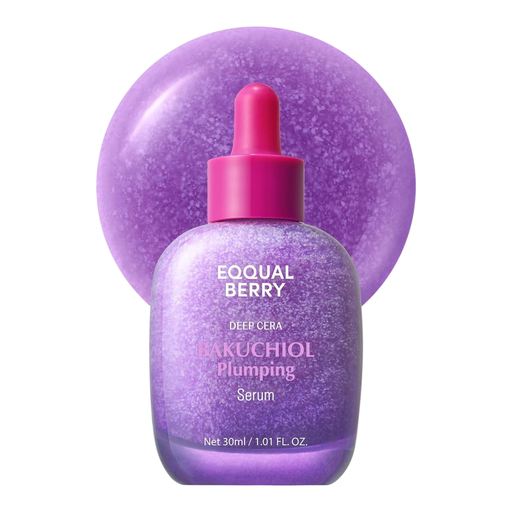
Why it suits this profile: An accessible choice for anyone wanting to try bakuchiol without starting with a retinol serum. According to the product description, the formula is suitable for all skin types.
The product information specifies 5000 ppm bakuchiol and 4% niacinamide, so you do not have to rely solely on a general ‘anti-ageing’ claim.
5000 ppm bakuchiol, 4% niacinamide and five types of micro-encapsulated ceramides, according to the product description.
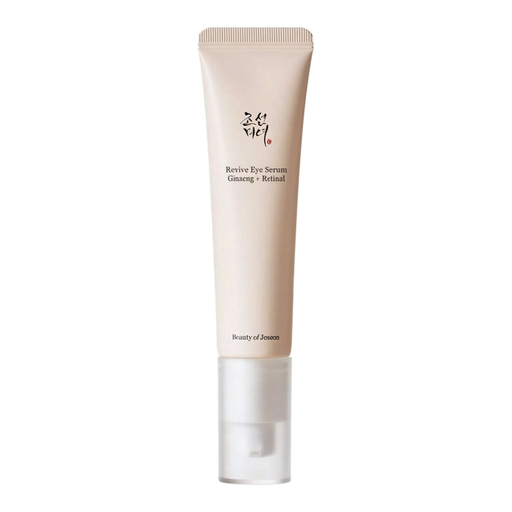
Why it suits this profile: Suitable for anyone looking for a Korean skincare serum that can be used both around the eyes and on the face, according to the product information.
The ingredients list includes retinal, niacinamide, ceramide NP and sodium hyaluronate. This makes it clearer which caring ingredients are present than with a product that makes only a general wrinkle-related claim.
30 ml volume, ginseng extract and retinal, according to the product details; can be used as an eye serum for wrinkles or as a face serum.
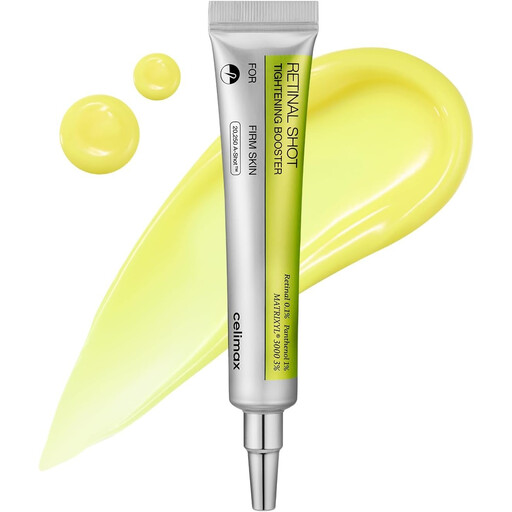
Why it suits this profile: For users who want to use retinal in a targeted way and are prepared to follow an evening routine with a low starting frequency and sun protection.
The directions advise starting every other evening for the first two weeks and not using too much product. This helps prevent overuse.
Contains 0.1% pure retinal and 3% Matrixyl 3000, according to the product description; the bottle contains 15 ml.
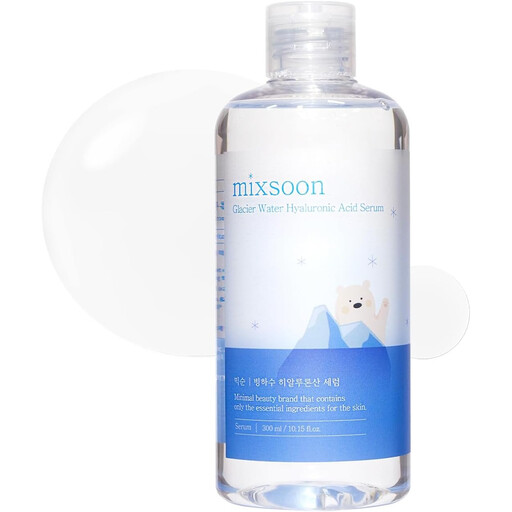
Why it suits this profile: A practical option when tightness and dryness matter more than a strong retinoid. The generous volume makes it suitable for daily use.
The product description mentions three molecular weights of hyaluronic acid. However, check whether you also use a cream to help keep moisture comfortably in your routine.
300 ml volume and a formula containing high-, medium- and low-molecular-weight hyaluronic acid, according to the product information.
We have put together a complete, up-to-date list of products that fully meet these strict selection criteria and the applicable European safety regulations.
It is best to choose one active ingredient and start with a low frequency of use. A bakuchiol serum may be suitable if you want to avoid retinol. If hydration is your main concern, a hyaluronic acid serum is easier to incorporate into your routine. A patch test is still advisable, even when a product is described as suitable for all skin types.
This varies depending on the formula and packaging. Check the symbol on the packaging and the product information. Some vitamin C serums, for example, need to be stored in the refrigerator and used up quickly, while other products state a longer period after opening. Close the bottle properly and store it as directed.
Sometimes, but it is not necessary to use all the actives at the same time. Start with one serum and add a second only later. Retinal or retinol is generally used in the evening and vitamin C often in the morning, depending on the label. If irritation occurs, reduce the frequency or stop using the product.
