
Vandaag of morgen in huis

Kwaliteit gegarandeerd

Welkomstaanbiedingen ontgrendelen: GRATIS bezorging | Tot 80% korting | Gratis 30 dagen JoyPlus-proefperiode
Download de app
An anti-ageing serum can be a useful addition to your daily skincare routine, but there is a lot of choice. Products often promise a firmer-looking appearance, less visible fine lines or long-lasting hydration. However, a striking claim means little if you do not look at the ingredients, concentration, volume and instructions for use.
In the Netherlands in particular, three familiar pitfalls regularly cause problems:
First, decide what you want to support in your daily routine: hydration, smoother skin texture, a firmer-looking appearance or care for mature skin. A hydrating serum, for example, often contains glycerine, hyaluronic acid or sodium hyaluronate. These ingredients help the skin’s surface retain moisture. This does not mean that they medically treat or permanently remove wrinkles.
A firming serum often contains peptides, niacinamide, adenosine or plant extracts. Always check the full ingredients list. If an ingredient features prominently in the product name but appears much lower down the list, its concentration is not necessarily clear.
A peptide serum may suit anyone looking for a lightweight formula for daily use. With a hyaluronic acid serum, the texture is particularly relevant: some formulas feel watery, while others leave a fuller or smoother layer on the skin.
With retinol products, it is important that the percentage is stated. The Some By Mi Retinol Intense Reactivating Serum, for example, states 0.1% retinol and also contains retinal and bakuchiol. The SKIN1004 Madagascar Centella Retinol 0.2 Boosting Shot Ampoule lists retinol and retinal, but has a smaller volume of 9 ml.
Use a retinol serum or retinal product preferably in the evening. Start with a small amount and use it infrequently. For these formulas, the product information recommends, among other things, a patch test, gradual introduction and daily use of sun protection. Do not use retinol on irritated or damaged skin. During pregnancy or breastfeeding, it is advisable to follow the product warning and consult a doctor if in doubt.
A pump bottle limits contact with air and fingers. A pipette can be convenient for a concentrated formula, but requires careful closing and storage. Also check:
A Korean skincare serum formula is not automatically suitable for every skin type. Even with popular Korean products, a patch test is still advisable, especially if you have sensitive or dehydrated skin.
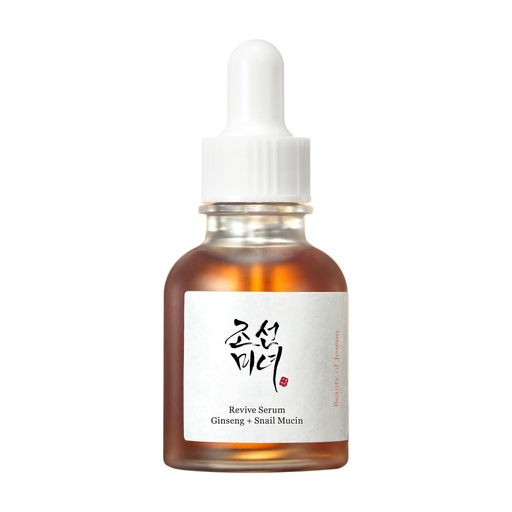
Why it suits this profile: The gel texture and pump bottle make it easy to use. According to the product information, it is suitable for dry, normal and combination skin.
The product description lists specific ingredients, including 3% snail mucin filtrate, ginseng root water, glycerine and hyaluronic acid. This makes it easier to assess its focus on hydration and a firmer-looking appearance.
30 ml volume; gel formula; pump packaging; according to the product details, alcohol-free and vegan.
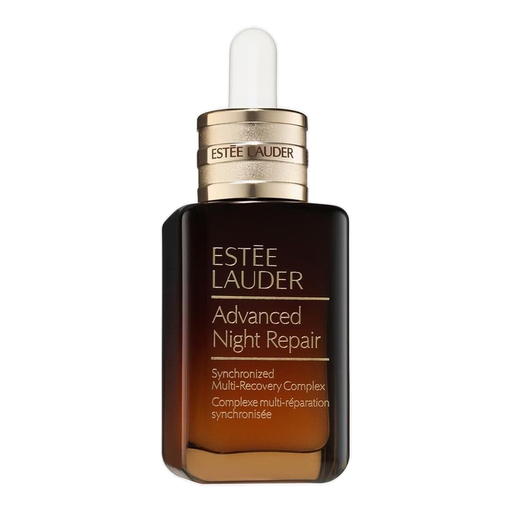
Why it suits this profile: According to the product details, this serum is suitable for all skin types and can be used in the morning and evening before moisturiser.
The ingredients list includes bifida ferment lysate, sodium hyaluronate, glycerine, squalane and a peptide, among others. However, always check the current packaging, as formulations may change.
30 ml volume; listed as an oil-free product; suitable for all skin types according to the available product specifications.
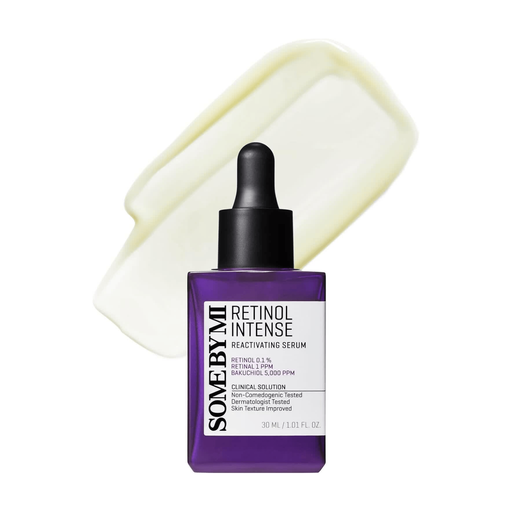
Why it suits this profile: This is suitable for users who deliberately want to incorporate a retinol, retinal and bakuchiol formula into an evening routine with gradual introduction.
The formula states 0.1% retinol and provides clear warnings about patch testing, sun protection and gradual introduction. Do not combine it casually with other strong acids or retinol products.
30 ml volume; retinol, retinal and bakuchiol in one formula; according to the product details, also contains panthenol, ceramide NP and beta-glucan.
We have put together a complete, up-to-date list of products that fully meet these strict selection criteria and the applicable European safety regulations.
Apply a serum to cleansed skin, usually after toner and before moisturiser. Always follow the product packaging, as the recommended amount varies from one formula to another.
A vitamin C serum such as Vitamin C23 states 23% ascorbic acid and gives specific storage advice. The product information advises against combining it with retinol or copper peptides in the same routine. Details like these matter more than a general promise on the front of the packaging.
A serum can temporarily make the skin look smoother, softer or better hydrated. Brands also often describe it as supporting elasticity or a firmer-looking appearance. According to the brand’s own research, such results may be visible, but these claims are not automatically the same for every user. A serum is not a substitute for medical treatment.
This depends on the shelf life, the period after opening and the storage conditions. Check the packaging and look out for changes in smell, colour or texture. With vitamin C, the product information may state a shorter period of use after opening. Close the bottle securely after every use.
For sensitive skin, a simple hydrating formula without strong active ingredients may be a sensible starting point. A serum for mature skin containing peptides, glycerine or hyaluronic acid may be more suitable if you are mainly looking for hydration and comfort. Retinol and retinal require greater care: start with infrequent use, apply a small amount and carry out a patch test first.
