
Vandaag of morgen in huis

Kwaliteit gegarandeerd

Welkomstaanbiedingen ontgrendelen: GRATIS bezorging | Tot 80% korting | Gratis 30 dagen JoyPlus-proefperiode
Download de app
Fine lines, dryness and a loss of firmness develop gradually. An anti-ageing serum can be a targeted addition to your daily skincare routine, but not every product suits every skin type or routine. Marketing terms such as “lifting”, “collagen boost” and “instant rejuvenation” don’t tell you much about the formula on their own.
So focus on the ingredients list, instructions for use and suitability for your skin. This can help you avoid spending money on an expensive serum that irritates your skin, doesn’t provide enough hydration or ends up unused in your cupboard.
A serum with lots of peptides, extracts and technologies may sound appealing, but more ingredients don’t automatically mean a product is better suited to you. Start by looking at the basics:
According to brands’ own information, these ingredients may contribute to certain cosmetic effects. This doesn’t guarantee the same results for everyone.
Retinol and retinal aren’t the same as a simple hydrating serum. They can make your skin more sensitive and, if introduced too quickly, may cause dryness, redness or tightness. Start by using the product infrequently, apply a small amount and use sun protection during the day.
According to its product description, a product containing retinal, such as a retinal shot, is intended for evening use and should be introduced gradually. Don’t use active ingredients on irritated or damaged skin, and always follow the label.
A serum with SPF can offer some protection, but you may not apply enough to provide full sun protection. That’s why a separate broad-spectrum sunscreen remains important when you’re out in the sun. This is especially true if you use retinol, retinal or exfoliating acids.
First, decide what you want to address. For dry or tight-feeling skin, a hydrating serum with glycerin, panthenol, betaine or sodium hyaluronate may be a better fit than a strongly exfoliating formula. If you’re mainly looking to address a loss of firmness and fine lines, consider a peptide serum or firming serum.
A serum for mature skin often contains several supportive ingredients, but check that you like the texture and can use the product every day. Consistent use is more practical than an intensive formula that you have to stop using after a few days.
A retinol serum or retinal product should be introduced gradually. Use a moisturiser as well to support skin comfort. Don’t immediately combine several potent active products, such as retinoids and acids.
For an eye serum for wrinkles, check that it has been developed specifically for the eye area. Don’t apply it too close to the lash line, and avoid direct contact with your eyes.
If you have sensitive skin, look for claims such as fragrance-free, dermatologically tested or suitable for sensitive skin. This information describes how the product is positioned; it doesn’t mean irritation is impossible. It’s still a good idea to do a patch test.
Check the size too. A 30 ml bottle and a 150 ml booster aren’t directly comparable. A pump bottle or airless packaging can also help limit contact with air and fingers. Always check the current ingredients list, expiry date and instructions on the packaging.
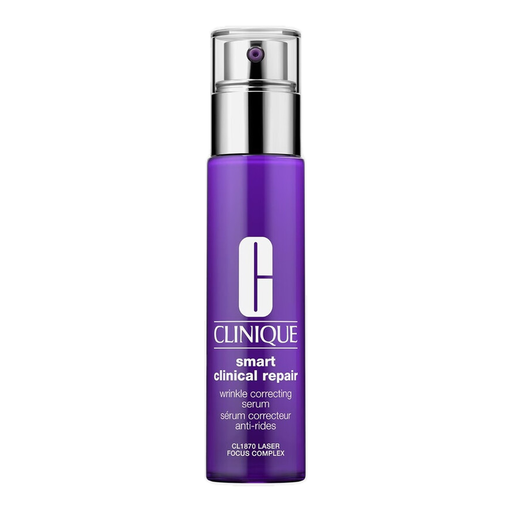
Why it suits this profile: If you value a clearly stated focus on mature and sensitive skin, this fragrance-free formula is designed for the face and neck.
The product information states that it is fragrance free and non-comedogenic. This makes it easier to narrow down your options if you want to avoid fragrance in your facial skincare.
30 ml; fragrance-free; contains peptides and hyaluronic acid according to the product description.
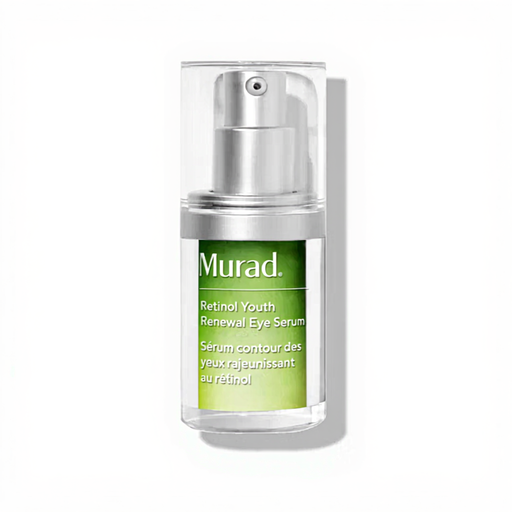
Why it suits this profile: This targeted eye serum for wrinkles is for anyone who wants to care for the eye area separately rather than apply the same serum everywhere.
According to the product description, it is fragrance free and contains time-release retinol technology. Even so, introduce it gradually and follow the warnings on the packaging.
15 ml; designed for the eye area; contains retinol, peptides and hyaluronic acid according to the product description.
We’ve put together a complete, up-to-date list of products that meet these strict selection criteria and the applicable European safety regulations.
An anti-ageing serum can make your skin look temporarily smoother and better hydrated. According to brands’ own information, certain ingredients, such as peptides, retinoids and hyaluronic acid, may contribute to a formula’s cosmetic aims. Don’t expect wrinkles to disappear permanently. Results vary depending on your skin type, how often you use the product and the product itself.
You may notice hydration and a smoother feel relatively quickly. Changes in the appearance of fine lines or skin texture usually take longer and require consistent use. Follow the recommended introduction schedule, stop if irritation persists and give a product enough regular use before judging the results.
You can, but don’t combine several active ingredients without checking first. A hydrating serum with hyaluronic acid can often be used alongside a peptide serum. Take more care with retinol, retinal and acids. Introduce one new product at a time, use sun protection during the day and follow the instructions on the label.
