
Vandaag of morgen in huis

Kwaliteit gegarandeerd

Welkomstaanbiedingen ontgrendelen: GRATIS bezorging | Tot 80% korting | Gratis 30 dagen JoyPlus-proefperiode
Download de app
Fine lines, a tight feeling, loss of firmness and a dull appearance do not all call for the same product. Yet many serums are sold with broad promises such as “lifting”, “glow” or “instant anti-ageing”. If you rely on such terms alone, you could end up with an expensive bottle that does not suit your skin or routine.
As a Joybuy Product Recommendation Officer, I filter the most important product information down to practical points. This helps you see which features can be checked and which marketing claims should be viewed with a degree of caution.
A statement such as 10% Matrixyl, 0,1% retinal or 23% vitamin C may sound clear, but the percentage does not tell you how the complete formula feels or how often you can use the product. Packaging, stability, additional ingredients and directions for use also play a part.
A potent active ingredient is therefore not automatically suitable for daily use. A retinol serum or retinal serum in particular requires a gradual introduction.
A collagen serum may hydrate the skin or give the surface a plumper feel, according to the product description. That does not automatically mean that the product replenishes collagen deep within the skin. So check the full ingredients list and look for additional substances such as glycerine, hyaluronic acid, ceramides or niacinamide.
Using more drops does not demonstrably speed up a cosmetic result. With active formulas, it may instead cause redness, a burning sensation or flaking. Always check the warnings on the packaging, carry out a patch test and do not introduce several potent actives at the same time.
Start by choosing one main priority:
According to the brands’ own product information, peptides are intended to make the skin look smoother or firmer. This is a cosmetic product claim, not a medical effect. Also check whether fragrance, alcohol or exfoliating ingredients could be a concern for your skin.
A watery serum often works well under a cream and sun protection. An oil serum may feel more comfortable on dry skin, but could feel heavier under make-up. A milky formula sits somewhere in between.
The usual order is: cleanse, toner if desired, serum, moisturiser and sun protection during the day. A serum for mature skin does not have to feel heavy; comfort and regular use are at least as important as the number of active ingredients.
Pay attention to:
When using retinoids, daily sun protection is important. Some product descriptions advise against combining retinol or retinal with acids or other strong actives. If in doubt, follow the instructions on the packaging and seek advice from a doctor or dermatologist if you have a specific skin condition.
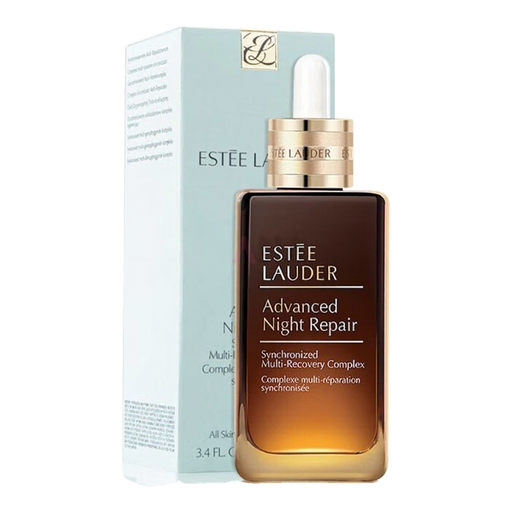
Why it suits this profile: The large size and versatile focus on hydration make this an appealing option if you are looking for one reliable serum for your face and neck.
The formula includes bifida ferment lysate, glycerine, sodium hyaluronate and a peptide, among other ingredients. The product claim regarding fine lines comes from the brand and is not a guarantee of the same result for every user.
100 ml size; oil-free formula according to the product information; intended for all skin types.
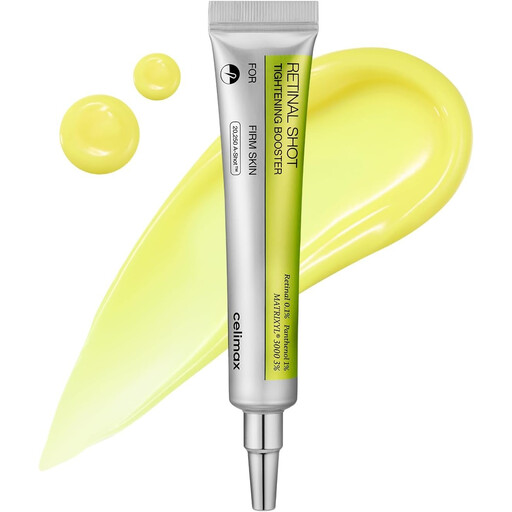
Why it suits this profile: This is aimed at users who consciously want to try retinal and are prepared to build up the frequency gradually.
The product information states that it contains 0,1% pure retinal, should be used every other evening at first and is intended for evening use. This makes the intensity and approach clearer.
0,1% retinal; 3% Matrixyl 3000 according to the product description; 15 ml size. Sun protection during the day is required according to the usage information.
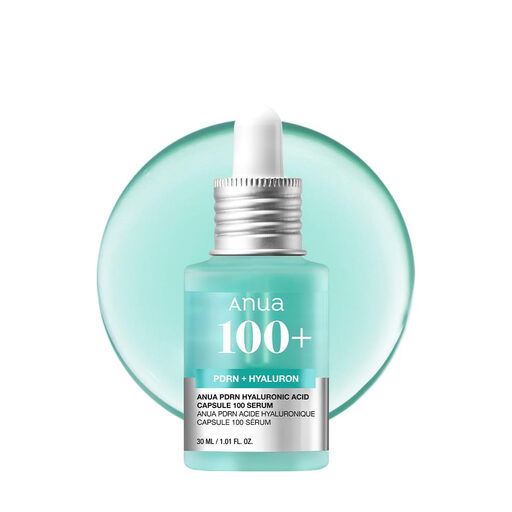
Why it suits this profile: Its straightforward focus on moisture and flexible use make it a good fit if you are mainly looking for a hydrating serum for tight-feeling skin.
The ingredients list includes glycerine and butylene glycol, among other ingredients. At the same time, the description warns against contact with the eyes and open wounds, and recommends a patch test before use.
30 ml size; daily use after toner; according to the product information, the formula can be applied in multiple layers.
We have put together a complete, up-to-date list of products that fully meet these strict selection criteria and the applicable European safety regulations.
Start with a small amount on clean skin. If you have sensitive skin, use it once or twice a week at first and only increase the frequency if your skin remains comfortable. Apply a moisturiser afterwards. During the day, sun protection should be part of any routine involving retinol, retinal or a high concentration of vitamin C.
Do not immediately combine several active serums. Using a peptide serum in the morning and a retinol serum in the evening may be easier to manage than applying everything at once. Give a product enough time to assess its texture, hydration and comfort. Take photos in comparable conditions if you want to track the cosmetic effect.
That depends on your skin type and tolerance. Peptides, retinol and retinal are often used in products designed to make the skin look smoother. Hydrating ingredients such as glycerine and hyaluronic acid can make fine lines look less visible when dehydrated skin appears plumper.
This varies depending on the size and dosage. A 30 ml bottle will generally last longer with daily use than a 15 ml product, but the number of drops used per application also makes a difference. Check the shelf life after opening and follow the storage advice on the packaging.
Sometimes, but introduce products gradually. It is best not to combine retinol or retinal with other strong actives without a clear reason. If irritation occurs, stop using the new product and give your skin time to recover. If symptoms persist, seeking professional medical advice is recommended.
