
Vandaag of morgen in huis

Kwaliteit gegarandeerd

Welkomstaanbiedingen ontgrendelen: GRATIS bezorging | Tot 80% korting | Gratis 30 dagen JoyPlus-proefperiode
Download de app
An anti-ageing face serum can help dry, dull or tired-looking skin feel more comfortable and smooth. However, an expensive product isn’t automatically the right choice. Marketing claims, potent active ingredients and unclear instructions can all lead to a disappointing purchase, particularly if you have mature or sensitive skin.
So don’t focus only on phrases such as “lifting”, “youthful glow” or “instant results”. Check the ingredients list, the skin type information and how you’re meant to use the product.
Brands sometimes use percentages, short timeframes or terms such as “clinically tested”. These only tell you something if it’s clear how the test was carried out, how many people took part and exactly what result was measured. For example, NIVEA’s own research on its Cellular Epigenetics Serum mentions improvements in hydration, elasticity and wrinkle volume, among other things. These are brand-reported results, not a guarantee for your skin.
A cosmetic serum may affect the appearance of dehydration lines or a dull complexion, but it isn’t a substitute for medical treatment.
A serum with retinol or retinal may appeal if you want to target fine lines and skin texture. However, retinol can cause sensitivity, redness or a tight feeling. Start by using it less frequently, preferably in the evening, and apply sun protection during the day. SKIN1004’s product label also says not to use its retinol and retinal product during pregnancy or while breastfeeding without advice from a healthcare professional.
A hydrating face serum with hyaluronic acid can make your skin feel plumper and more supple. That’s different from a product focused mainly on skin texture or firmness. A serum for skin elasticity often contains peptides, niacinamide or other skincare ingredients. So first, think about which skin concern you want to address.
A lightweight, watery formula often feels comfortable on normal, combination or oily skin. A richer formula with glycerine, oils, squalane or shea butter may be a better fit for dry skin. If your skin is sensitive, it’s worth checking carefully for fragrance and a long list of potentially irritating ingredients.
Also look out for practical features such as fragrance-free, alcohol-free, non-comedogenic and a pump dispenser. These features don’t guarantee a problem-free experience with every product, but they can make it easier to compare your options.
A 20 to 30 ml serum may seem small, but a few drops or one to two pumps per application may be enough. Always follow the packaging for dosage, storage temperature and how long the product can be used after opening. Don’t use a product if its smell, colour or texture has noticeably changed.
Apply a new serum to a small patch of skin first. Stop using it if irritation persists. Use sun protection during the day if you’re using a retinol serum or exfoliating ingredients.
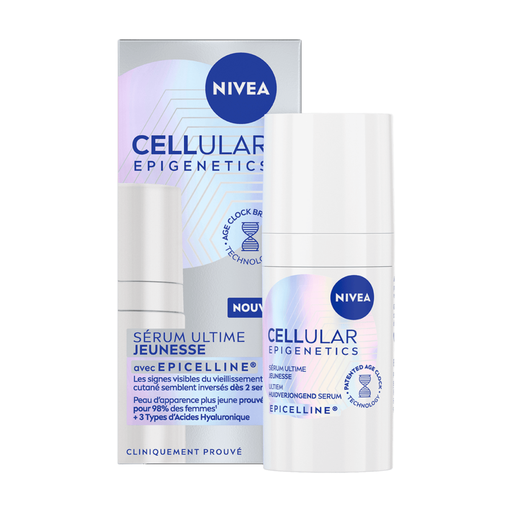
Why it suits this profile: The formula is designed for daily use in the morning and evening and contains three types of hyaluronic acid. That makes it an accessible option if you’re mainly looking for hydration and a plumper-feeling complexion.
You don’t have to start with retinol or acids straight away. Do check the brand’s claims and test the formula on a small area of skin first.
30 ml, three types of hyaluronic acid and suitable for all skin types according to the product information.
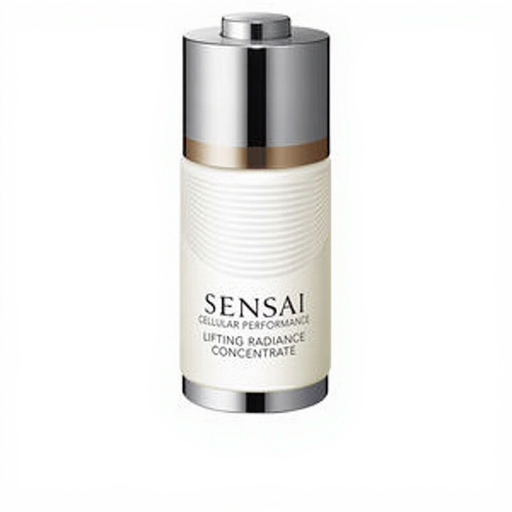
Why it suits this profile: This essence is designed to leave skin looking cared for and radiant. It contains glycerine, sodium hyaluronate, niacinamide and silk protein, among other ingredients.
The ingredients list is available, so you can take alcohol and fragrance into account when making your personal choice.
40 ml, suitable for all skin types according to the product details, and designed for day and night use.
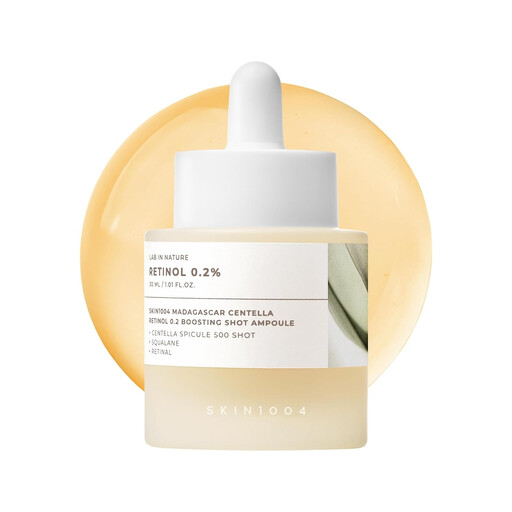
Why it suits this profile: The formula contains 0.2% retinol, retinal, sodium hyaluronate and centella. Its step-by-step instructions suit users who want to build up their routine carefully.
The label recommends patch testing, starting with two to three applications a week and using it in the evening. This helps you avoid increasing use too quickly.
30 ml, with 0.2% retinol and retinal in one formula, plus clear warnings about sun exposure and irritation.
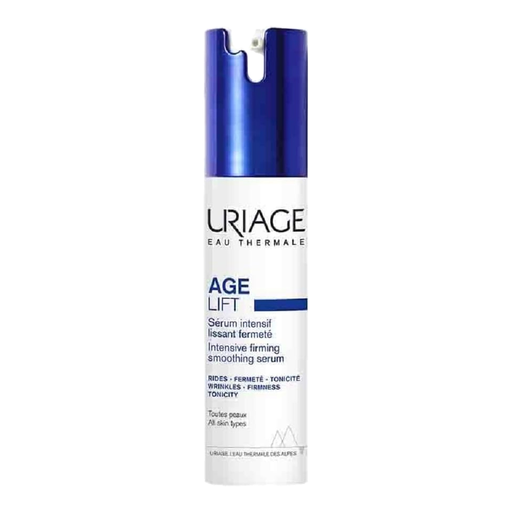
Why it suits this profile: This firming serum combines retinol, hyaluronic acid and AHA. According to the product information, it’s suitable for dry, sensitive and normal skin.
The formula is described as alcohol-free and non-comedogenic. As retinol and AHA are active ingredients, it’s still sensible to introduce them gradually.
30 ml, combining retinol, AHA and hyaluronic acid; according to the product details, it’s suitable for use in the morning and evening.
We’ve put together a complete, up-to-date list of products that meet these strict selection criteria and the applicable European safety requirements.
Cleanse your face, apply a small amount of serum and finish with a moisturiser. If you’re new to retinol serum, start by using it two to three evenings a week. A hydrating face serum with hyaluronic acid can usually be used more easily in the morning and evening, provided the product information says this is suitable.
Check the expiry date and the period-after-opening symbol on the packaging. Many cosmetics, for example, state that they can be used for 12 months after opening, but this varies by product. Store your serum in a cool, dry place away from direct sunlight. Retinol formulas are particularly sensitive to light and air, so close the packaging straight after use.
The price depends on the size, brand, dispenser and formula. Don’t compare the purchase price alone: consider the number of millilitres and the recommended amount to use as well. A 30 ml serum that you use sparingly may be more practical than a larger bottle with a high recommended daily dose. Above all, choose a formula that suits your skin type and routine, so you’re more likely to use it consistently.
