
Vandaag of morgen in huis

Kwaliteit gegarandeerd

Welkomstaanbiedingen ontgrendelen: GRATIS bezorging | Tot 80% korting | Gratis 30 dagen JoyPlus-proefperiode
Download de app
Choosing an anti-ageing face serum can seem straightforward. However, serums vary widely in their ingredients, how often they should be used, their texture and whether they’re suitable for sensitive skin. A high price doesn’t automatically mean a product is right for you, and a long ingredients list alone says little about the results you can expect.
Look out for these three common pitfalls:
When choosing an anti-wrinkle face serum, start with what you want it to do. Don’t just look at the name on the front of the pack; check the formula and the directions for use too.
A retinol serum contains a vitamin A derivative. Retinal is a related form that should also be introduced gradually. Products containing these ingredients are generally recommended for your evening routine. For example, start by using one twice a week, and increase the frequency only if your skin tolerates it well.
Use sunscreen during the day. If you’re pregnant or breastfeeding, it’s best not to use a product containing retinol or retinal without speaking to a doctor. Always follow the warnings on the packaging.
A bakuchiol serum is an option if you’re looking for a retinol-free product. Brands often position bakuchiol as an alternative to retinol, but the effects and tolerance aren’t directly comparable. NIVEA, for example, describes bakuchiol as a gentle, plant-based option for different skin types. Check the full formula, though: NIVEA Cellular Expert Lift Bakuchiol Face Serum also contains fragrance and denatured alcohol.
A peptide serum may suit you if you’re mainly looking to give your skin a firmer, smoother appearance. Hyaluronic acid, glycerine and panthenol can help keep skin feeling hydrated and comfortable. A firming serum and a hydrating serum can therefore serve different purposes, but no cosmetic product can permanently change your skin’s structure.
Check the active ingredients and concentrations
The stated concentration can be useful when comparing retinol products. For example, Some By Mi lists 0.1% retinol in its product information. SKIN1004 lists retinol and retinal, while celimax describes a retinal serum containing 0.1% retinal. A higher concentration isn’t automatically a better choice; tolerance and consistent use matter more.
Check the directions for use
Some serums are intended for morning and evening use, while others are for evening use only. Products containing retinoids usually need to be introduced gradually. Formulas with spicules or micro-spicules may cause a tingling sensation. Don’t use these products on broken or irritated skin, and don’t combine them with exfoliating acids without checking first.
Consider fragrance, alcohol and your skin type
If you’re looking for a serum for sensitive skin, a short ingredients list, a patch test and using the product less frequently are practical things to consider. “Suitable for all skin types” is a brand’s product claim, not a guarantee that it will suit everyone. Stop using the product if you experience persistent redness, itching or swelling.
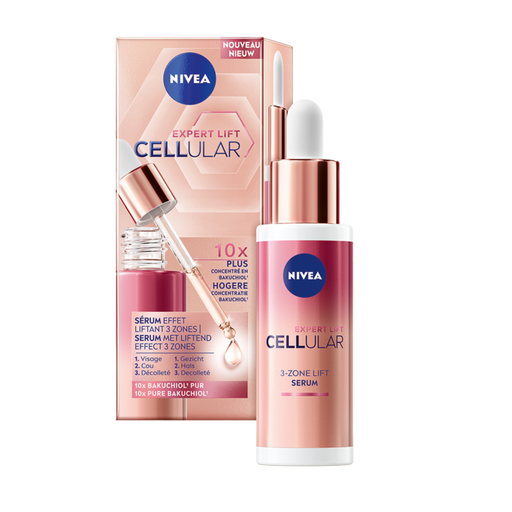
Why it suits this profile: A 30 ml serum containing bakuchiol and sodium hyaluronate, for anyone looking to start a daily routine for the face, neck and décolletage without using retinol.
The ingredients list clearly shows that the product contains bakuchiol, as well as denatured alcohol and fragrance. This makes it easier to decide in advance whether it’s likely to suit your sensitive skin.
Bakuchiol, glycerine and sodium hyaluronate; designed for use in the morning and evening.
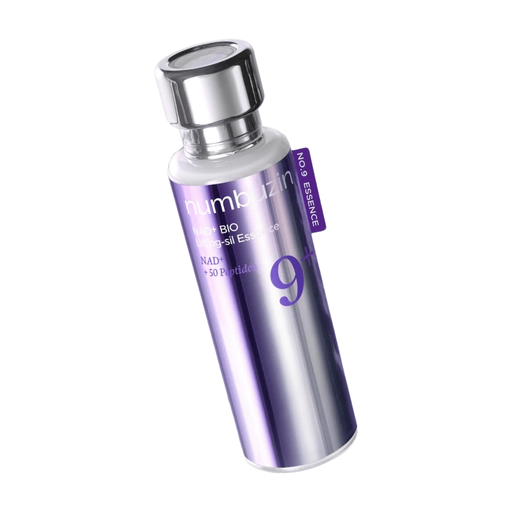
Why it suits this profile: This 50 ml Korean essence combines niacinamide, sodium hyaluronate, adenosine and several peptides, making it a good option if you’re looking for a more comprehensive formula.
The full ingredients list is clearly shown, so you don’t have to rely solely on terms such as NAD or lifting. A patch test is recommended if you have sensitive skin.
50 ml; fragrance-free formula according to the product information; contains peptides and hydrating ingredients.
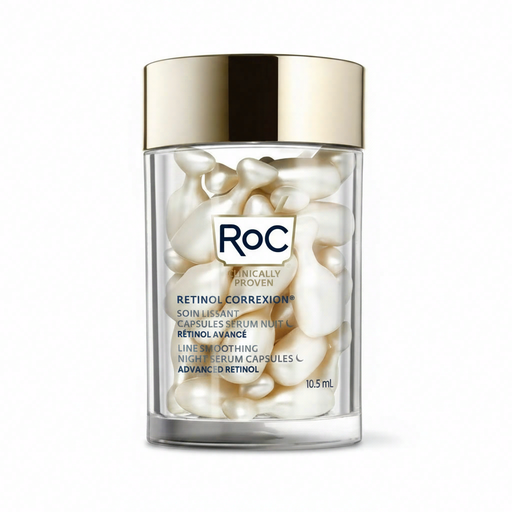
Why it suits this profile: The 10.5 ml capsules are handy if you want to control how much you use each time and already have experience with retinol.
The directions recommend starting with use every other day. This helps you avoid applying a retinol serum daily straight away, before your skin has had time to adjust.
Retinol, ceramide NP and soybean oil; according to the product information, the capsules are biodegradable.
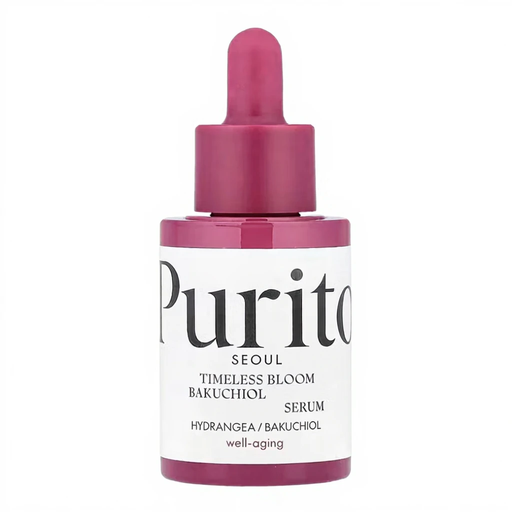
Why it suits this profile: According to the product information, this Korean skincare serum contains 10,000 ppm bakuchiol and is designed for dry, oily, combination and sensitive skin.
The product information recommends a patch test and applying it to unbroken skin. This makes it easier to introduce into your routine than simply starting daily use without checking first.
30 ml; bakuchiol, glycerine, betaine and allantoin; according to the product instructions, use in the morning and evening.
We’ve put together a complete, up-to-date list of products that meet these strict selection criteria and comply with current European safety regulations.
Start by focusing on comfort and hydration with ingredients such as glycerine, hyaluronic acid, panthenol or ceramides. If you’d also like to use a retinol serum, introduce it gradually and apply a moisturiser over the top. A serum for mature skin doesn’t have to be strong; regular use without irritation is more practical.
It depends on the formula. Bakuchiol serums are often designed for daily use, while retinol and retinal products are usually introduced with two applications a week. Follow the instructions on the packaging and reduce how often you use the product if irritation occurs.
Check the expiry date, batch information and any period-after-opening guidance on the packaging. Store your serum somewhere cool and out of direct sunlight. This is especially important for retinoids, which can be sensitive to light and heat. Don’t use a product if its smell, colour or texture has noticeably changed.
