
Vandaag of morgen in huis

Kwaliteit gegarandeerd

Welkomstaanbiedingen ontgrendelen: GRATIS bezorging | Tot 80% korting | Gratis 30 dagen JoyPlus-proefperiode
Download de app
An anti-ageing face mask can temporarily make dry skin feel more comfortable and leave your complexion looking smoother, plumper or fresher. However, not every mask suits every routine. The difference often lies not in the flashy terms on the packaging, but in the formula, the fit and how you use the product.
If you’re specifically looking for a firming face mask, collagen face mask or face mask for wrinkles, it’s worth steering clear of three common pitfalls.
Words like “lifting”, “rejuvenating” and “collagen” sound appealing, but they don’t automatically tell you how much of an effect you’ll notice. A mask can hydrate the skin, making fine lines temporarily less visible. That’s quite different from a lasting change to wrinkles or facial contours.
So, always check the full ingredients list, the recommended usage time and the product format. Also, verify whether any efficacy claims come from the brand itself. For example, according to the brand’s own research, a test with 20 women reported improvements in elasticity, firmness and radiance. Such a claim doesn’t automatically apply to every user.
A rich overnight mask can feel lovely on dry skin, but may feel too heavy on oilier skin. A sheet mask with perfume or fragrances might be less suitable if your skin reacts to them. Look out for ingredients like glycerine, hyaluronic acid, ceramides, squalane and niacinamide when hydration and comfort are your priorities.
If you’re mainly looking to improve texture, pay extra attention to exfoliating ingredients and follow the usage instructions. Don’t just combine several intensive treatments on the same evening.
Leaving a sheet mask on for longer than advised isn’t automatically better. Some hydrogel masks can be left on for several hours or turn transparent as they release essence. Other masks are designed for 10 to 20 minutes. Using them for too long can cause a tight feeling or irritation.
Always read the packaging, check the expiry information and carry out a patch test when trying a new product. Don’t use a mask on damaged or irritated skin.
For a hydrating face mask, moisturising ingredients such as glycerine, betaine and hyaluronic acid are especially relevant. A formula with squalane or dimethicone can help lock in moisture more comfortably.
With a face mask for elasticity, you’ll often see collagen, peptides, adenosine and ceramides. These ingredients don’t just shape the marketing positioning; they also influence the texture and how the mask feels on the skin. According to product descriptions from various brands, they are intended to give a plumper, smoother or firmer appearance. Treat this as product information, not a medical promise.
Don’t just compare the price of a box. Look at the number of sheets, the content per mask and the recommended frequency of use. A pack of 10 masks can be more cost-effective for weekly use, while a set of a few hydrogel masks is better suited to occasional self-care.
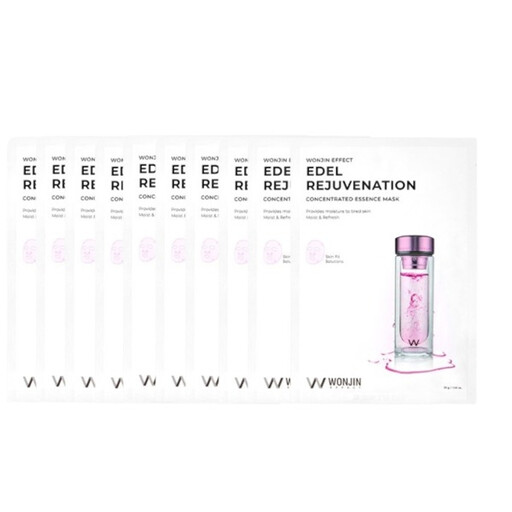
Why it fits the profile: The pack contains 10 individual 30 g sheets. This makes it easy to build a regular weekly Korean skincare routine without committing to a long-term overnight treatment straight away.
The clear usage time of 15-20 minutes prevents you from leaving the sheet mask on unnecessarily long.
10 individual masks, 30 g of essence each and a usage time suited to a short treatment.
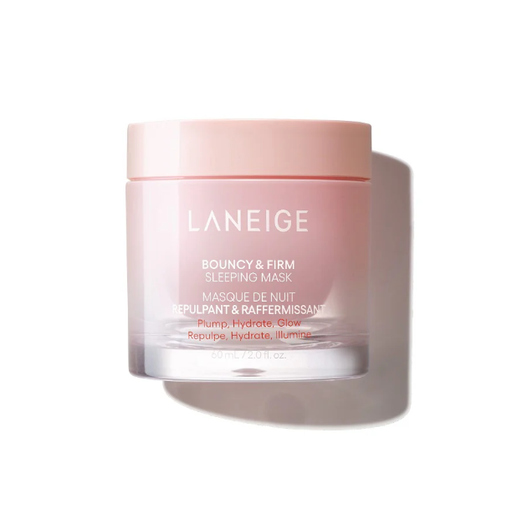
Why it fits the profile: This overnight mask is designed as the last step in your evening routine. The set contains two 60 ml pots and suits anyone wanting to schedule a richer sleeping mask as a weekly treatment.
The instructions are clear: apply to a clean face and neck, then gently rinse off in the morning.
Contains, among others, glycerine, squalane, hyaluronic acid and collagen according to the ingredients list; 2 x 60 ml.
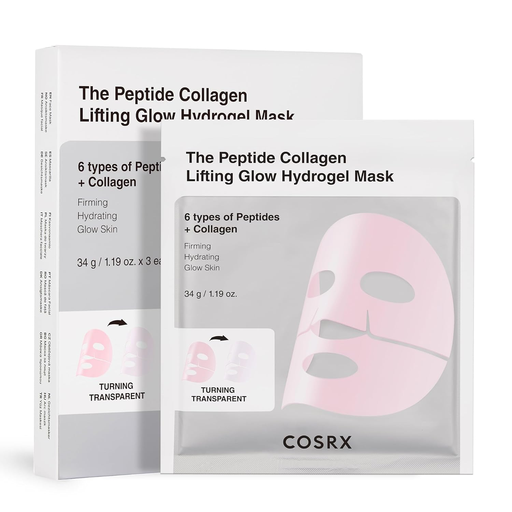
Why it fits the profile: The hydrogel mask is designed for longer wear: according to the product instructions, 2-3 hours, or even overnight. That suits an intensive routine for a planned self-care moment.
The transparent texture and stated wear time give clear signals for when to remove it. A patch test is strongly advised.
3 masks of 34 g each with peptides, collagen, hyaluronic acid and multiple ceramides in the ingredients list.
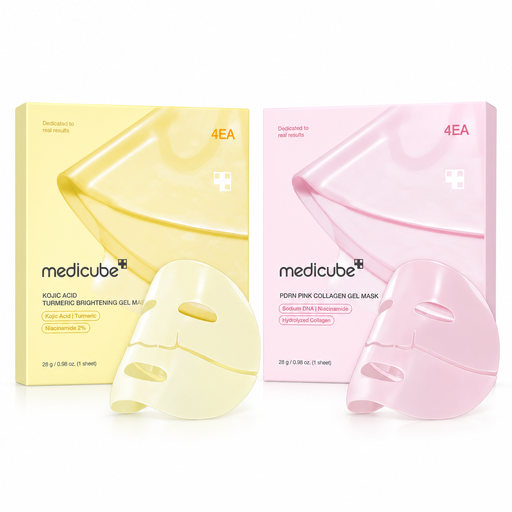
Why it fits the profile: The set contains two types of gel masks: four with kojic acid, turmeric and niacinamide for a dull complexion, and four with PDRN and collagen for hydration and a firmer appearance.
You don’t need to buy a separate box for every skin concern. The two variants allow you to alternate within a single set.
8 gel masks in total; two clearly described usage goals: radiance and hydration/firmness.
We’ve put together a full, up-to-date list of products that fully meet these strict selection criteria and comply with current European safety regulations.
That depends on the formula and the instructions on the packaging. A gentle sheet mask, for example, can be used several times a week, while a rich overnight mask is better suited to a weekly treatment. Stop if you experience redness, itching, a burning sensation or any other irritation.
Not automatically. Collagen in a mask can contribute to a comfortable, hydrated feeling on the skin, but the full formula determines whether the product is right for you. Check for perfume, alcohol, preservatives and other ingredients if your skin reacts quickly. A patch test on a small area of the body is a sensible first step.
A sheet mask is soaked in essence and is usually removed after 10 to 20 minutes. An overnight mask is a gel or cream layer that you apply as the last step and rinse off later. Choose a sheet mask for a quick treatment and a sleeping mask when you want to schedule a more intensive moment in your evening routine.
