
Vandaag of morgen in huis

Kwaliteit gegarandeerd

Welkomstaanbiedingen ontgrendelen: GRATIS bezorging | Tot 80% korting | Gratis 30 dagen JoyPlus-proefperiode
Download de app
Buying an anti-ageing face cream sounds simple, until you have to choose between hydrating, firming and lifting formulas. A high price or promising packaging says little about whether a product is right for your skin. Particularly from the age of 35 onwards, dryness, dullness, reduced firmness and visible lines can all appear at the same time. The right choice therefore starts not with the promise on the front of the pack, but with the formula, texture and intended use.
Words such as “lifting”, “collagen” and “wrinkle filler” sound convincing. However, it is important to distinguish between a cosmetic effect, such as skin that feels smoother or plumper, and a medical result. According to a brand’s own research, certain percentages or visible improvements may apply to a specific test group and period of use. They do not automatically apply to every user.
So check the ingredients list, instructions for use and skin type information. A cream containing hyaluronic acid can leave your skin feeling more comfortable and hydrated, but it is not a substitute for medical treatment.
Creams for dry and sensitive skin often contain emollient ingredients such as glycerine, shea butter, oils or squalane. This can feel pleasant when your skin feels tight, but a heavy texture may be less suitable for oily or combination skin.
Conversely, a lightweight gel cream may not provide enough comfort when the skin barrier feels dry or weakened. So pay attention to the texture: gel, cream, powder cream or a richer balm-like formula.
An SPF 30 face cream can be practical for everyday use. However, the level of protection depends on applying enough product and reapplying it during prolonged exposure, swimming or perspiring. Also check that the cream actually displays an SPF classification on the packaging. An anti-ageing day cream without SPF is not a substitute for a separate sunscreen.
For dry, mature or sensitive skin, glycerine, hyaluronic acid, panthenol, ceramide NP and squalane are relevant ingredients to look out for. They can help your skin feel comfortable and retain moisture. A face cream with hyaluronic acid is particularly worth considering when fine dehydration lines and a tight feeling are the main concerns.
Ceramides and nourishing oils are suitable for a routine where skin barrier comfort is important. If you have sensitive skin, also check for perfume and fragrance ingredients. “Dermatologically tested” does not mean that a product will be irritation-free for everyone. Test a new formula on a small area of skin first and stop using it if irritation occurs.
Not every anti-ageing face cream has the same focus:
A 50 ml jar is common, but a pump bottle or tube generally limits direct contact with the formula. Check the recommended use: some creams are intended for morning use, while others are for morning and evening. The period after opening and the current ingredients list are shown on the packaging. This information may change from one batch to another and should be treated as definitive.
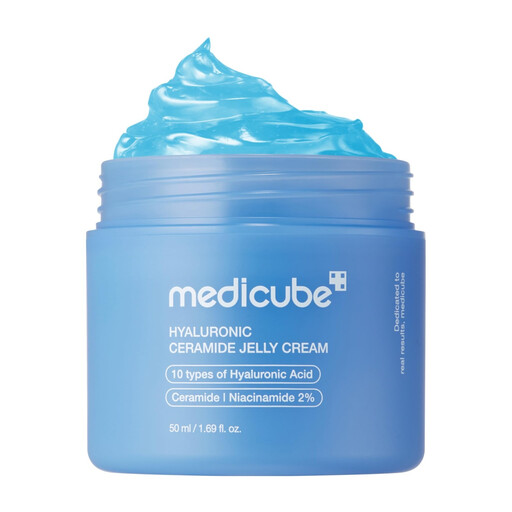
Why it suits this profile: The lightweight jelly texture is an accessible choice for anyone looking for their first hydrating face cream without wanting a heavy layer.
The product description specifically mentions hyaluronic acid, ceramide NP, niacinamide and squalane, rather than making only a general anti-ageing claim.
50 ml, gel cream texture and ingredients for hydration and barrier care.
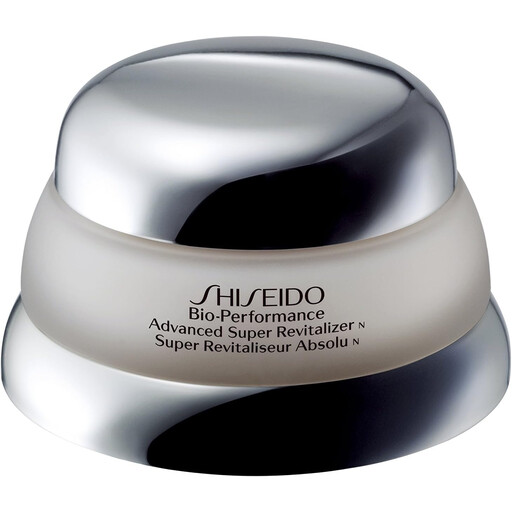
Why it suits this profile: A good choice for anyone looking for a more luxurious face cream and placing particular value on the brand, presentation and a pampering skincare routine.
The product page states the product type and 50 ml volume. Also check the current packaging for ingredients and instructions for use.
Luxury formula positioning, 50 ml and suitable as a targeted skincare step.
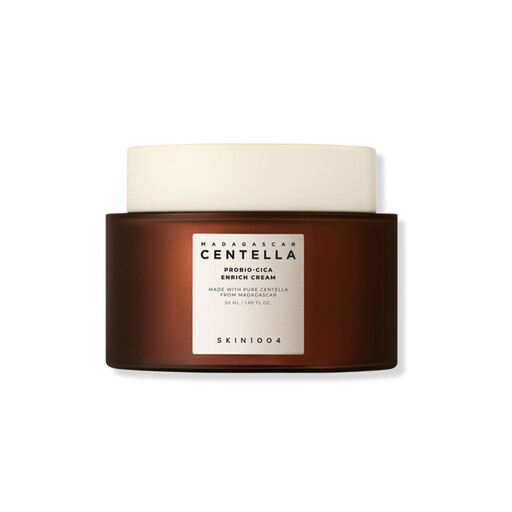
Why it suits this profile: The concentrated formula is designed for dry and sensitive skin that needs richer, barrier-focused care.
The description specifies ceramide NP, fermented Centella Asiatica and seed oils. According to the product information, the formula has been dermatologically tested.
50 ml, vegan according to the product information, with a soothing, rich texture.
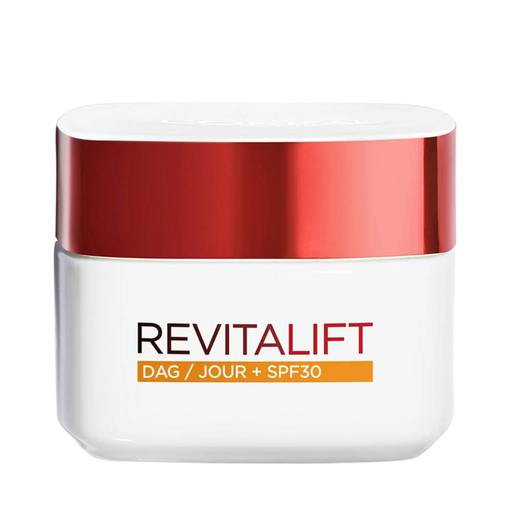
Why it suits this profile: Handy for anyone who wants to combine an anti-wrinkle day cream with SPF 30 in a single morning step.
The SPF 30 is clearly stated in the product name. Apply the cream generously and follow the instructions on the packaging; in strong sunlight, additional sunscreen may be needed.
Day cream for daytime use and SPF 30 according to the product listing.
We have put together a complete, up-to-date list of products that fully meet these strict selection criteria and the applicable European safety regulations.
Choose a formula with a short, easy-to-understand ingredients list and look out for perfume, alcohol and known fragrance ingredients. Ceramides, glycerine, panthenol and squalane may suit a routine for dry or sensitive skin. “Suitable for sensitive skin” remains a product claim, so always check the packaging and patch test carefully.
Shelf life varies from product to product. Check the date, the period-after-opening symbol and the instructions on the packaging. Store the cream in a cool, dry place away from direct sunlight. A change in smell, colour or texture is a reason to stop using the product.
No. The price may be linked to brand positioning, packaging, texture and ingredients, but it does not guarantee a particular result. Compare the volume, frequency of use, skin type, SPF and ingredients. This allows you to choose an anti-ageing face cream based on verifiable features rather than advertising claims alone.
