
Vandaag of morgen in huis

Kwaliteit gegarandeerd

Welkomstaanbiedingen ontgrendelen: GRATIS bezorging | Tot 80% korting | Gratis 30 dagen JoyPlus-proefperiode
Download de app
Choosing an anti-ageing face cream may seem simple, but products vary considerably in texture, ingredients, sun protection and price. An expensive jar is not automatically suitable for dry or sensitive skin. Likewise, a cream that promises to work “against wrinkles” may in practice mainly hydrate the skin and leave it feeling temporarily smoother.
For mature skin, three things are important: a formula suited to your skin type, clear product information and a routine you can maintain every day. Below, you can read what to look for in an anti-wrinkle cream, face cream for mature skin or firming face cream.
Brands use terms such as “lifting”, “collagen boost” and “cell renewal”. These are not guarantees for every user. According to Estée Lauder’s own research, for example, 95% of participants said their skin felt firmer when using the Revitalizing Supreme+ cream. This is brand research, not a universal result.
Therefore, focus on what can be objectively checked:
A face cream with SPF can be convenient for everyday use, but SPF 15 or SPF 30 does not mean you can stay in the sun indefinitely. Also check the stated UVA and UVB protection and follow the instructions on the packaging. For prolonged exposure, swimming or perspiring, a separate sun protection product may be more suitable.
Dry, mature skin may benefit from a nourishing cream containing ingredients such as glycerine, shea butter, squalane or hyaluronic acid. Normal or combination skin may find a lighter cream more comfortable. A heavy formula may feel less comfortable under make-up, while a cream that is too light can cause tightness on dry skin.
A cream with hyaluronic acid is particularly worth considering when dryness and a feeling of tightness are the main concerns. Hyaluronic acid helps retain moisture in the upper layers of the skin, but the results vary depending on the formula and your skin type. Combine a hydrating anti-ageing cream with gentle cleansing and apply the cream to clean skin.
Other common hydrating ingredients include:
Retinol is found in some anti-wrinkle creams, such as Uriage AGE LIFT. When using active ingredients, start with a low frequency of application and follow the brand’s instructions. If irritation occurs, it is wise to reduce use or stop altogether. A product containing bakuchiol, such as Avène DERMABSOLU, may be an alternative for anyone looking for a retinol-free formula, although skin reactions are personal in this case too.
If you have sensitive skin, look out for fragrance, alcohol and a long list of active ingredients. “Dermatologically tested” describes a product characteristic, but does not automatically mean that every sensitive skin type will tolerate the product without problems. Test a new cream on a small area of skin first.
A day cream for wrinkles often has a lighter texture and may contain SPF. A night cream for wrinkles is usually richer and designed to provide comfort and nourishment during your evening routine. NIVEA VITAL Anti-Wrinkle Repair Night Cream contains glycerine, shea butter, panthenol and plant oils, among other ingredients, and is intended for evening use.
Use a day cream with SPF according to the instructions on the packaging. A night cream generally does not contain sun protection and should therefore not be considered a substitute for a sun protection product.
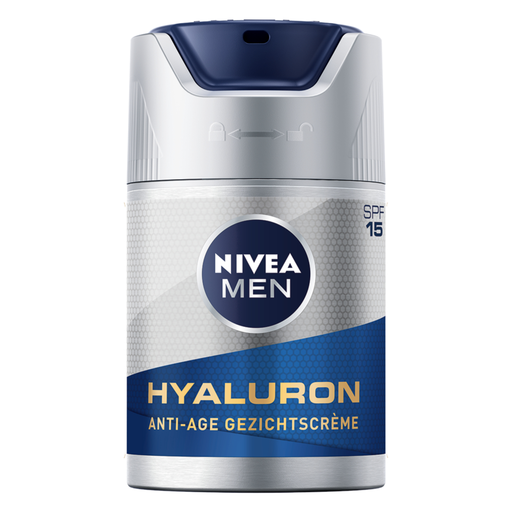
Why it suits this profile: This 50 ml face cream is designed for normal and mature skin and combines daily hydration with SPF 15 and hyaluronic acid.
The product information clearly states the skin type, SPF 15 and the presence of hyaluronic acid, so you do not have to rely as heavily on vague advertising claims.
50 ml size, a daily hydrating formula, hyaluronic acid and SPF 15.
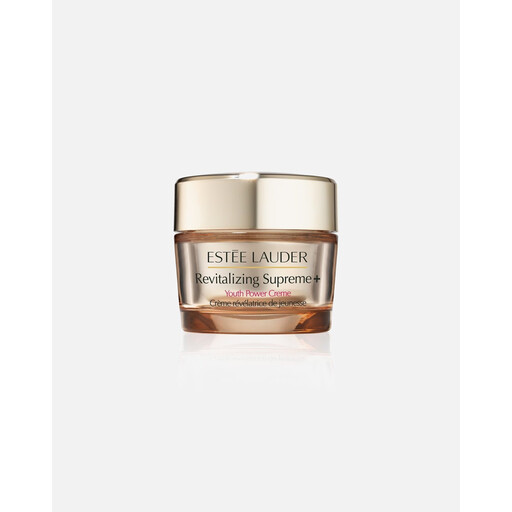
Why it suits this profile: The rich, multi-active formula is designed to support firmer-looking, hydrated and more radiant skin for anyone looking for a more comprehensive skincare product.
The product description lists specific ingredients, including hibiscus extract, moringa extract, cactus extract and hyaluronic acid. The brand’s results are clearly identified as findings from its own research.
75 ml size, a fast-absorbing cream according to the product description, and several hydrating ingredients.
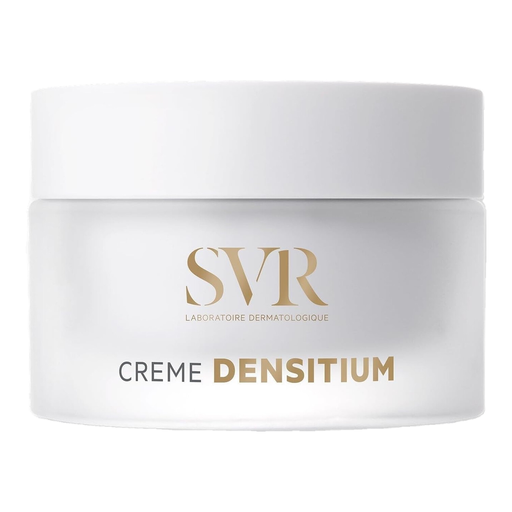
Why it suits this profile: According to the product information, this cream is designed for normal to dry, mature skin, addressing dryness, wrinkles and loss of firmness during hormonal changes.
The target audience and skin types are clearly specified. This makes it easier to see whether the cream is suitable for dry or menopausal skin, and when a lighter formula would make more sense.
Hyaluronic acid, amino acids and bio-calcium according to the product description; suitable for the face and neck.
We have put together a complete, up-to-date list of products that fully meet these strict selection criteria and the applicable European safety regulations.
For a cream for menopausal skin, comfort, hydration and a non-tight feeling are often practical considerations. Skin may feel drier or more sensitive during this stage. A richer formula is not automatically the right choice; also consider fragrance and the texture you prefer.
Look for hydrating and nourishing ingredients such as glycerine, hyaluronic acid, ceramides, shea butter and squalane. A richer cream may feel more comfortable, particularly in the evening. However, check that the formula does not feel too heavy under make-up.
That depends on the SPF and your exposure to sunlight. SPF 15 or SPF 30 in a day cream is a practical addition for everyday use, but always follow the instructions on the label. For prolonged exposure, separate sun protection is generally the wiser choice.
The expiry date is stated on the packaging. Also check the symbol showing the period after opening, such as 12M or 24M. Store the cream in a cool, dry place away from direct sunlight. If the smell, colour or texture changes, stop using the product.
