
Vandaag of morgen in huis

Kwaliteit gegarandeerd

Welkomstaanbiedingen ontgrendelen: GRATIS bezorging | Tot 80% korting | Gratis 30 dagen JoyPlus-proefperiode
Download de app
Buying an anti-ageing face cream may seem straightforward, but the wide range of options makes comparing products difficult. Firming face cream, anti-wrinkle cream, lifting face cream and Korean anti-ageing skincare often use similar terms, while the formulas can vary considerably.
For mature skin in particular, three pitfalls are important to keep in mind:
First, check the stated skin category. For a face cream for dry and sensitive skin, ingredients such as glycerine, hyaluronic acid, panthenol, shea butter, squalane and ceramides are useful to look for in the ingredients list. They indicate moisturising or caring properties, but do not guarantee an individual result.
A gel-cream such as Rilastil HYDROTENSEUR may be better suited to combination skin, as the product information describes a lightweight texture and mattifying effect. For dry skin, a richer cream such as ENDOCARE TENSAGE for normal to dry skin may feel more comfortable.
Also pay attention to fragrance and alcohol. A fragrance-free formula, such as the Weleda Blue Gentian & Edelweiss eye care product according to its product description, may be a practical choice if you prefer to avoid fragrance ingredients around the eyes. Always check the current packaging, as formulations may change.
A retinol cream is not the same as an ordinary moisturising anti-ageing cream. Retinol is a form of vitamin A that, according to the product information from and RoC, is used for visible signs such as fine lines and wrinkles. These are brand and product claims; they should not be interpreted as a guaranteed result for every user.
For beginners, a lower concentration such as The Retinol 0.1 Cream is a more sensible choice than starting straight away with a stronger product. The product instructions recommend starting with a small amount and initially using it a few times a week. According to the product information, The Retinol 0.3 Cream contains 0.3% retinol and therefore requires extra care when building up use and assessing skin tolerance.
Use retinol only as directed on the label, preferably in the evening. First test a small amount on a less visible area of skin. Use sun protection during the day and do not combine it casually with other retinol, AHA or BHA products. If irritation persists, stop using the product and seek medical advice.
A 50 ml jar may look appealing, but the cost per use depends on the amount applied each time and how frequently you use it. A pump bottle can be more hygienic and easier to dose than an open jar. Also check the PAO symbol — for example, 6M or 12M — and the expiry date on the packaging.
With a set such as the SK-II LXP Crystal Collection Experience Gift Box, the contents consist of 30 ml essence, 3 g eye cream and 8 g cream. This is useful for trying several steps, but the amount of cream is smaller than in a standard-sized product. So do not compare the price alone: also consider the total contents and the components of the routine.
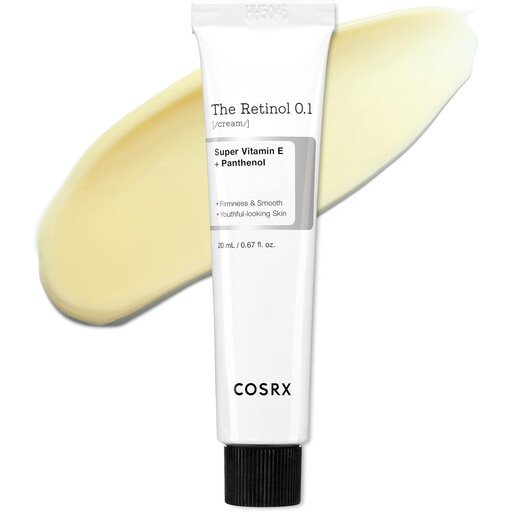
Why it suits this profile: The product information states that it contains 0.1% retinol and is aimed at beginners. The 20 ml tube is practical for gradually building up a retinol routine.
The lower retinol concentration and the recommendation to use it three times a week initially help prevent introducing it too quickly.
0.1% retinol, panthenol and vitamin E according to the ingredients list; suitable for the face and neck.
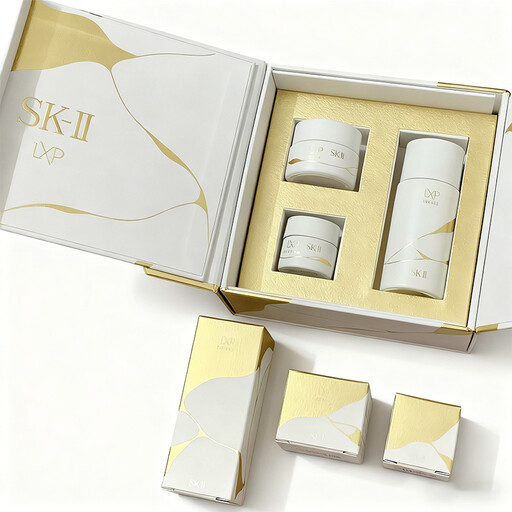
Why it suits this profile: This set combines essence, eye cream and face cream in one routine. It is ideal for anyone who wants to explore several steps of a more luxurious skincare regime.
The contents are clearly specified as 30 ml essence, 3 g eye cream and 8 g cream, allowing you to factor the smaller quantities into your purchase decision.
Gift set with three skincare steps; the product information states that it moisturises and cares for the face and eye contour.
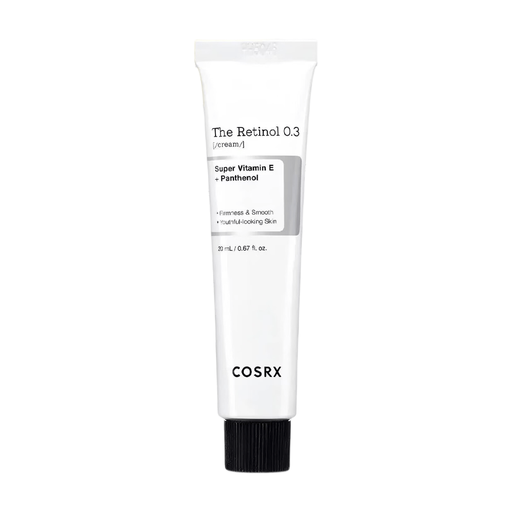
Why it suits this profile: For users who already have experience with retinol, 0.3% may be the next concentration according to the product information. Use still depends on individual tolerance.
The 0.3% concentration is stated explicitly. This allows you to distinguish the product from a milder retinol cream and adjust your routine accordingly.
0.3% retinol; also contains panthenol, adenosine and several forms of hyaluronic acid according to the ingredients list.
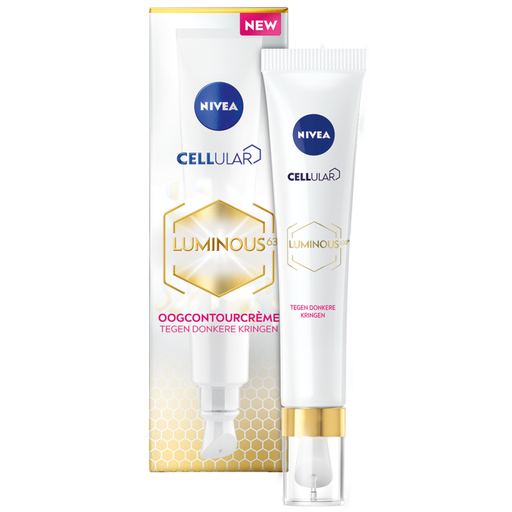
Why it suits this profile: This eye cream is designed for dark circles, puffiness and fine lines. According to the product information, the formula contains hyaluronic acid and caffeine.
You are using a product specifically formulated for the eye contour, rather than applying a heavy face cream too close to the eyes.
15 ml; contains hyaluronic acid and caffeine; dermatologically and ophthalmologically approved according to the product information.
We have compiled a complete, up-to-date list of products that fully meet these strict selection criteria and the applicable European safety regulations.
Cleanse your skin, then apply a serum or essence if desired. Next, apply the face cream to your face and neck. Retinol cream is generally used in the evening as directed on the label. During the day, sun protection should form part of any routine containing retinol or other active ingredients.
Check the expiry date and PAO symbol on the packaging. Once opened, the recommended period of use varies by product, for example 6 or 12 months. Store the cream in a cool, dry place away from direct sunlight and heat. If the smell, colour or texture changes significantly, stop using the product.
The price varies depending on the brand, contents, ingredients and packaging. Compare the price per millilitre and check whether you are buying a full-sized cream, a small set or an eye product. An affordable option is not automatically the right choice: your skin type, tolerance and everyday use all help determine whether your purchase is practical.
