
Vandaag of morgen in huis

Kwaliteit gegarandeerd

Welkomstaanbiedingen ontgrendelen: GRATIS bezorging | Tot 80% korting | Gratis 30 dagen JoyPlus-proefperiode
Download de app
Buying an anti-ageing face cream may seem straightforward, but the differences between products are not limited to brand and price. Some creams focus mainly on hydration, while others contain ingredients such as peptides, retinol, Q10 or plant extracts. Texture, fragrance and suitability for your skin type also determine whether a product is comfortable to use every day.
The biggest disappointments often arise from three common pitfalls:
A moisturising face cream for dry skin often contains humectants such as glycerine, hyaluronic acid or panthenol, supplemented with oils, shea butter or other lipids. A cream for normal or combination skin can be lighter. For oily or blemish-prone skin, a texture that is not too heavy and a limited amount of oil are often more practical.
Also consider when you will use it:
Peptides are common in a peptide cream and are often associated with firmness and elasticity. Check which peptides are actually listed in the ingredients. BIOHEAL, for example, lists 17 peptides. The claim that these ingredients boost collagen comes from the brand’s product information and should not be interpreted as a guaranteed effect.
Extra care is needed with a retinol cream. According to SOME BY MI’s product warning, retinol can increase sensitivity to sunlight. Introduce it gradually, use the product as directed and apply sun protection during the day. Anyone who is pregnant, breastfeeding or trying to conceive should consult a healthcare professional first, according to the supplied product information.
Q10, niacinamide, ceramides, squalane and hyaluronic acid are other commonly used ingredients. Their presence tells you something about the formula, but does not in itself determine the final result.
Do not compare the price alone; also check the volume. Many face creams contain 30, 50, 65, 80 or 100 ml. A pump bottle can be hygienic and make it easy to dispense the right amount, while a jar requires more contact with your fingers. Also check the shelf life after opening. Some products, for example, state 6M, 12 months or 24 months.
A lifting cream that you enjoy using is generally used more consistently than a product whose texture feels too greasy, sticky or strongly fragranced. Ease of use is therefore an objective purchasing criterion alongside ingredients and price.
The selection below is based on the stated volume, ingredients, skin type, time of use and product claims. Claims about performance are presented as information from the brand.
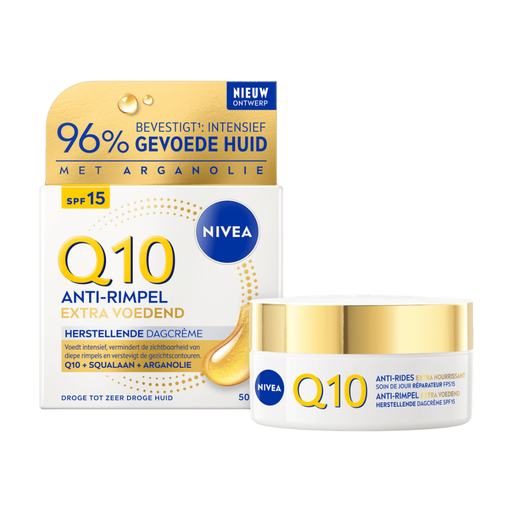
Why it suits this profile: This day cream is designed for dry to very dry skin and contains SPF 15, Q10, squalane and argan oil. Its familiar formula makes it an accessible choice as a first anti-ageing face cream.
The product information states the skin type, 50 ml volume and use as a day cream. The consumer results mentioned are clearly identified as brand research.
Q10, squalane, argan oil and SPF 15; rich texture for dry to very dry skin.
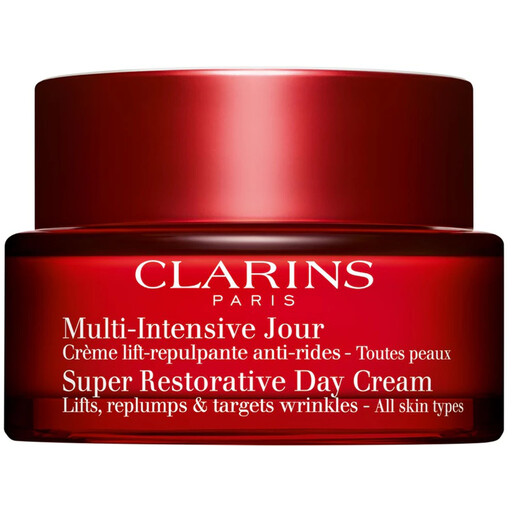
Why it suits this profile: This 50 ml day cream is intended for all skin types and has a rich, melting texture. The formula contains glycerine, squalane, shea butter and plant extracts, among other ingredients.
The product specifications state when to use it, the skin type, volume and ingredients. Bear fragrance in mind if your skin is sensitive to it.
Suitable for all skin types according to the product information; contains squalane, glycerine and sodium hyaluronate.
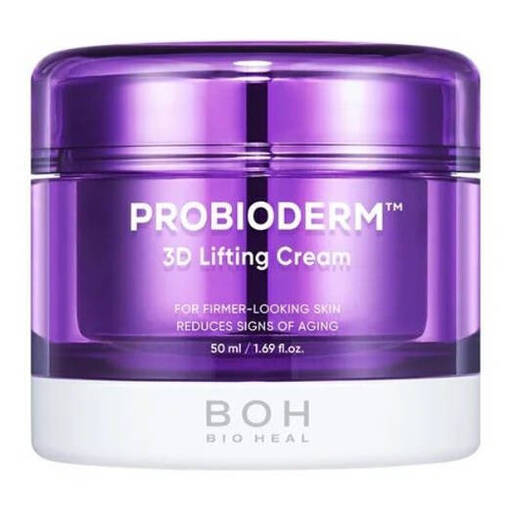
Why it suits this profile: The 50 ml pump bottle is designed for firming and hydration. The formula contains prebiotics, probiotics, postbiotics and 17 listed peptides.
The pump packaging helps with dispensing, and the full formula is listed. Claims about lifting and collagen come from the brand’s product description.
17 listed peptides; pump bottle; suitable for all skin types according to the product specifications.
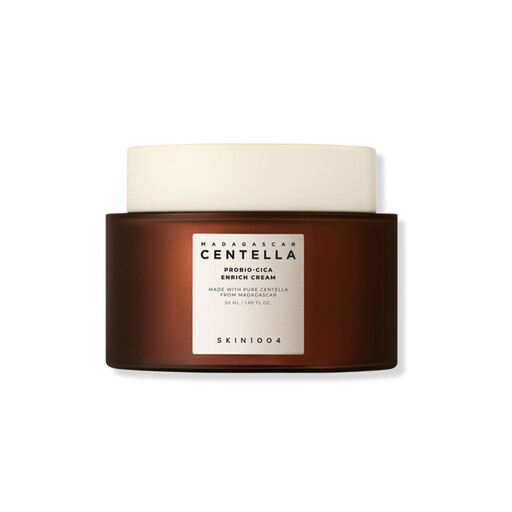
Why it suits this profile: This concentrated 50 ml cream contains fermented Centella Asiatica, ceramide NP, niacinamide and seed oils. According to the product information, it is suitable for all skin types, including sensitive skin.
The product information mentions dermatological testing and advises stopping use if irritation occurs. Nevertheless, check the ingredients list before use.
Ceramide NP, Centella Asiatica and niacinamide; vegan and cruelty-free according to the product information.
We have put together a complete, up-to-date list of products that fully meet these strict selection criteria and the applicable European safety regulations.
A cream can hydrate the skin, which may temporarily make fine lines look less visible. Brands associate ingredients such as peptides, retinol and Q10 with a firmer or smoother-looking appearance. This does not mean that every user will see the same result. Check the ingredients, usage instructions and evidence supporting the specific product claim.
This depends on the expiry information on the packaging and the period after opening. Products in this category may state 6M, 12 months or 24 months, for example. Make a note of the opening date and store the cream somewhere cool and dry, away from direct sunlight. Stop using it if its smell, colour or texture changes.
No. A higher price may be linked to brand positioning, packaging, texture or particular ingredients, but it does not guarantee better personal results. Compare the volume per millilitre, formula, skin type, fragrance and ease of use. A suitable cream for mature skin or cream for dry skin that you use consistently is often a more sensible choice than a product that does not feel comfortable.
