
Vandaag of morgen in huis

Kwaliteit gegarandeerd

Welkomstaanbiedingen ontgrendelen: GRATIS bezorging | Tot 80% korting | Gratis 30 dagen JoyPlus-proefperiode
Download de app
An anti-ageing face cream can help your skin feel more comfortable, smoother and better hydrated. However, a higher price or a well-known brand name doesn’t guarantee that a product will suit your skin. The wrong choice can leave mature, dry or sensitive skin feeling tight or irritated, or leave you with a jar you never use.
Words such as “lifting”, “collagen boost” and “skin rejuvenating” sound clear, but they don’t always tell you how much of an ingredient is present or how the product has been tested. For example, in Estée Lauder’s own research, some participants reported firmer-looking skin and less visible wrinkles when using Youth Power Cream. This is a brand claim, not a guarantee for every user.
Look for information you can verify:
A luxurious face cream with a rich texture can feel good on dry or mature skin. However, the same formula may feel heavy on normal, combination or oilier skin. A light cream or gel may be more practical, especially under make-up.
So don’t just look for “rich” or “intensive”. Check the recommended skin type and when to use it, too. A hydrating face cream isn’t automatically a suitable firming face cream for every skin type.
A day cream with SPF can be a practical step in your morning routine. Check which SPF level is actually stated on the packaging. A cream without SPF isn’t a substitute for sun protection. If you use products containing retinol or acids during the day, you’ll often need a separate sunscreen.
Retinol is a commonly used ingredient in retinol creams for fine lines. It’s best to start slowly and follow the instructions for use. Don’t apply the product directly around your eyes unless the packaging specifically says you can. Stop using it if irritation persists, and use sun protection during the day.
Brands often describe bakuchiol as a plant-based alternative to retinol. According to the product description, NIVEA Cellular Hyaluron + Elasticity Night Cream combines bakuchiol with macro- and micro-hyaluronic acid. Don’t take “alternative” as proof that the ingredients work in exactly the same way.
AHA and BHA acids may also be found in creams. The AHA/BHA Vitamin C Daily Cream lists AHA, BHA, vitamin C, niacinamide and hyaluronic acid, among other ingredients. Several active ingredients used together may be too much for some skin types. Try a new product on a small area first, and don’t add several potent actives to your routine on the same evening.
When choosing a face cream for mature skin, comfort and good hydration are often important considerations. If your skin feels dry, look for ingredients such as glycerine, hyaluronic acid, panthenol, shea butter or oils. If you have normal or combination skin, a light cream-fluid or fast-absorbing formula may be a better choice.
Have sensitive skin? Check for fragrance, essential oils, acids and retinol. “Dermatologically tested” or “hypoallergenic” doesn’t mean a reaction is impossible. Your personal tolerance is what matters.
A 50 ml jar is a common size, but how long it lasts depends on how much you use each time and whether you apply the cream to your face, neck and décolletage. Check:
Never use a product if its smell has changed, it has discoloured or its texture is different.
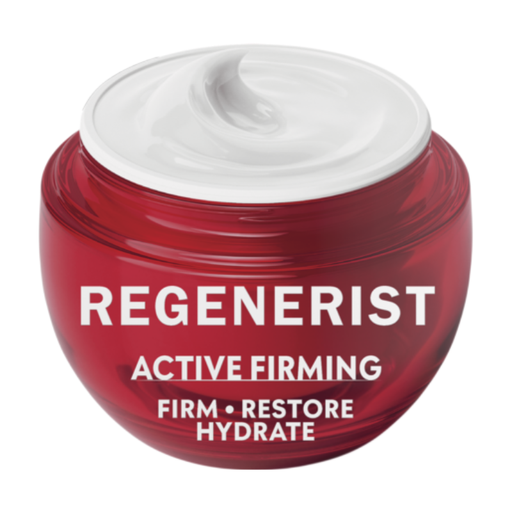
Why it suits this profile: This night cream is designed for daily use and, according to the product specifications, is suitable for dry and mature skin.
Its purpose is clear: overnight care, with no SPF claim or complicated morning routine.
50 ml; contains niacinamide and amino peptides according to the product information; described as fragrance-free.
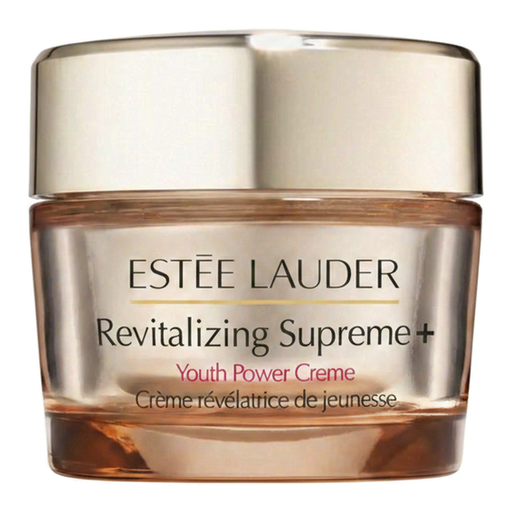
Why it suits this profile: The cream has a detailed ingredient description and, according to the product specifications, is suitable for all skin types and for unisex use.
The product description names specific ingredients, size and texture, rather than relying solely on a general anti-ageing promise.
50 ml; contains hyaluronic acid and hibiscus extract according to the product information; soft cream texture.
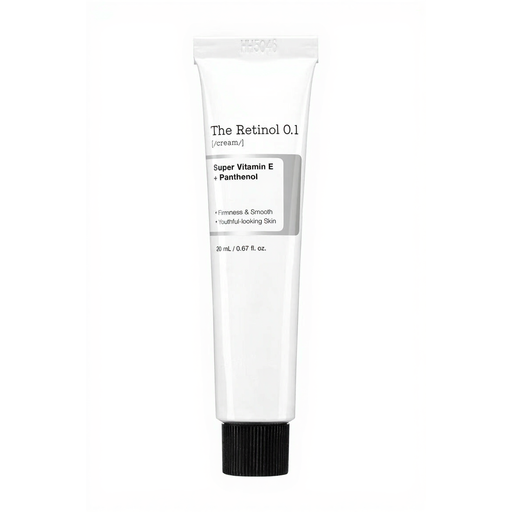
Why it suits this profile: For anyone who wants to incorporate a retinol cream into their routine and is looking for a clearly stated concentration.
The product information states that it contains 0.1% retinol, so you don’t have to rely on the term “anti-ageing” alone.
20 ml; contains retinol, hyaluronic acid and panthenol according to the product description.
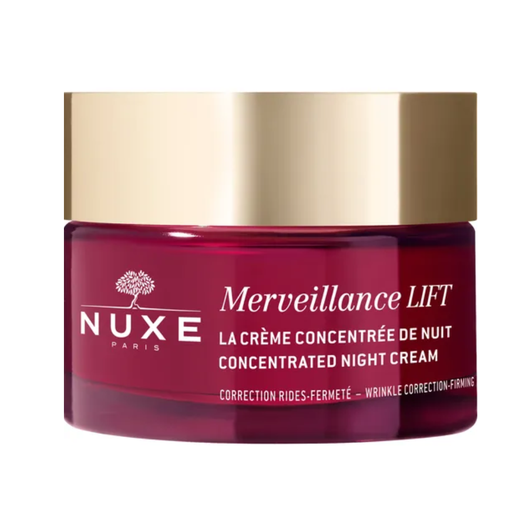
Why it suits this profile: This night cream is designed for use on the face and neck and has a rich texture, according to the product description.
It’s intended for evening use, so you won’t accidentally use it as a day cream with SPF.
50 ml; suitable for all skin types according to the product information; designed to help correct wrinkles and care for skin overnight.
We’ve put together a complete, up-to-date list of products that meet these strict selection criteria and current European safety regulations.
Gently cleanse your face, then apply a small amount to your face and neck. Using more cream doesn’t automatically mean better results. Use a retinol cream or an acid-based cream according to the packaging, and don’t add several active products to your routine straight away.
A night cream for wrinkles is generally used in the evening. A day cream, such as L’Oréal Paris Revitalift Anti-Wrinkle Day Cream SPF 30, is designed for daytime use and has SPF 30 in its product name. Always check the current packaging and instructions for use.
Look for a richer texture and hydrating ingredients such as glycerine, hyaluronic acid, panthenol, shea butter or oils. Choose fragrance-free options if your skin reacts easily, and test a new product on a small area first.
Follow the directions on the packaging. If you haven’t used retinol before, it’s usually best to start with a low frequency and build up gradually. Use sun protection during the day, and don’t combine several exfoliating products without first preparing your skin.
Check the expiry date and the open-jar symbol on the packaging. Store the cream somewhere cool and dry, away from direct sunlight. If its smell, colour or texture changes, stop using it.
