
Vandaag of morgen in huis

Kwaliteit gegarandeerd

Welkomstaanbiedingen ontgrendelen: GRATIS bezorging | Tot 80% korting | Gratis 30 dagen JoyPlus-proefperiode
Download de app
Wrinkles, fine lines, dryness and less firm skin do not automatically call for an expensive jar of cream. An anti-ageing face cream can primarily help your skin feel supple and hydrated. However, the visible effect depends on the formula, your skin type and how consistently you use the product.
Words such as “lifting”, “collagen boost” and “instant wrinkle correction” sound appealing, but do not always tell you much about the exact formulation. Always check the full ingredients list and see which active ingredients appear near the top.
Claims about fewer wrinkles, firmer skin or a visible lifting effect come from the brand itself. According to Estée Lauder’s own research, for example, some participants reported a firmer or lifted appearance. This is not a guarantee for every skin type or user.
A cream for mature skin is not automatically suitable for dry or sensitive skin. Focus on your main concern:
A cream containing retinol, acids and vitamin C may sound comprehensive, but using several active products can put strain on your skin. Introduce one new product at a time. It is best to introduce retinol gradually and follow the instructions on the packaging. During the day, a sun protection product with suitable UV protection should form part of any routine targeting fine lines.
The ingredients list follows the INCI order: substances are generally listed from the highest to the lowest amount. A hyaluronic acid cream can temporarily make the skin feel plumper by attracting moisture. Ceramides and fatty acids mainly support a comfortable skin feel and help reduce tightness.
A retinol cream requires more care. According to brands’ product descriptions, retinol may target fine lines and skin renewal, but irritation, dryness or redness are possible reactions. Do not use the product on damaged or irritated skin, and build up the frequency gradually.
Peptides are found in a peptide face cream such as BIOHEAL 3D Lifting Cream. According to the brand description, this formula contains 17 peptides. Always check the current packaging, however, as formulas may change.
A 50 ml jar may seem appealing, but how long it lasts depends on the amount used each time. A pump bottle can be more hygienic and practical than an open jar. A tube is handy for a cream you want to take with you.
Pay attention to the texture too:
Check the expiry date, batch number and PAO symbol on the packaging. This symbol indicates how long the product can be used after opening. Stop using it if you experience burning, swelling, itching or persistent redness. If symptoms are severe or continue, seek medical advice.
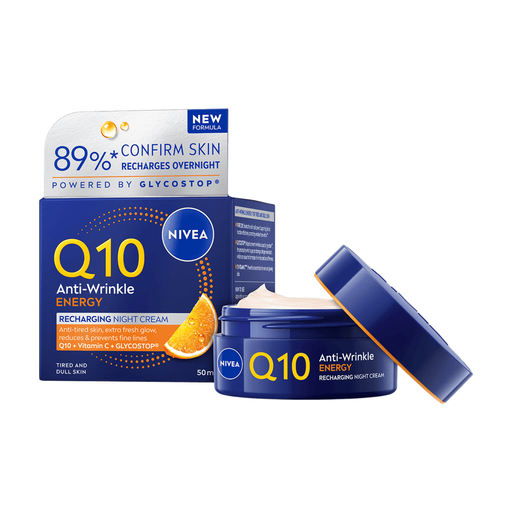
Why it suits this profile: A straightforward 50 ml night cream for anyone looking for their first anti-wrinkle cream without immediately combining several active serums.
The product description lists Q10, glycerine, vitamin C and E derivatives, as well as a night-time texture. Check whether fragrance, such as citronellol and parfum in the stated INCI list, is suitable for your skin.
50 ml; suitable for all skin types according to the product information; contains glycerine, shea butter and Q10.
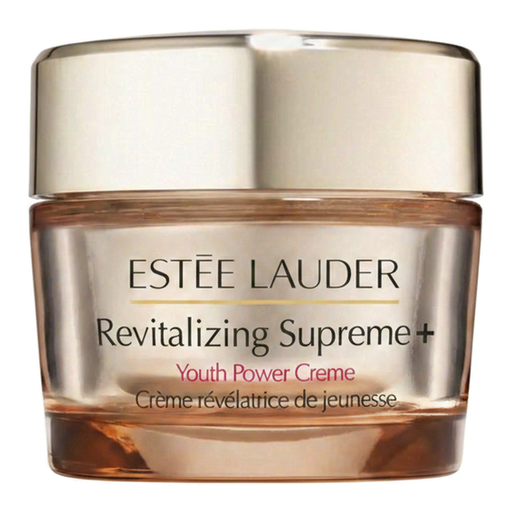
Why it suits this profile: For anyone looking for a rich, multi-active face cream focused on hydration, radiance and a softer skin texture.
The product information names specific ingredients, including hyaluronic acid, hibiscus and moringa extracts. Claims of 72-hour hydration and firmer skin are brand claims; do not regard them as guaranteed results.
50 ml; contains hyaluronic acid and cactus stem cell extract according to the product description; soft cream texture.
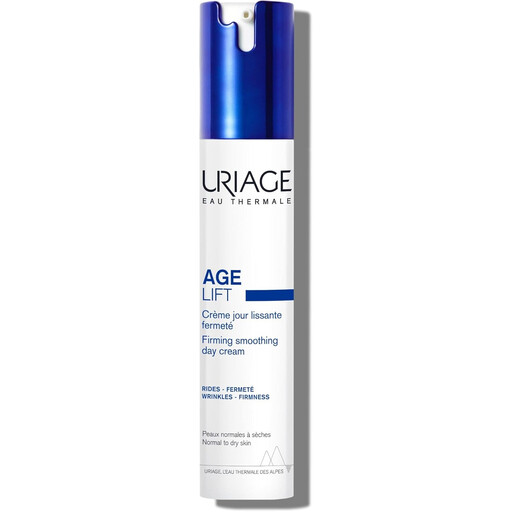
Why it suits this profile: A fragrance-free option for anyone looking for a firming face cream with a gentle, nourishing texture.
The product details state that it is fragrance-free, alcohol-free and non-comedogenic. The listed ingredients include shea butter and squalane; check the packaging when purchasing.
40 ml; fragrance-free formula according to the product information; designed for normal, sensitive and dry skin.
We have put together a complete, up-to-date list of products that fully meet these strict selection criteria and the applicable European safety regulations.
Look for a hydrating anti-ageing cream containing glycerine, hyaluronic acid, shea butter, squalane or ceramides. A richer cream is particularly pleasant in the evening. Avoid combining high-strength retinol with exfoliating acids if your skin already feels dry or sensitive.
Follow the directions for use. An ordinary moisturising cream can often be used daily. With retinol, it is wiser to build up gradually: for example, start with a few evenings a week if permitted by the packaging. Use a sun protection product during the day and watch for signs of irritation.
Check the expiry date and PAO symbol on the packaging. Shelf life after opening varies by formula. Store the cream somewhere cool and dry, away from direct sunlight. Has the smell, colour or texture changed? It is best not to use the product, even if the stated period has not yet elapsed.
