
Vandaag of morgen in huis

Kwaliteit gegarandeerd

Welkomstaanbiedingen ontgrendelen: GRATIS bezorging | Tot 80% korting | Gratis 30 dagen JoyPlus-proefperiode
Download de app
Wrinkles, fine lines, dryness and loss of firmness don’t all call for the same cream. Yet many products are sold under one broad term: anti-ageing face cream. This can make it difficult to decide which formula suits your skin and daily routine.
There are also a few common pitfalls:
Start by deciding what you want to address. For dryness and tightness, moisturising ingredients such as glycerine, hyaluronic acid, panthenol, squalane and ceramides are worth looking for. A hydrating face cream can temporarily make fine lines less visible by leaving the skin feeling smoother and plumper.
Firming face creams often use peptides, niacinamide, adenosine or bakuchiol. According to the product descriptions from various brands, these ingredients are intended to help care for the visible signs of skin ageing. This is a brand claim, not a guarantee that every user will see the same results.
A collagen cream sometimes contains collagen or collagen-like ingredients. Check what is actually listed in the ingredients. The word “collagen” on the packaging doesn’t automatically mean that the skin itself produces more collagen.
A retinol cream may suit people who want to target the appearance of fine lines and uneven skin texture. The Retinol 0.1 Cream lists a concentration of 0.1% retinol and, according to the product information, also contains panthenol. The usage instructions recommend starting slowly, for example three times a week, and increasing how often you use it only if your skin tolerates it well.
An AHA formula, such as Topicrem AH Theavit Renewing Cream, contains glycolic acid according to the product description. This is an exfoliating acid. Don’t use a product like this alongside several other strong active ingredients until you’ve checked how well your skin tolerates it. Stop if irritation occurs and always follow the label.
If you use an anti-wrinkle cream during the day, it’s worth checking whether it contains SPF. Eucerin Hyaluron-Filler + Elasticity Rosé Day Cream has SPF 30, according to the product specifications. L’Oréal Paris Revitalift Anti-Wrinkle Day Cream also lists SPF 30.
An SPF 30 day cream is practical for everyday use, but it doesn’t replace careful sun protection. Apply enough product and reapply after swimming or sweating, or during prolonged exposure. If you use a retinol or acid product, take extra care with sun protection during the day, as your skin may react more sensitively.
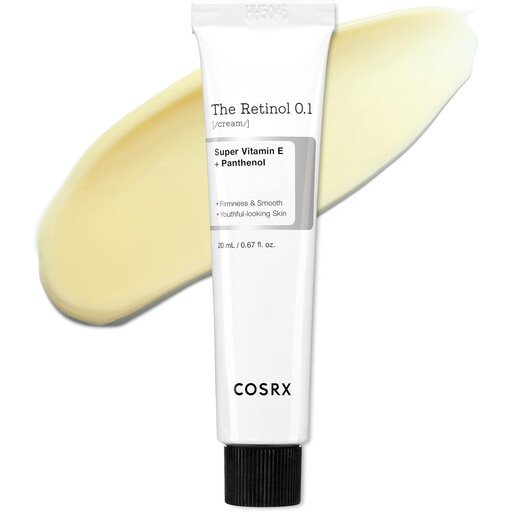
Why it suits this profile: The stated retinol concentration of 0.1% and advice to build up use gradually make this cream a suitable option for beginners looking for a cream for fine lines.
The usage schedule helps you avoid applying an active formula every day straight away. Stop if irritation occurs and check the packaging for the latest instructions.
0.1% retinol; 20 ml; product information mentions panthenol and a gradual build-up schedule.
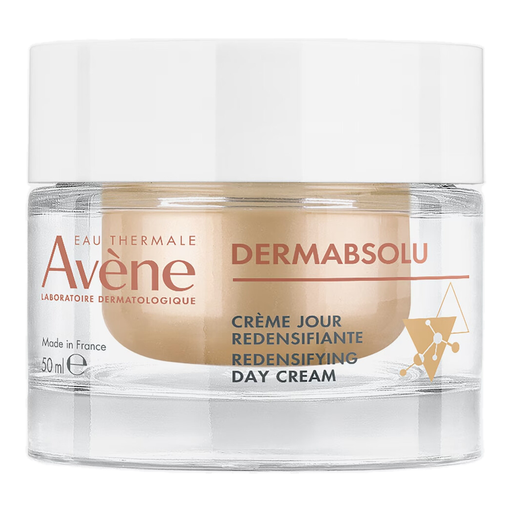
Why it suits this profile: According to the product information, the formula is designed for mature skin and combines glycerine, shea butter, hyaluronic acid and bakuchiol.
The product description clearly states that it is intended for mature skin and can be used on the face, neck and décolleté, rather than making only a general anti-ageing claim.
50 ml; designed for mature skin; contains bakuchiol, glycerine, shea butter and hyaluronic acid, according to the ingredients list.
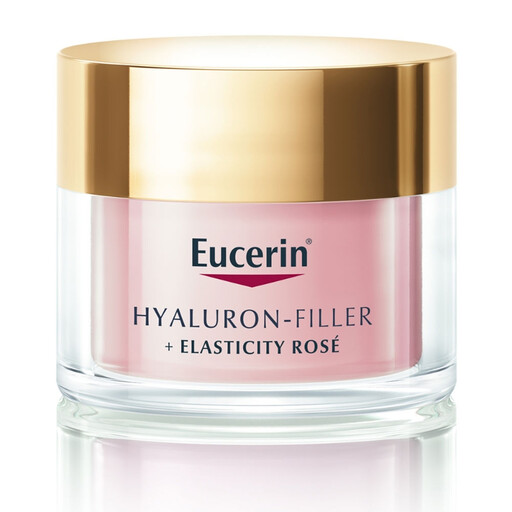
Why it suits this profile: This day cream combines care for the appearance of elasticity with a stated SPF 30 and a subtle rosy tint.
The SPF specification is clearly stated. Bear in mind, though, that the rosy tint may not suit every make-up routine or skin tone.
SPF 30; 50 ml; pump packaging; according to the product information, suitable for all skin types, including sensitive skin.
We’ve compiled a complete, up-to-date list of products that meet these strict selection criteria and the applicable European safety regulations.
A simple moisturising formula is often a sensible place to start. If you want to try retinol, look for a clearly stated low concentration and a gradual build-up schedule, such as the one for the Retinol 0.1 formula. Don’t use the product more often than the packaging recommends.
It depends on the amount in the pack, how much you use each time and when you use it. A 50 ml product for daily use will generally last differently from a 20 ml retinol cream that you apply a few evenings a week. Also check the open-jar symbol and the expiry information.
SPF 30 provides the stated level of protection when you apply the cream correctly and use enough of it. Reapply during prolonged exposure, after swimming or if you sweat. Also avoid intense sun and combine an anti-wrinkle cream with general sun protection.
