
Vandaag of morgen in huis

Kwaliteit gegarandeerd

Welkomstaanbiedingen ontgrendelen: GRATIS bezorging | Tot 80% korting | Gratis 30 dagen JoyPlus-proefperiode
Download de app
An anti-ageing face cream can help dry skin feel more comfortable and temporarily make fine lines look less noticeable. However, not every anti-wrinkle cream is suitable for every skin type. A rich cream can feel pleasant on mature or dry skin, but may feel too heavy on combination skin. Terms such as “filler”, “lifting” and “collagen” also say little on their own about how well a product fits into your routine.
The following points can help you distinguish marketing claims from verifiable product information.
Brands regularly use percentages, for example when referring to smoother-looking skin or less visible wrinkles. Such results only apply under the conditions of the brand’s study. Always check who carried out the research, how many people took part and after what period of use the result was measured.
According to L’Oréal Paris’s own research, the manufacturer reports results after four weeks for certain Revitalift products. This is not a guarantee for every user. Skin type, the amount of product used, your skincare routine and sun exposure all play a role.
A face cream with SPF can be practical for everyday use, but the level of protection depends on how much you apply and the conditions. A day cream with SPF 15 or SPF 30 does not automatically replace a separate sun protection product during prolonged exposure to the sun. Also check whether the cream specifically states that it provides UVA and UVB protection.
Hyaluronic acid helps retain moisture in a formula and is found in many hydrating products. A hyaluronic acid face cream may therefore be worth considering if your skin feels tight or you have dry-looking lines. However, bakuchiol, retinol-like ingredients, acids, perfume and alcohol may feel different on sensitive skin. Always check the full ingredients list and test a new product on a small area of skin first.
Choose a texture that suits your skin:
The term “collagen face cream” usually refers to collagen or collagen peptides in the formula. This does not automatically mean that collagen is replenished deep within the skin. Assess the product based on its ingredients, texture and how it feels to use.
An anti-ageing day cream with SPF is intended for the morning. An anti-wrinkle night cream usually does not contain SPF and may focus more on a rich, nourishing texture. Products containing active ingredients such as retinoids, bakuchiol or exfoliating acids require extra attention to the directions for use.
Use a cream as stated on the packaging and do not combine different active products without care if your skin reacts easily.
Most options in this selection contain 50 ml; Clinique offers 75 ml and Nuxe Crème Fraîche 30 ml. So do not compare only the price of a jar or tube, but also the amount it contains and the recommended frequency of use. Check the shelf-life information and the period after opening on the packaging. With a refill, such as Avène DERMABSOLU Day Redensifying Cream Refill, you should also check whether you already have the matching packaging.
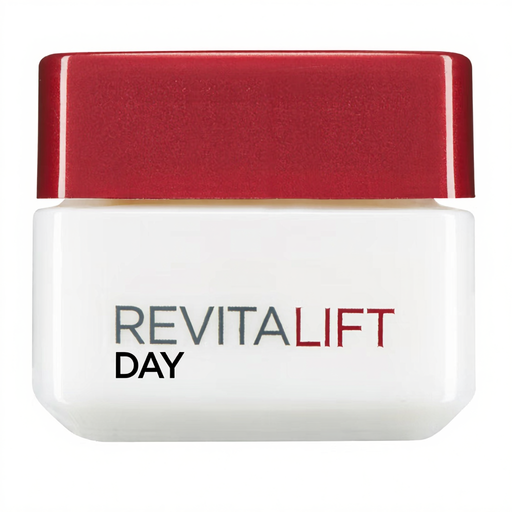
Why it suits this profile: A straightforward morning routine with 50 ml, pro-retinol according to the product description and SPF30. Suitable for anyone trying a targeted anti-ageing day cream for the first time.
The SPF level is clearly stated. Claims about reducing wrinkles come from L’Oréal Paris product information and should not be viewed as a guaranteed result.
Day cream for the face and neck, SPF30, 50 ml and dermatologically tested according to the product specifications.
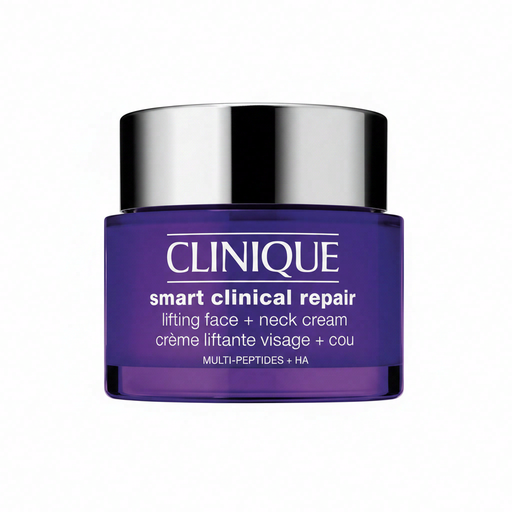
Why it suits this profile: This cream combines a 75 ml size with SPF30 and a fragrance-free formula. It is a good fit for anyone who values clear specifications and a product for the face and neck.
The product information explicitly states that it is fragrance-free and has SPF30. Results from Clinique consumer research, such as smoother-looking skin after twelve weeks, are brand claims.
75 ml, SPF30, fragrance-free and suitable for all skin types according to the product specifications.
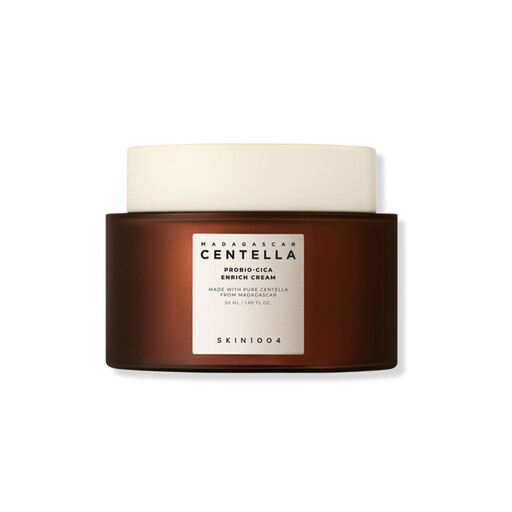
Why it suits this profile: A concentrated cream for anyone primarily looking for moisture and comfort, for example with dry or sensitive skin. The formula contains glycerine, niacinamide, centella asiatica, shea butter and Ceramide NP.
The product description states that it is suitable for sensitive skin and has undergone dermatological testing. This remains product information; stop using it if irritation occurs and check the current packaging.
50 ml, vegan and cruelty-free according to the product specifications, with ceramide and several moisturising ingredients.
We have put together a complete, up-to-date list of products that fully meet these strict selection criteria and the applicable European safety regulations.
Apply a day cream after cleansing and, if applicable, after using a serum. Use an anti-wrinkle night cream as the final step in your evening routine. A small amount is usually enough; follow the instructions on the packaging.
This depends on the amount it contains, how much you use each time and how often you apply it. A 50 ml container often lasts longer than a smaller one when used daily, but pay particular attention to the period after opening. Do not use a cream if its smell, colour or texture has changed.
Hydration can help relieve a tight feeling, but sensitive skin primarily requires a suitable formula with simple ingredients. Choose a cream for sensitive skin, check the perfume and active ingredients, and carry out a small patch test beforehand. If skin problems persist, seeking advice from a doctor or pharmacist is wiser than simply switching to another cream.
