
Vandaag of morgen in huis

Kwaliteit gegarandeerd

Welkomstaanbiedingen ontgrendelen: GRATIS bezorging | Tot 80% korting | Gratis 30 dagen JoyPlus-proefperiode
Download de app
Wrinkles, fine lines, dryness and loss of firmness do not all require the same skincare. A rich anti-ageing face cream can feel comfortable on dry, mature skin, but may feel too heavy on normal or sensitive skin. A lightweight cream may be comfortable during the day, but provide less nourishment when your skin feels tight and dry.
The product name alone tells you very little. Pay particular attention to the ingredients list, when to use the product and the information on the packaging. Below, you can read about common pitfalls that can lead to disappointing purchases, as well as the product specifications worth comparing.
Words such as “lifting”, “filler” and “regenerating” sound convincing, but do not automatically describe a guaranteed result. According to a brand’s own research or product information, certain ingredients may help the skin look smoother, plumper or firmer. This is not a medical claim, and results vary from person to person.
So look for details you can verify, such as:
A retinol cream may be worth considering if you are looking for a cream for fine lines. However, retinol is an active ingredient that can cause dryness or irritation for some users. For its Retinol 0.3 Cream, states, among other things, that you can start by using it every other evening, carry out a patch test and use sun protection during the day.
Do not use retinol at the same time as several exfoliating products, such as AHA or BHA products, without carefully checking the directions for use. During pregnancy or breastfeeding, it is advisable to consult a doctor.
An anti-ageing day cream with SPF can be a practical part of your morning routine. However, check the protection level stated on the product and follow the advice to apply enough and reapply whenever necessary. An SPF cream does not provide complete protection against all the effects of excessive exposure to sunlight.
A regular moisturising face cream without SPF is therefore not automatically suitable as your only morning protection.
Ingredients such as glycerine, panthenol, squalane, ceramides and hyaluronic acid are commonly used for hydration. A hyaluronic acid cream may feel comfortable if you mainly want to reduce a tight or dry feeling. Hyaluronic Acid Intensive Cream lists glycerine, betaine and sodium hyaluronate among its ingredients.
Firming face creams often contain peptides, niacinamide, adenosine or bakuchiol. According to the product description for Avène DERMABSOLU Day Redensifying Cream, this cream contains 1% bakuchiol and pro-ceramides. Always check the current ingredients list on the packaging, as formulations may change.
Dry or mature skin may benefit from a richer cream containing shea butter, oils or other nourishing ingredients. Normal or sensitive skin may prefer a lightweight, fast-absorbing texture.
When choosing a face cream for sensitive skin, also check for fragrance and essential oils. According to the listed ingredients, SKIN1004 Madagascar Centella Cream contains lavender oil and orange oil, among other ingredients. Medicube Pink Hyaluronic Moisturising Cream lists fragrance. This does not mean these products are unsuitable for everyone, but it is relevant information if your skin reacts quickly to fragrances.
A day cream is often lighter and may contain SPF. An anti-ageing night cream is usually richer and is applied after cleansing, optionally over a serum. A jar offers a different user experience from a pump bottle: a pump bottle allows less direct contact with the contents. Also check the period after opening, the batch number and the directions for use.
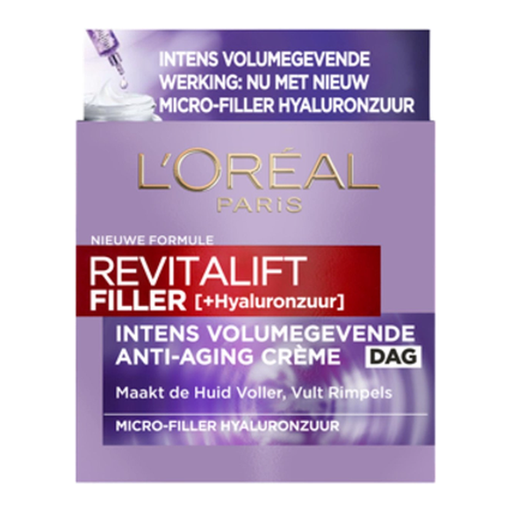
Why it suits this profile: A simple daytime routine for anyone mainly looking for hydration and care for mature skin. The cream is intended for use on the face and neck.
The product information lists hyaluronic acid as an important ingredient. Check the packaging to make sure the current formula and directions for use match.
50 ml; intended as a morning cream; according to the product description, suitable for women aged 35 and over.
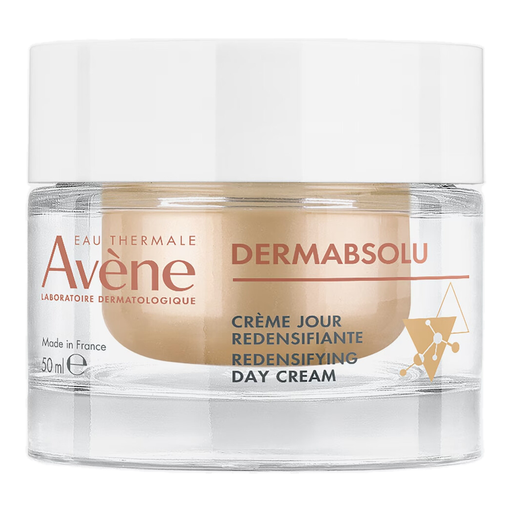
Why it suits this profile: Designed for users with mature or sensitive skin who are looking for a richer day cream for hydration and comfort.
The product description lists bakuchiol, pro-ceramides and shea butter. Check your skin’s tolerance and, if in doubt, carry out a small patch test first.
50 ml; intended for the face, neck and décolletage; product information states that it contains 1% bakuchiol.
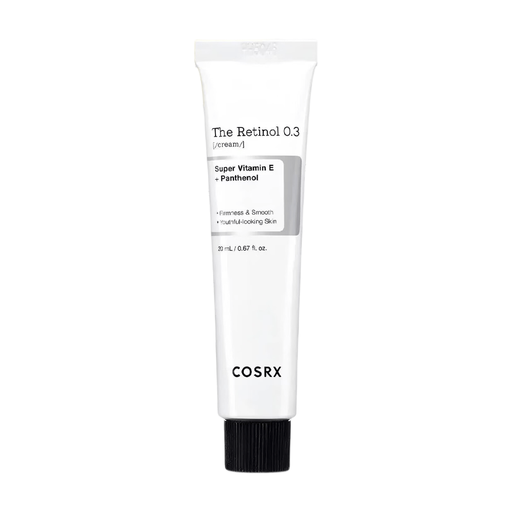
Why it suits this profile: For anyone who deliberately wants to add a retinol cream to an existing evening routine and is prepared to introduce it gradually.
The available information states that it contains 0.3% retinol, recommends patch testing and night-time use only, and advises daily sun protection.
20 ml; also contains panthenol and several forms of hyaluronic acid according to the ingredients list.
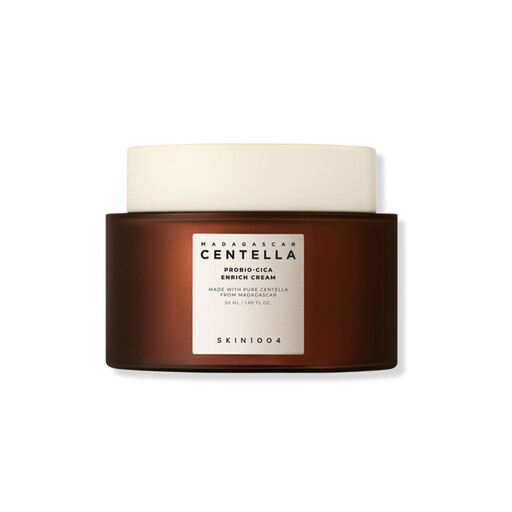
Why it suits this profile: An option for anyone looking for a Korean face cream with a nourishing texture for dry or sensitive skin.
The product information lists ceramide NP and fermented Centella Asiatica. Check the full ingredients list if you are sensitive to particular ingredients.
50 ml; according to the product details, vegan and dermatologically tested; intended as the final step in your routine.
We have put together a complete, up-to-date list of products that fully meet these strict selection criteria and the applicable European safety regulations.
Choose a cream with hydrating and nourishing ingredients, such as glycerine, hyaluronic acid, ceramides, shea butter or oils. A rich night cream may feel comfortable when your skin mainly feels dry in the evening. If you have sensitive skin, also check for fragrance and essential oils.
That depends on the formula. A regular hydrating or firming face cream is often marketed for daily use. With retinol, it is important to build up use gradually. Follow the product instructions, avoid applying it to damaged skin and stop if irritation persists.
This varies depending on the volume and the amount used each time. A 50 ml jar will generally last longer when you use a small amount than when you apply a thick layer. Always check the period after opening, the symbol on the packaging and the stated expiry date. If the formula or shelf life changes, the current packaging takes precedence.
