
Vandaag of morgen in huis

Kwaliteit gegarandeerd

Welkomstaanbiedingen ontgrendelen: GRATIS bezorging | Tot 80% korting | Gratis 30 dagen JoyPlus-proefperiode
Download de app
Buying an anti-ageing face cream seems simple until you’re faced with dozens of options promising a lifting effect, collagen, deep absorption and visible wrinkle reduction. A higher price doesn’t automatically mean a formula is right for your skin. And a long ingredients list, on its own, tells you little about what a product will feel like to use.
If you’re looking for an anti-wrinkle cream or a face cream for mature skin, it’s worth first getting to know three common pitfalls.
Terms such as “lifting”, “collagen boost” and “deep absorption” may sound convincing, but they don’t guarantee the same results for every skin type. A brand’s own research or product information may suggest that certain ingredients support a particular product positioning. That doesn’t mean wrinkles, pores or skin laxity will improve in the same way for everyone.
So look for information you can check: the ingredients list, product size, directions for use, skin type and product format.
A retinol cream or a cream containing glycolic acid may appeal if you want to target skin texture and fine lines. At the same time, retinol and acids can cause dryness or irritation for some people. When using active ingredients, start with a low frequency of use and always follow the label.
A moisturising face cream without strong exfoliating ingredients may make more sense if your skin feels dry, tight or sensitive.
An anti-ageing night cream often has a richer texture and is designed to be the final step in your evening routine. An anti-wrinkle day cream may be lighter and work better under make-up. Also consider sun protection. A cream with SPF can be convenient during the day, but check that the SPF is suitable for your daily sun exposure. You’ll often still need a separate sunscreen if you’re spending a long time outdoors.
Start with what you want to address:
A collagen cream may leave your skin feeling plumper or more comfortable thanks to its hydrating ingredients. Collagen in a cream shouldn’t be taken to mean it will definitely boost collagen production in your skin.
With retinol, concentration matters. For example, The Retinol 0.1 Cream lists 0.1% retinol. That’s more specific than simply seeing the word “retinol” on the packaging. It’s best to introduce a retinol product gradually and use sun protection during the day.
A face cream with hyaluronic acid may also list several forms, such as sodium hyaluronate or hydrolyzed hyaluronic acid. The presence of several forms doesn’t automatically tell you how your skin will respond. The overall formula and how you use it matter too.
A 50 ml jar and a 50 ml pump bottle contain the same amount of product, but differ in how they’re used and how much the contents are exposed to air and fingers. Check:
The current ingredients list and shelf-life information on the physical packaging should be treated as definitive, as formulas may vary by market or production batch.
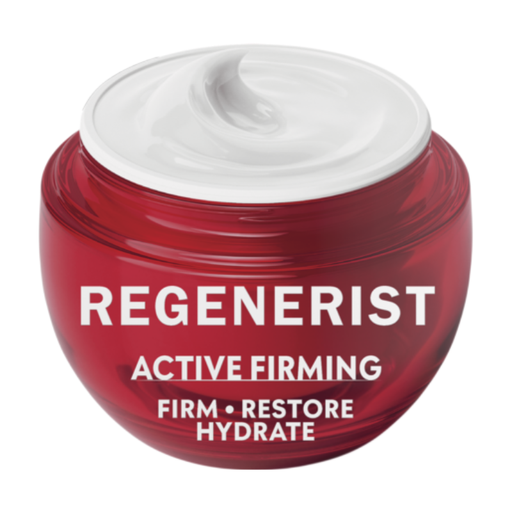
Why it suits this profile: This night cream is designed for daily use and, according to the product description, contains niacinamide and amino peptides. The formula is listed as suitable for normal, dry and oily skin.
Its intended use is clearly defined as a night cream, so you won’t mistake it for a day product with sun protection.
50 ml, fragrance-free according to the product specifications, and designed to hydrate and help skin feel firmer.
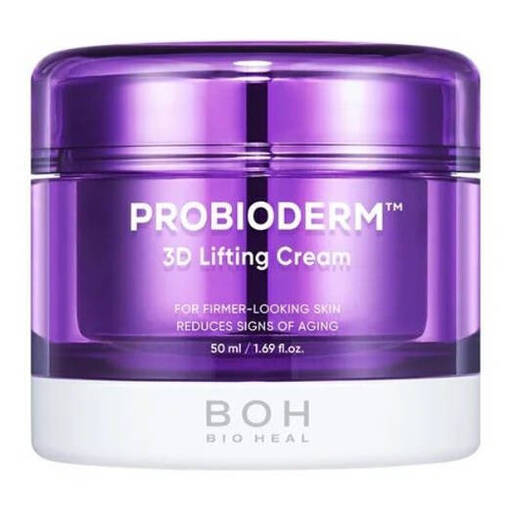
Why it suits this profile: According to the product information, the formula contains an Elasticity Biome complex and 17 peptides. Its lightweight texture is listed as suitable for all skin types.
The choice isn’t based solely on the word “lifting”; it also takes the stated formula, size and use into account.
Pump packaging, 50 ml, and a combination of probiotics, prebiotics, postbiotics and peptides.
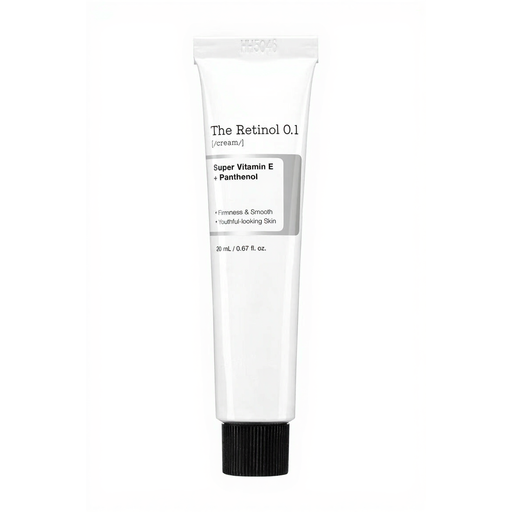
Why it suits this profile: This retinol cream lists a retinol concentration of 0.1% and, according to the product information, also contains hyaluronic acid and panthenol.
The concentration is stated, so you’re not relying on a general retinol claim alone. Introduce it gradually and stop if irritation occurs.
0.1% retinol, 20 ml and additional hydrating ingredients, according to the product description.

Why it suits this profile: According to the ingredients list, the cream contains several ceramides, panthenol, squalane and different forms of hyaluronic acid.
The focus is on skin barrier care and hydration, rather than strong active ingredients alone.
80 ml, ceramides and hyaluronic acid; the product information also states that it is dermatologically tested and non-comedogenic.
Gently cleanse your face, then apply the cream to dry or slightly damp skin, depending on the directions for use. A small amount is usually enough for your face and neck. Don’t use several active products all at once. For example, avoid combining retinol, glycolic acid and a strong vitamin C formula straight away if your skin isn’t used to them.
If you have sensitive skin, test the product on a small area first. If persistent redness, itching or a burning sensation develops, stop using the product. If in doubt, ask a doctor or dermatologist for advice.
We’ve put together a complete, up-to-date list of products that meet these strict selection criteria and the applicable European safety requirements.
You can usually use a simple moisturising cream every day, in the morning and/or evening, as directed on the label. With retinol or acids, it’s wiser to start with a few evenings a week. Increase how often you use it only if your skin tolerates the product well.
No. Compare the size, ingredients, texture, packaging and recommended use. An affordable cream with a formula that suits your skin may be more practical than an expensive product that irritates your skin or has a texture you don’t like.
Check the expiry date and PAO symbol on the packaging. Many products, for example, state that they should be used within twelve months of opening, but this varies by formula. Store the cream in a cool place, close the packaging securely and don’t use a product if its smell, colour or texture has clearly changed.
