
Vandaag of morgen in huis

Kwaliteit gegarandeerd

Welkomstaanbiedingen ontgrendelen: GRATIS bezorging | Tot 80% korting | Gratis 30 dagen JoyPlus-proefperiode
Download de app
Buying an anti-ageing face cream seems simple until you have to choose between retinol, peptides, hyaluronic acid, niacinamide, AHAs and a host of promising brand names. A high price or eye-catching claim does not automatically mean a cream is right for your skin.
For women and men from around the age of 35, three things are particularly important: your skin may feel drier, fine lines may become more visible and your skin barrier may react more quickly to active ingredients. Choosing the right product can help prevent a cream from being left unused at the back of the cupboard.
Terms such as “lifting”, “collagen boost” and “instant wrinkle correction” sound appealing. However, they do not guarantee a particular result. According to a brand’s own research or assessment, certain ingredients may contribute to how a product works, but individual skin reactions vary.
So start by checking verifiable information:
A retinol cream or a cream containing AHA and BHA may be appealing if you are looking for a cream to target fine lines. At the same time, active ingredients can cause dryness or irritation, particularly when you combine several products.
When trying an active formula, start with a small amount and use it infrequently. A hydrating face cream containing glycerine, panthenol, ceramides or hyaluronic acid may be a more logical starting point if your skin feels tight or sensitive.
A night cream for wrinkles is not automatically suitable as a day cream. A rich texture may feel heavy during the day or may not sit as well under make-up. Conversely, a lightweight day cream may not provide enough comfort for dry skin overnight.
Also consider sun protection. A cream without SPF is not a substitute for a separate sunscreen. When using retinol, product warnings often advise taking extra care with sun protection.
When choosing a firming face cream, look for ingredients which, according to the product information, are included to provide hydration, skin comfort or a smoother-looking appearance:
Always check the current ingredients list on the packaging. Product formulas may change between batches or markets.
With retinol, the concentration is relevant. Retinol 0.1 Cream states 0.1% retinol, while Retinol 0.3 Cream states 0.3% retinol. This difference does not automatically make the products suitable for the same user.
Use retinol according to the label. A practical approach is:
If you are pregnant, breastfeeding or have a medical skin condition, it is best to discuss using retinol with a doctor or pharmacist beforehand.
A 50 ml jar may seem appealing, but a small 20 ml tube can be more practical if you want to introduce an active cream gradually. Consider the texture:
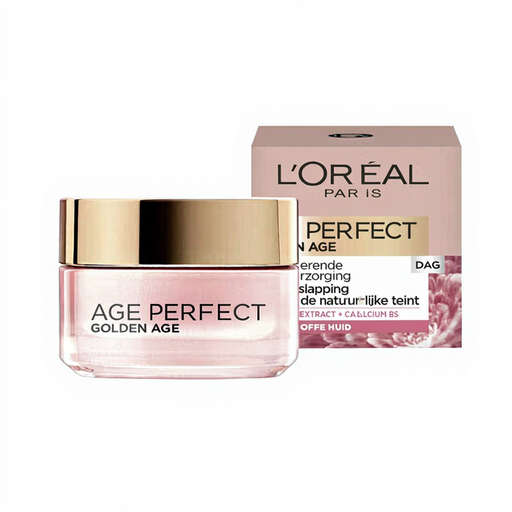
Why it suits this profile: A daily cream for anyone seeking a simple routine for mature skin without starting with retinol straight away.
The product information clearly states that it is for daily morning use, has a rich texture and contains 50 ml. Check the current packaging for fragrance allergens.
50 ml; intended for the face and neck; contains glycerine and meadowfoam seed oil according to the ingredients list.
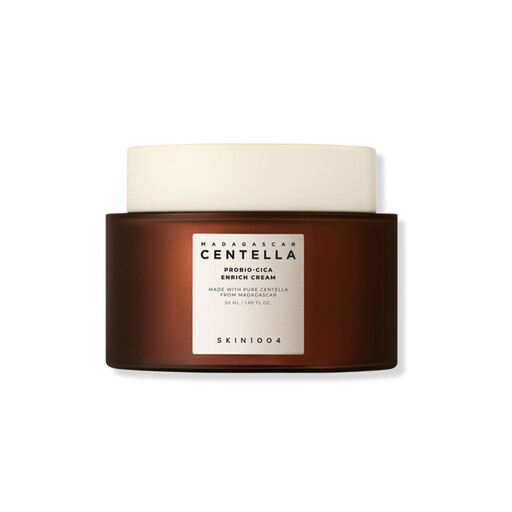
Why it suits this profile: Suitable for anyone who values comfort, barrier care and a rich cream more than a strong exfoliating effect.
According to the product information, the formula contains ceramide NP, glycerine, Centella asiatica and shea butter. This makes the formulation easy to check for dry or sensitive skin.
50 ml; according to the product information, dermatologically tested, vegan and suitable for all skin types.
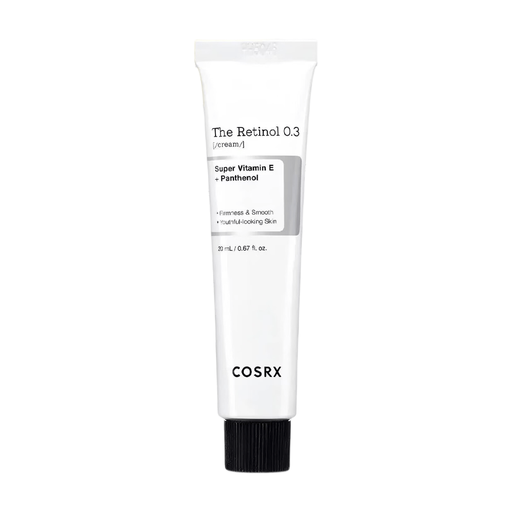
Why it suits this profile: For users who are specifically choosing retinol and are prepared to build up their usage gradually.
The stated concentration of 0.3% retinol and the advice to start gradually make it clear that this is not just an everyday moisturiser.
20 ml; according to the ingredients list, contains retinol, panthenol, adenosine and several forms of hyaluronic acid.
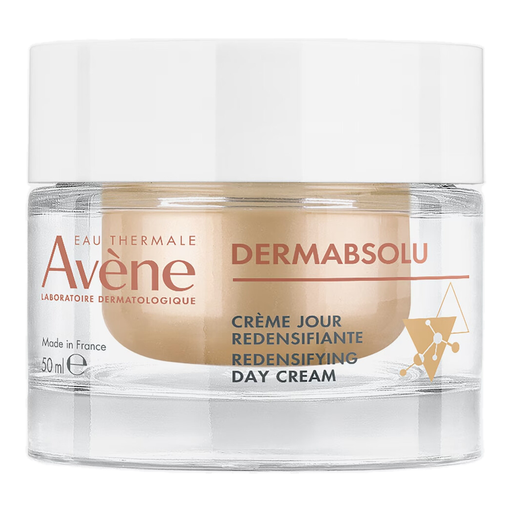
Why it suits this profile: An option for anyone seeking a day cream which, according to the product information, is designed for mature skin, dryness and a firmer-looking appearance.
The product information lists 1% bakuchiol, pro-ceramides, glycerine, hyaluronic acid and shea butter. Check the current packaging if you have sensitive skin.
50 ml; intended for the face, neck and décolletage; according to the product information, dermatologically tested and vegan.
We have compiled a complete, up-to-date list of products that fully meet these strict selection criteria and the applicable European safety regulations.
Apply a day cream to cleansed skin and, if the product does not contain SPF, use a separate sunscreen. A night cream for wrinkles is usually applied as the final step in your evening routine. Do not use more product than necessary: a thin, even layer is generally sufficient.
For dry and sensitive skin, you can start with a simple routine:
Look for a cream for dry and sensitive skin containing hydrating and barrier-supporting ingredients such as glycerine, panthenol, ceramides or shea butter. Be cautious with fragrance, retinol and acids. Test a new product on a small area of skin first.
Follow the manufacturer’s usage advice and usually start with a few evenings per week. Only increase use if your skin remains comfortable. Use sun protection during the day and do not simply combine several retinol, AHA or BHA products.
This depends on the amount of product, dosage and frequency of use. A 50 ml container will generally last longer with daily use than a 20 ml tube. Also check the open-jar symbol indicating the period after opening, as well as the expiry information on the packaging.
