
Vandaag of morgen in huis

Kwaliteit gegarandeerd

Welkomstaanbiedingen ontgrendelen: GRATIS bezorging | Tot 80% korting | Gratis 30 dagen JoyPlus-proefperiode
Download de app
An anti-ageing face cream can help dry, dull or tight-feeling skin feel more comfortable. However, not every cream suits every skin type. A rich cream may feel pleasant on dry skin but too heavy on oily skin. Terms such as “collagen”, “lifting” or “PDRN” can also sound impressive, but on their own they reveal little about the everyday user experience.
As a Joybuy Product Recommendation Officer, I assess product information using practical criteria: skin type, texture, ingredients, when to use it and verifiable product specifications. This helps you avoid paying mainly for marketing language.
Words such as “lifting”, “repair” and “wrinkle correction” sound convincing, but they do not guarantee that wrinkles will disappear or that the skin will actually become firmer. According to a brand’s own research or product information, certain ingredients may help create a particular appearance or skin feel. That is different from a guaranteed result for every user.
Pay particular attention to the full ingredients list. Glycerine, hyaluronic acid, squalane, shea butter and ceramides are often used to hydrate the skin and support the skin barrier. Peptides, niacinamide and collagen extracts are popular ingredients in a firming face cream, but their presence alone does not determine how the cream will work on your skin.
Mature skin is not automatically dry. Some people have combination or sensitive skin with areas of dryness. A rich cream for sagging skin may feel comfortable on the cheeks but too shiny on the forehead.
For dry skin, look for a cream containing nourishing oils, shea butter or ceramides. For combination or oily skin, a gel cream or lightweight emulsion may be more practical. If your skin reacts quickly to cosmetics, it is worth checking fragrance, essential oils and known allergens carefully.
An ordinary day cream does not always contain a UV filter. If you are looking for a face cream with SPF, check that the protection factor is clearly stated on the packaging. A cream without a stated SPF gives no basis for assuming that it protects against UV radiation. For prolonged sun exposure, using a separate sun protection product may be more practical.
For a face cream for mature skin, humectants and barrier-supporting ingredients are often more important than a long list of fashionable ingredients. For example, check for:
According to some brands’ product descriptions, these ingredients are intended to make the skin look smoother, firmer or plumper. Treat this as the manufacturer’s product information, not as a guaranteed effect.
A 50 ml jar or pump bottle is common, but how long the product lasts depends on how much you apply. A lightweight gel cream may work well under make-up, while a richer cream is better suited to an evening routine or dry skin.
Pay attention to the packaging:
A face cream for sensitive skin is not automatically suitable for everyone experiencing irritation. Check whether the formula contains fragrance and whether dermatological testing is mentioned. “Dermatologically tested” describes a test or assessment, but does not guarantee that nobody will react.
When trying a new formula, first apply a small amount to a limited area of skin. Stop using it if you experience redness, itching, swelling or a burning sensation, and follow the safety information on the packaging.
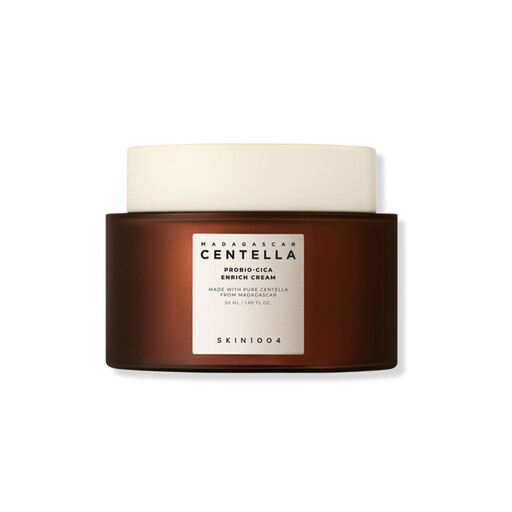
Why it suits this profile: A 50 ml cream with glycerine, niacinamide, Centella Asiatica and Ceramide NP for anyone looking for one nourishing formula for daily use.
The product description lists specific ingredients and states that it is suitable for sensitive skin; check the current packaging when purchasing.
50 ml; vegan and cruelty-free according to the product details; contains Ceramide NP and nourishing oils.
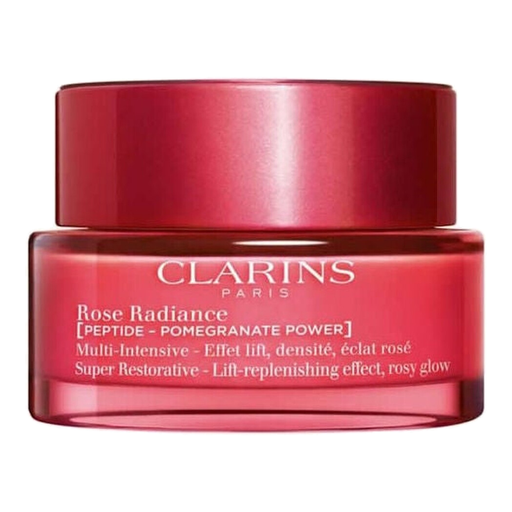
Why it suits this profile: Designed for adults looking for a richer cream and a skincare ritual for mature skin.
The formula and target audience are clearly described; bear the presence of fragrance ingredients in mind if you are sensitive to fragrance.
50 ml; 93% ingredients of natural origin according to the product information; pump packaging.
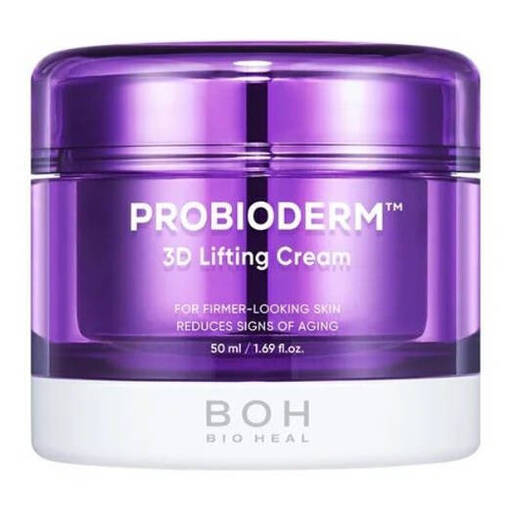
Why it suits this profile: A Korean skincare cream for users specifically interested in peptides, probiotics and a lightweight texture.
Rather than looking only at the lifting claim, you can check the listed composition: 17 peptides and a probiotic complex.
50 ml; pump bottle; hydrating and dermatologically tested according to the product details.
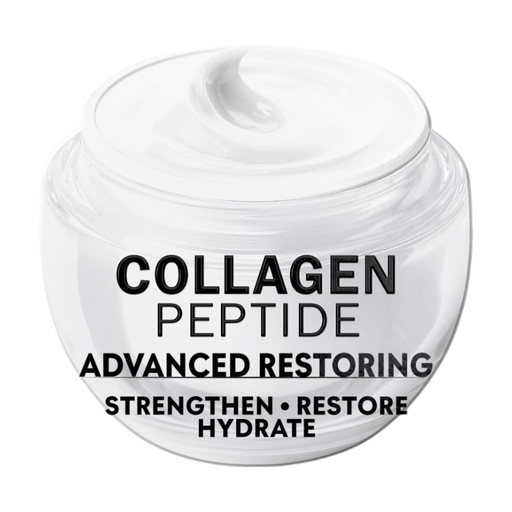
Why it suits this profile: Convenient for a morning routine when you are looking for a hydrating anti-wrinkle cream with SPF 30 and collagen peptides.
The SPF factor is clearly stated, so you do not have to rely solely on the term day cream.
50 ml; SPF 30; glycerine, niacinamide and collagen peptides according to the ingredient information.
We have put together a complete, up-to-date list of products that fully meet these strict selection criteria and the applicable European safety regulations.
A cream for skin elasticity is not a substitute for a complete skincare routine. Regular use, sufficient hydration and protection against UV radiation are practical parts of daily skincare. Do not expect cosmetics to provide medical treatment.
Look for a short, straightforward ingredients list and check for fragrance, alcohol and known allergens. Ingredients such as glycerine, panthenol and ceramides are often chosen for comfort and barrier care. Always carry out a patch test and follow the warnings on the packaging.
Check the open-jar symbol for the period after opening and the expiry information on the packaging. Store the cream somewhere cool and dry, away from direct sunlight. If the smell, colour or texture changes noticeably, stop using the product.
Not necessarily. “Collagen” refers to an ingredient or product positioning, while “firming” describes a cosmetic aim. Compare the full formula, texture, skin type information and any SPF rather than looking only at the name on the front.
