
Vandaag of morgen in huis

Kwaliteit gegarandeerd

Welkomstaanbiedingen ontgrendelen: GRATIS bezorging | Tot 80% korting | Gratis 30 dagen JoyPlus-proefperiode
Download de app
Buying an anti-ageing face cream seems simple until you’re choosing between retinol, hyaluronic acid, peptides, acids, SPF and countless promises of a firmer complexion. A high price or striking packaging says little about whether it’s right for your skin.
These three pitfalls in particular often lead consumers in the Netherlands to buy a product that ends up unused in the bathroom:
Read the product information and the ingredients list before you go by the front of the pack. Common ingredients include:
A longer ingredients list doesn’t automatically mean a better match for you. Above all, check whether the hero ingredient fits your goal and your skin’s tolerance.
A hydrating face cream with a rich texture can feel lovely for dry or mature skin, but heavy on combination skin. A lightweight lotion or cream can work better under sunscreen and make-up.
Keep an eye on the following:
A product may be described by the brand or seller as suitable for all skin types, but individual tolerance still matters. Patch test a new product on a small area first and always follow the label.
A day cream for wrinkles should sit comfortably and may include SPF. Eucerin Hyaluron-Filler + Elasticity Rosé Day Cream has SPF30 and a rosy tint according to the product information. That can be handy if you want to revive the look of a dull complexion, but the directions on application and reapplication remain your guide.
A night cream for anti-ageing is often richer and intended as the final step in your evening routine. Avène DERMABSOLU Intensive Night Cream contains bakuchiol, pro-ceramides and niacinamide according to the product information, and is aimed at mature skin.
If you use retinol or acids, daily sun protection in the daytime is a wise addition. A cream with SPF is not automatically sufficient for every level of sun exposure; follow the directions on the product and limit prolonged exposure.
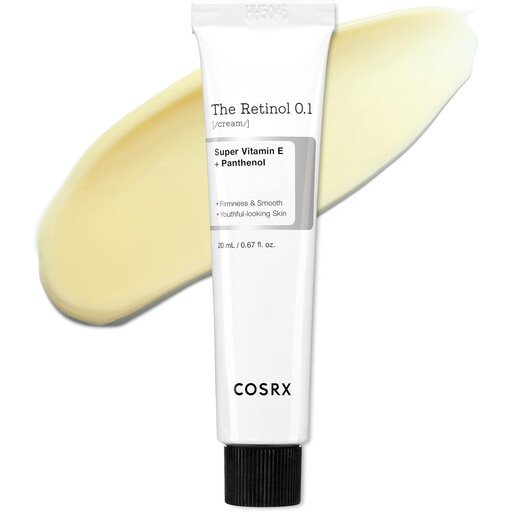
Why this suits the profile: The stated concentration of 0.1% retinol and the advice to build up gradually make this a straightforward choice if you’re using a retinol cream for the first time.
The product information states a clear retinol percentage and gives a gradual usage frequency. That’s more helpful than a generic claim about a younger-looking appearance.
0.1% retinol; contains panthenol and vitamin E according to the product information; intended for face and neck.
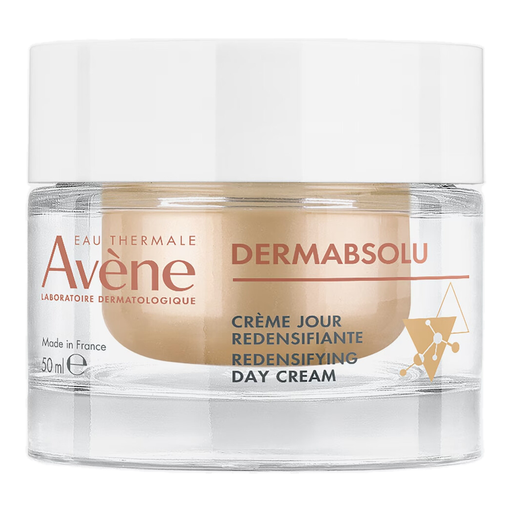
Why this suits the profile: According to the product information, this cream is developed for mature skin and combines a nourishing texture with bakuchiol, pro-ceramides and hyaluronic acid.
The target user, time of use and key ingredients are clearly stated. That helps you judge whether it fits a routine for dry or mature skin.
50 ml; intended for face, neck and décolleté; contains 1% bakuchiol and 2% pro-ceramides according to the product information.
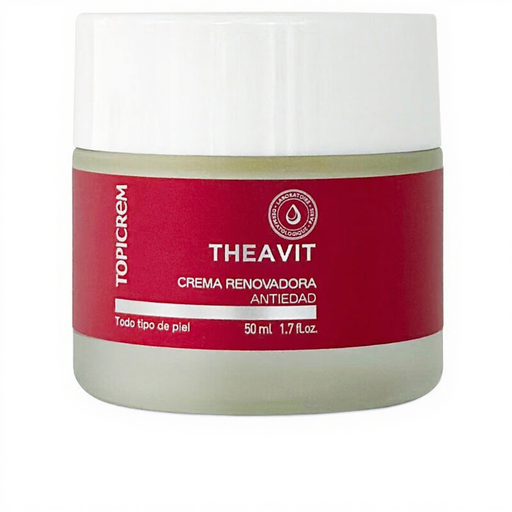
Why this suits the profile: If you mainly want to address a dull tone and uneven skin texture, you’ll find glycolic acid here and a light, fast-absorbing cream, according to the product information.
The product description names glycolic acid and the micro-peeling effect rather than just a generic anti-ageing promise. Do not use it alongside multiple strong exfoliants without checking the instructions.
50 ml; contains glycolic acid; fragrance-free according to the product information and suitable for morning and evening use.
We’ve compiled a complete, up-to-date list of products that fully meet these strict selection criteria and current European safety regulations.
That depends on the formula. A simple hydrating face cream can usually be used daily as per the label. With retinol or glycolic acid, it’s wiser to start slowly and only increase frequency when your skin tolerates it well.
No. Compare the ingredients, concentrations, volume and directions for use. An affordable cream with a clear formula can suit your skin better than an expensive product with a big marketing promise. Also check the price per millilitre and whether you can use the product consistently.
Check the expiry date and the period-after-opening on the packaging. Some products, for example, state twelve months after opening. Store the cream as instructed, close the packaging properly and stop using it if the scent, colour or texture changes noticeably.
