
Vandaag of morgen in huis

Kwaliteit gegarandeerd

Welkomstaanbiedingen ontgrendelen: GRATIS bezorging | Tot 80% korting | Gratis 30 dagen JoyPlus-proefperiode
Download de app
Wrinkles, fine lines, dryness and loss of firmness do not all require the same care. Yet almost every anti-ageing face cream seems to make similar promises. A cream may claim to plump the skin, lift facial contours and reduce wrinkles quickly. This makes comparing products difficult and can lead to a purchase that does not suit your skin type or routine.
As a Joybuy Product Recommendation Officer, I therefore focus mainly on verifiable information: ingredients, time of use, texture, size and warnings. This helps you avoid basing your decision solely on a striking marketing claim.
Brands use terms such as “lifting”, “filler” and “visibly younger-looking”. These are not guarantees for every user. When a product mentions a test result or percentage, check whether it clearly states who carried out the test and under what conditions.
For example, claims about reducing wrinkles after four weeks come from the brand’s product description. They cannot automatically be regarded as a personal result. A face cream can hydrate the skin, making it temporarily appear smoother, but the effect varies according to your skin type and routine.
An anti-ageing day cream may be intended for use in the morning and may sometimes contain UV filters. An anti-ageing night cream is often richer and designed to provide comfort and nourishment during your evening routine. A night cream containing retinol is not automatically suitable as a day cream.
During the day, it is best to use separate sun protection if the cream does not state a suitable SPF. Also check whether a formula containing retinol or exfoliating acids fits your routine, and introduce it gradually.
A cream containing retinol, hyaluronic acid or peptides may be worth considering, but the complete formula determines how the product feels on the skin. Dry skin may benefit from glycerine, shea butter, squalane or oils. Sensitive skin requires extra attention to fragrance, alcohol and potentially irritating ingredients.
You should therefore check the ingredients list on the packaging. The formulation may change between production batches or markets; the current packaging is the authoritative source.
For dry to very dry skin, a richer moisturising face cream is often more suitable than a lightweight gel. Look out for ingredients such as:
If you have normal or sensitive skin, you may wish to look for fragrance-free and non-comedogenic options. “Dermatologically tested” describes a test carried out by the brand or manufacturer, but it does not mean that every user can apply the product without experiencing a reaction.
A face cream with retinol is aimed at users who want to include retinol in their skincare routine. Retinol can make the skin more sensitive. Always follow the instructions on the packaging, avoid contact with the eyes and stop using the product if irritation occurs. During the day, sun protection is a practical addition.
Hyaluronic acid is mainly chosen for a hydrated, plumper-feeling complexion. A fine-line cream containing hyaluronic acid is particularly interesting when dehydration lines and tightness are the main concerns. Peptides, Q10, vitamin C and bakuchiol are also found in anti-ageing formulas, but their effects and supporting evidence may vary from product to product.
Check whether the product is intended for the face, neck or décolletage as well. A 50 ml jar is common, while a tube such as Uriage’s can be more hygienic and easier to dispense. Also check the recommended period after opening, such as 6M or 12M when stated on the packaging.
A firming face cream is not a substitute for dermatological treatment. Choose a product based on your skincare needs, tolerance and a routine you can realistically maintain every day.
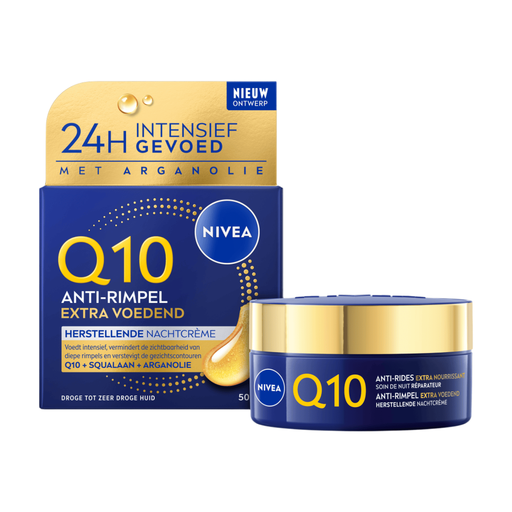
Why it suits this profile: This night cream is intended for dry to very dry skin and is applied to the face and neck every evening. The 50 ml size is well suited to a simple evening routine.
The instructions make it clear that this is an evening product for dry skin. According to the product description, the formula contains Q10, creatine, glycerine and organic argan oil; check the current packaging for the complete list.
50 ml; suitable for dry to very dry skin; with Q10, creatine and argan oil according to the product information.
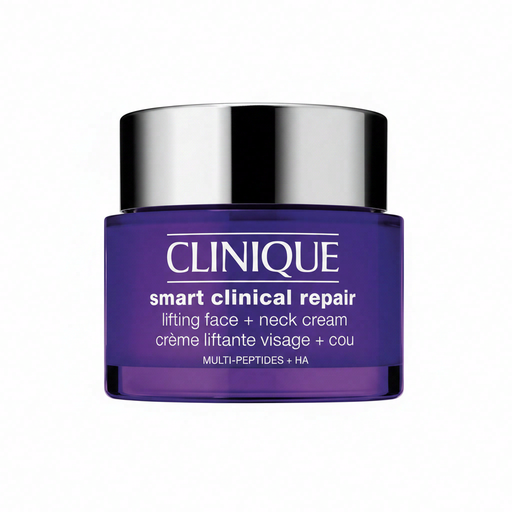
Why it suits this profile: The fragrance-free formula is intended for the face and neck and contains SPF 30. This makes the cream practical for a morning routine combining hydration and UV protection in one product.
The stated SPF 30 helps prevent you from mistaking a day cream without a UV filter for sun protection. According to the product details, the formula is fragrance-free and intended for all skin types.
75 ml; SPF 30; fragrance-free and dermatologically tested according to the product details.
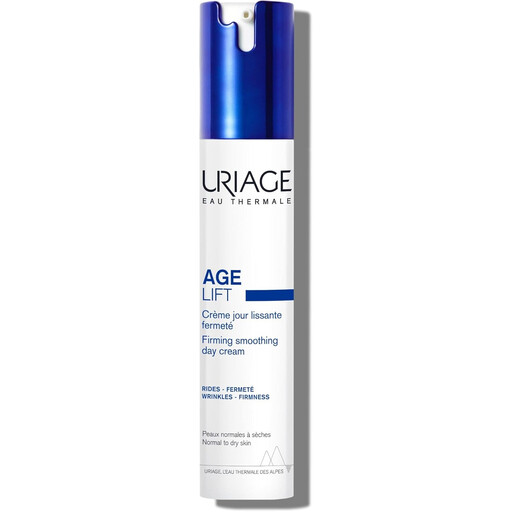
Why it suits this profile: This 40 ml cream is designed to firm and hydrate the skin. The product details list retinol, hyaluronic acid and shea butter, and state that it is used in the morning.
The instructions state that you should reduce the frequency of use if irritation occurs. This is relevant for a formula containing retinol. According to the product information, the cream is fragrance-free and non-comedogenic.
40 ml; with retinol, hyaluronic acid and shea butter according to the product description; fragrance-free and suitable for normal, sensitive and dry skin.
We have put together a complete, up-to-date list of products that fully meet these strict selection criteria and the applicable European safety regulations.
Look for a richer formula containing glycerine, hyaluronic acid, shea butter, squalane or nourishing oils. A night cream may feel more comfortable when your skin feels tight in the evening. Also check for fragrance and any other ingredients to which you may be sensitive.
Always follow the instructions for the specific product. When introducing a new face cream with retinol, gradually building up use is a practical approach. Use it less often if your skin reacts sensitively, and combine it with sun protection during the day. Avoid contact with the eyes.
This depends on the amount you use and how generously you apply it. A 50 ml jar may last anywhere from several weeks to several months with daily use. Check the period after opening on the packaging, and store the cream in a cool, dry place away from direct sunlight.
