
Vandaag of morgen in huis

Kwaliteit gegarandeerd

Welkomstaanbiedingen ontgrendelen: GRATIS bezorging | Tot 80% korting | Gratis 30 dagen JoyPlus-proefperiode
Download de app
An anti-ageing face cream can help your skin feel more comfortable, smoother and better hydrated. However, it can be tricky to distinguish marketing claims from practical product information. A high price, for example, doesn't automatically mean a product is right for your skin. Likewise, terms like “lifting”, “cell renewal” and “collagen boost” don't always describe what you'll notice in daily use.
For women and men from around the age of 35, three things are particularly important: skin type, active ingredients and sun protection. By checking these points, you can avoid a bad purchase and make a more informed choice between an anti-wrinkle cream, a day cream for mature skin or a night cream for wrinkles.
A cream with lots of plant extracts, peptides or various acids sounds appealing. However, the presence of an ingredient doesn't tell you how much of it is in the product or how your skin will react to it. That's why you should look at the full ingredients list and watch out for common irritants like perfume, alcohol or ingredients you've previously been sensitive to.
Hyaluronic acid works primarily as a moisture-binding ingredient. It can make the skin feel plumper by retaining moisture, but it's not a substitute for a nourishing cream or sun protection. An anti-ageing cream with hyaluronic acid is therefore most beneficial when hydration and comfort are your main priorities.
A face cream with SPF 15 or SPF 30 offers a practical base for daily use, but the level of protection depends on how much you apply and whether you reapply it. According to the manufacturer's product information, the NIVEA CELLular Expert Filler Day Cream SPF 30 contains UVA and UVB filters. This makes the cream suitable for a morning routine, but for prolonged sun exposure, a separate sunscreen is usually more practical.
Furthermore, an SPF label doesn't mean your skin is completely protected from the sun's rays. You should therefore avoid prolonged exposure and follow the instructions on the packaging.
A rich cream can feel lovely on dry skin, but it might feel heavy on combination or normal skin. Conversely, a light gel-cream may not provide enough comfort if your skin feels tight. Look out for terms like rich texture, fluid, mattifying, non-comedogenic and fragrance-free. These terms give you an initial clue about the texture and use, but they're no guarantee of a perfect personal match.
For dry or mature skin, ingredients like glycerine, shea butter, squalane and oils are often key to making your skin feel more comfortable. A cream for dry and sensitive skin should also be as simple to use as possible. Check if the product contains perfume and always patch-test a new formula on a small area of skin first.
For normal or combination skin, a lighter moisturising face cream might feel more pleasant. A mattifying texture, like the one described for Nuxe Nuxuriance Ultra, can be a good option if you don't want a shiny finish.
Most products in this selection contain 40, 50 or 75 ml. A 75 ml jar might seem like better value per millilitre, but only if you like the texture and use the product consistently. Always check the expiry date and the period-after-opening symbol on the packaging. Store the cream in a cool, dry place, away from direct sunlight.
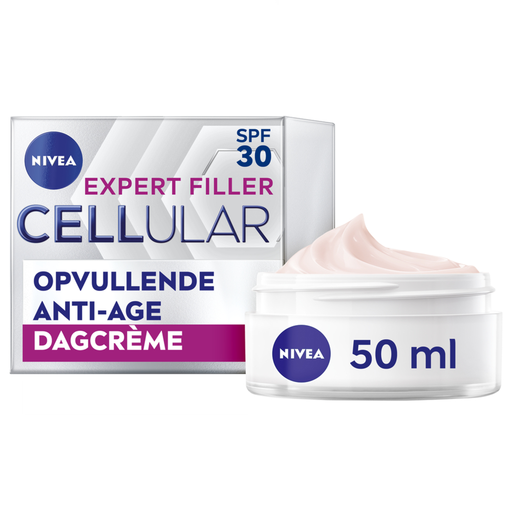
Why it's a good match: A straightforward morning cream for those who want to combine hydration, anti-ageing care and SPF in a single product. The pot contains 50 ml.
The SPF 30 rating and the combination of glycerine, folic acid and sodium hyaluronate are listed in the product information. Be sure to check the packaging for the most up-to-date ingredients list.
SPF 30, hyaluronic acid and suitable for daily use on the face, neck and décolletage.
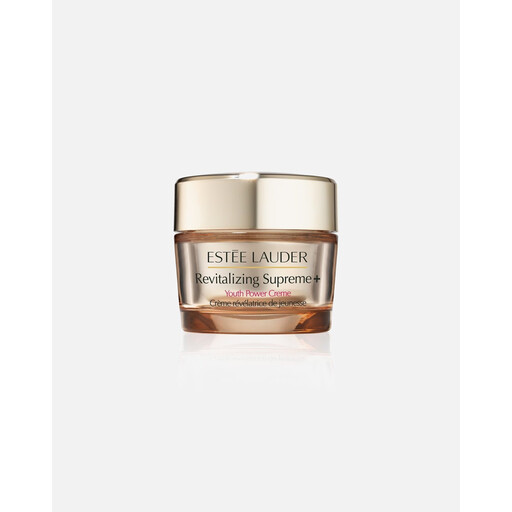
Why it's a good match: For users looking for a richer cream and a larger size. The product description mentions it helps with firmness, radiance and hydration.
The choice is based on verifiable details like the 75 ml volume, cream consistency and the listed ingredients: hibiscus and moringa extracts, hyaluronic acid and cactus extract.
75 ml volume and a formula that, according to Estée Lauder, supports up to 72 hours of hydration.
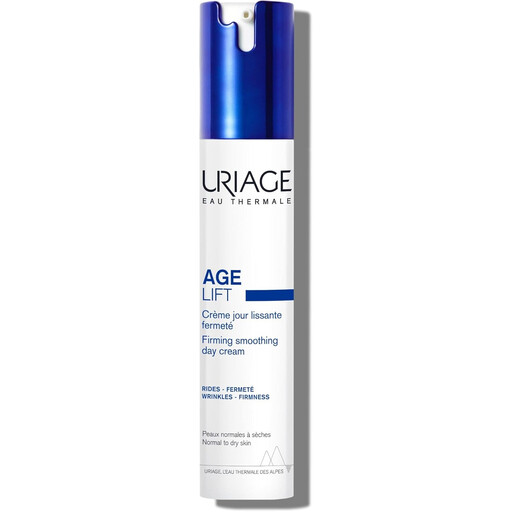
Why it's a good match: Aimed at users looking for a fragrance-free formula with retinol, hyaluronic acid and shea butter. The product details state it is suitable for normal, dry and sensitive skin.
According to the product information, the formula is fragrance-free, non-comedogenic and suitable for sensitive skin. The usage instructions advise applying it less frequently if irritation occurs.
Retinol, hyaluronic acid and shea butter; 40 ml tube and listed as alcohol-free and paraben-free.
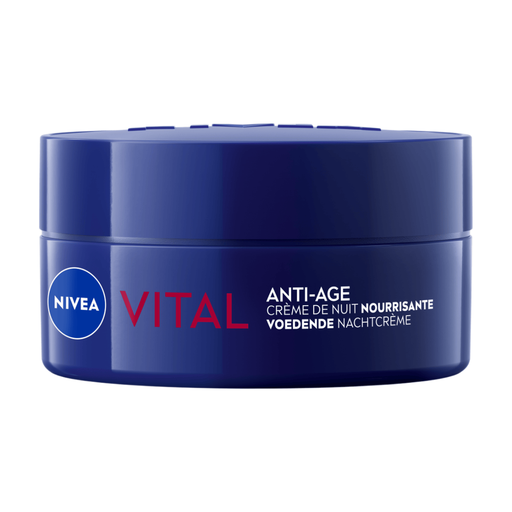
Why it's a good match: A rich night cream for those with mature skin who are looking for extra nourishment and hydration, especially in the evening.
The formula is clearly positioned as a night cream and, according to the product information, contains ingredients like glycerine, shea butter, squalane, avocado oil and grapeseed oil.
Rich texture, 50 ml volume and ingredients suited to a nourishing evening skincare routine.
We have compiled a complete, up-to-date list of products that fully meet these strict selection criteria and comply with current European safety regulations.
Look for a cream containing glycerine, shea butter, squalane or oils. A richer texture is usually more comfortable for dry skin. If you have sensitive skin, also check for perfume and other potential triggers.
That depends on the situation. For short periods outdoors each day, the SPF in a day cream can be practical. For strong or prolonged sun exposure, a separate sunscreen with adequate protection is a wiser choice. Always follow the instructions on the label.
With daily use, a 50 ml jar can last from several weeks to a couple of months, depending on how much you apply and whether you also use it on your neck and décolletage. Check the packaging for the official shelf life and period-after-opening information.
