
Vandaag of morgen in huis

Kwaliteit gegarandeerd

Welkomstaanbiedingen ontgrendelen: GRATIS bezorging | Tot 80% korting | Gratis 30 dagen JoyPlus-proefperiode
Download de app
Buying an anti-ageing face cream seems simple until you start comparing ingredient lists and marketing claims. One cream focuses on hydration, another on firming or protection from UV rays. Terms such as “lifting”, “collagen boost” and “instant results” don’t always tell you what to expect from a product.
Use this practical guide to focus on product information you can check. It can help you avoid choosing a cream that feels too heavy, is too active or isn’t suitable for your skin.
Brands often use terms such as “visibly lifting” or “reduces wrinkles”. These are descriptions from a product’s marketing, not a guarantee for every user. For example, according to Estée Lauder’s own research, some participants said their skin felt firmer or looked more lifted. These results won’t necessarily apply to every skin type.
So start by checking the formula, skin type recommendation, how often to use it and safety information. A cream may make skin look temporarily smoother thanks to moisturising or film-forming ingredients, without deep wrinkles disappearing.
A cream containing retinol, pro-retinol, AHA or BHA may appeal if you want to target fine lines and uneven skin texture. However, active ingredients can cause redness, dryness or tightness for some users.
Start with a cream that has clear instructions for use. If you’re using an active formula, introduce it gradually and stop if irritation persists. Avoid contact with your eyes and always check the packaging for the full ingredients list and any warnings.
An anti-ageing day cream with SPF 25 or SPF 30 can be convenient for everyday use. However, the level of protection you get depends on how much product you apply, how often you reapply it and how long you spend in the sun. For longer periods outdoors, a separate sunscreen is often more practical.
An anti-ageing night cream usually doesn’t contain SPF and is mainly designed for comfort, nourishment and hydration. So during the day, use a product with a suitable sun protection factor.
If you have dry or mature skin, a richer cream with shea butter, jojoba oil, glycerine or hyaluronic acid may feel comfortable. Normal or combination skin may respond better to a gel-cream or light lotion.
Look out for these practical pointers:
“Suitable for all skin types” is a broad product claim. Still check the texture and ingredients, especially if your skin reacts quickly to fragrance or alcohol.
A cream with hyaluronic acid mainly helps the skin retain moisture and can make fine lines caused by dryness less noticeable. Retinol and retinoid-like ingredients are often used in creams with retinol or pro-retinol. However, the concentration and form aren’t always listed, so don’t compare products by name alone.
Peptides, niacinamide, vitamin C and bakuchiol are also commonly found in firming face creams. The effects described by the brand depend on the product. So focus on the INCI list, instructions for use and how well your skin tolerates it.
A face cream for mature skin isn’t always recommended for the neck. If you want to care for your jawline and neck too, choose a face and neck cream specifically, or check that the product description says it can be used on both the face and neck.
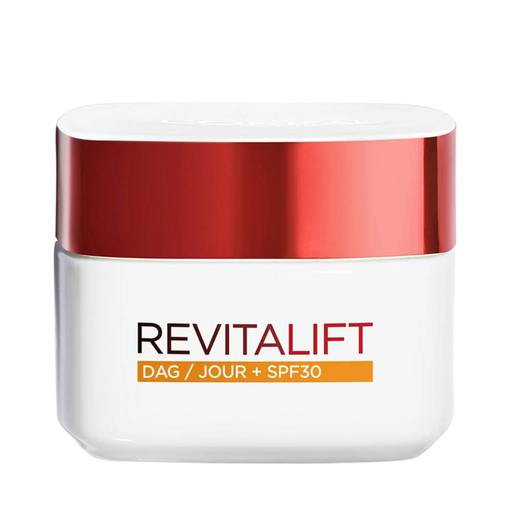
Why it suits this profile: A straightforward day cream for anyone who wants to combine hydration and SPF in one step.
The SPF 30 is clearly stated, so you don’t have to rely solely on a general anti-ageing claim.
50 ml; designed as a day cream; the product description mentions pro-retinol and SPF 30.
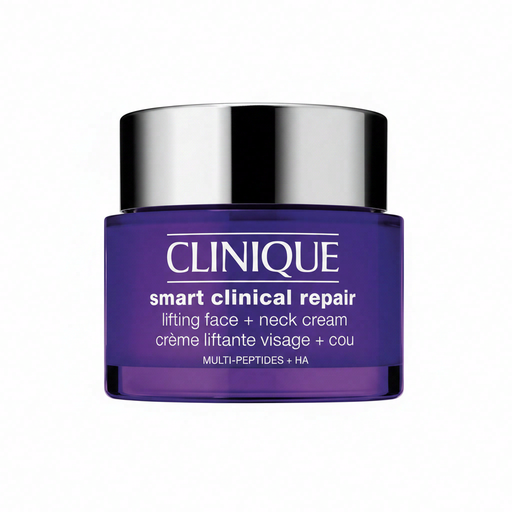
Why it suits this profile: A good choice if a fragrance-free formula and generous size are important to you.
The product information specifies that it is fragrance-free and can be used on the face and neck, rather than relying on a general lifting promise.
75 ml; fragrance-free; the ingredients list includes sodium hyaluronate and several peptides.
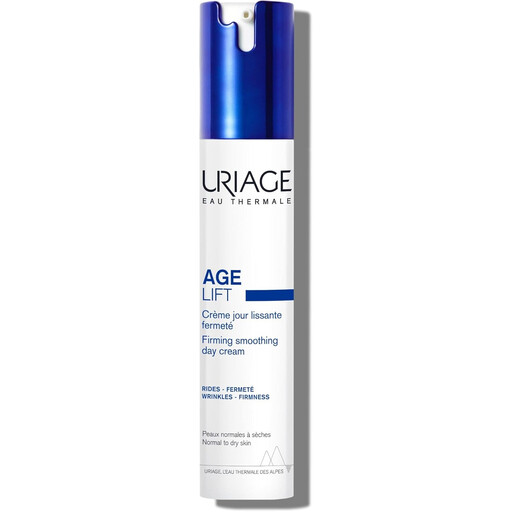
Why it suits this profile: For anyone specifically looking for a formula with retinol, hyaluronic acid and a nourishing texture.
The instructions say to reduce how often you use it if irritation occurs. This makes it clearer how to use an active formula.
40 ml; fragrance-free according to the product specifications; stated as suitable for normal, dry and sensitive skin.
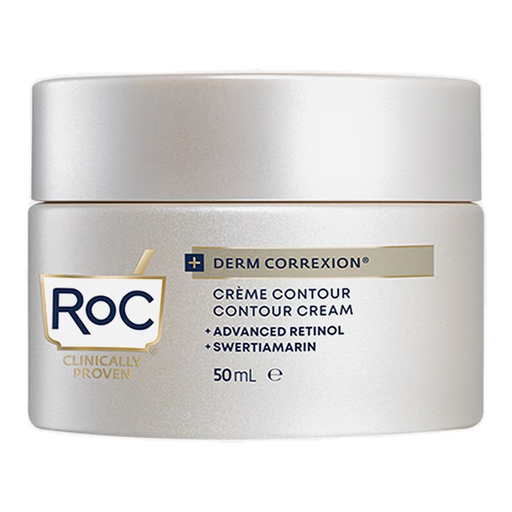
Why it suits this profile: An option if you’re looking for a richer cream for your face, neck and jawline.
The product description clearly states where and when to use it: on the face, neck and jawline, in the morning and/or evening.
50 ml; cream texture; the product specifications mention firming, hydration and use on mature skin.
We’ve put together a complete, up-to-date list of products that meet these strict selection criteria and current European safety regulations.
It depends on the formula. A simple moisturising cream can usually be used every day. For retinol, pro-retinol, AHA or BHA, it’s best to follow the instructions on the packaging and introduce the product gradually. Use a suitable SPF during the day and stop if irritation occurs.
Check the expiry date or the period-after-opening symbol on the packaging. An opened pot or tube may change in smell, colour or texture. Close the packaging properly and store the cream according to the manufacturer’s instructions, ideally away from direct sunlight and extreme heat.
No. The price doesn’t automatically tell you whether a cream is right for your skin. Compare the size, ingredients, SPF, fragrance-free status, packaging and recommended areas of use. An affordable anti-ageing day cream may make more sense if you’re mainly looking for hydration and sun protection, while a richer cream may be a better fit for dry or mature skin.
