
Vandaag of morgen in huis

Kwaliteit gegarandeerd

Welkomstaanbiedingen ontgrendelen: GRATIS bezorging | Tot 80% korting | Gratis 30 dagen JoyPlus-proefperiode
Download de app
Choosing an anti-ageing face cream might seem straightforward – until you’re comparing dozens of promises side by side. Words like “lifting”, “rejuvenating” and “collagen boost” don’t tell you much on their own. The right choice depends largely on your skin type, the ingredients list, when you’ll use it, and the protection it offers during the day.
For a mature or sensitive skin in particular, the wrong choice can leave you with a tight feeling, irritation, or a cream that sits unused in the bathroom cabinet. With these practical checkpoints, you can compare an anti-wrinkle cream based on verifiable product information rather than marketing claims alone.
A firming face cream may, according to the product description, make the skin feel smoother or firmer. That doesn’t mean wrinkles or sagging skin will reduce in the same way for everyone. Results depend on factors including skin type, age, frequency of use, and the rest of your skincare routine.
So pay attention to what is actually stated:
Are percentages or timeframes mentioned? Treat those as information from the brand’s research, not as a personal guarantee. With Estée Lauder, for example, it states that certain clinical results come from the brand’s own research. According to Estée Lauder’s own studies, participants reported, among other things, a firmer appearance and fewer visible wrinkles.
A face cream with retinol or pro-retinol is often chosen for fine lines and uneven skin texture. However, retinol products may be less suitable if your skin reacts quickly or if you are combining several active products.
When using a retinol cream, start with a small amount and use the product according to the label. Don’t introduce several new products at once. During the day, a separate sunscreen or an SPF day cream is important. Stop if you experience persistent redness, a burning sensation or any other irritation, and always check the ingredients list.
A day cream with SPF 30 can be practical for daily use. However, the protection depends on the amount applied and reapplication. For prolonged sun exposure, swimming or sweating, a separate sun product is often more convenient. No sun product offers complete protection against UV radiation.
A dry or mature skin often benefits from a richer cream with moisturising and soothing ingredients. Look, for example, for glycerine, hyaluronic acid, shea butter, squalane or ceramides. A hydrating face cream with a rich texture is particularly suited to dry skin and for evening use.
A normal or combination skin may respond better to a fast-absorbing cream. If you have sensitive skin, check extra carefully for fragrance, alcohol and known allergens. “Dermatologically tested” describes a test of the product, but is not a guarantee that every skin will tolerate it without issue.
The position of an ingredient in the list gives an indication of the amount, but doesn’t tell you everything about the formula or its effectiveness.
A night cream for wrinkles doesn’t need to contain SPF and can have a richer texture. A day cream, on the other hand, should sit comfortably under make-up and ideally contain UV filters if that’s what you’re looking for.
Also pay attention to:
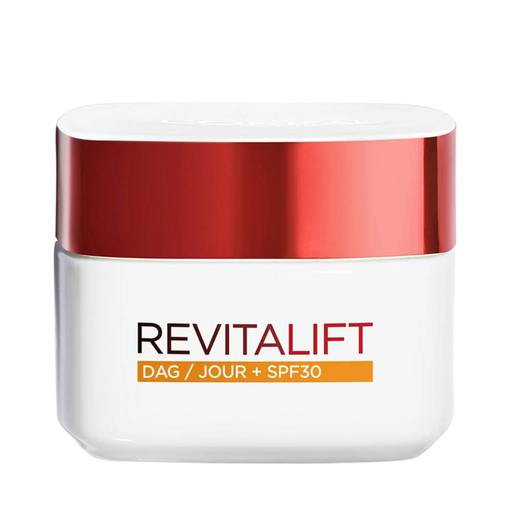
Why this fits the profile: A straightforward daily routine with 50 ml and SPF 30, ideal for anyone looking for a first day cream for wrinkles.
The product information clearly states daytime use, SPF 30 and pro-retinol. So you can see in advance what the cream is intended for.
50 ml, SPF 30 and a pump dispenser according to the product specifications.
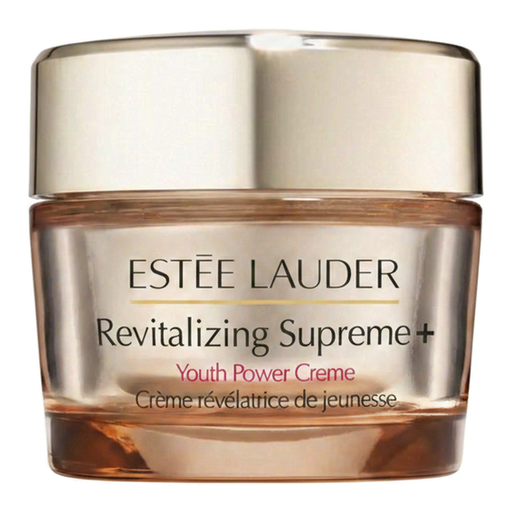
Why this fits the profile: Suits anyone looking for a richer daily cream with an extensive formula for hydrating and caring for the face and neck.
The specifications mention the size, cream consistency, skin suitability and ingredients such as hyaluronic acid. According to Estée Lauder’s own research, the clinical outcomes stated are based on brand studies.
50 ml, suitable for all skin types according to the product information, and a fast-absorbing texture.
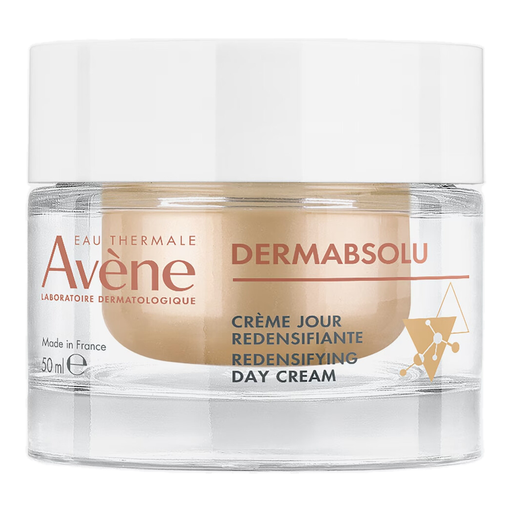
Why this fits the profile: The product information focuses on mature skin and mentions use for the face, neck and décolletage, with a rich, nourishing texture.
The formula lists bakuchiol, glycerine and shea butter in the ingredients list. Still check that list if you are sensitive to a particular component.
50 ml, intended for mature skin and use on the face, neck and décolletage according to the product specifications.
We’ve put together a full, up-to-date list of products that fully meet these strict selection criteria and comply with current European safety regulations.
Choose a formula with a clear ingredients list and limit the number of active products in your routine. A fragrance-free or simply formulated hydrating face cream can be a practical starting point. Test a new product on a small area of skin first and follow the warnings on the packaging.
Not always. A night cream often has a richer texture and may contain ingredients you’d prefer not to use during the day, such as retinol. A day cream, on the other hand, can focus on comfort and SPF. If you want a simple routine, you can start with one suitable cream and add a separate night care product later.
That depends on the amount, how you use it and the size of the packaging. A 50 ml product used sparingly every day will generally last longer than a 20 or 30 ml tube. Check the expiry information and the period after opening on the packaging. Don’t use more cream than necessary: a thin, even layer is usually sufficient according to the instructions for use.
