
Vandaag of morgen in huis

Kwaliteit gegarandeerd

Welkomstaanbiedingen ontgrendelen: GRATIS bezorging | Tot 80% korting | Gratis 30 dagen JoyPlus-proefperiode
Download de app
Wrinkles, fine lines, dryness and loss of firmness don’t all call for the same skincare. An anti-ageing face cream should suit your skin type, routine and the ingredients your skin tolerates well. The product name alone doesn’t tell you much: terms such as “lifting”, “firming” and “collagen” can refer to very different formulas.
So focus on the ingredients list, directions for use and whether the product is suitable for your skin. This can help you avoid spending money on an expensive cream that’s too rich, too strong or simply not nourishing enough.
Words such as “lifting”, “anti-wrinkle” and “collagen cream” often describe what a product is designed to do, but they don’t guarantee visible results for everyone. According to some brands’ product descriptions, ingredients such as retinol, peptides or hyaluronic acid can help give skin a smoother or plumper appearance. That’s not the same as a medical or lasting effect.
Instead, look for verifiable information, such as the retinol percentage, net weight, whether the product contains fragrance and how often it’s recommended for use.
Combining a retinol cream with a product containing AHA, BHA and vitamin C may be too much for some skin types. Sensitive or dry skin can feel tight or become irritated as a result. Start with one active product and use it as directed on the label. Stop if irritation persists, and ask a doctor or pharmacist for advice if you’re unsure.
A cream for fine lines doesn’t necessarily contain sun protection. During the day, use a separate sunscreen with an appropriate SPF. A moisturising face cream containing glycerine, hyaluronic acid, shea butter or ceramides can also help relieve dryness and support the skin barrier.
A rich cream is often better suited to dry, mature skin or use as a night cream. A gel cream may feel more comfortable on combination or oily skin. Check the size, too: the products below range from 40 ml to 75 ml, for example.
A tube generally limits contact with the product inside. If you use a jar, good hygiene is important: wash your hands before applying the cream. Keep cosmetics closed, cool and out of direct sunlight. Also check the expiry information and the period-after-opening symbol on the packaging.
Cleanse your face gently, apply a serum if you wish, then finish with your face cream. It’s best not to use retinol every day straight away. Always follow the instructions on the packaging and use sun protection during the day. If your skin is sensitive, test a new product on a small area first.
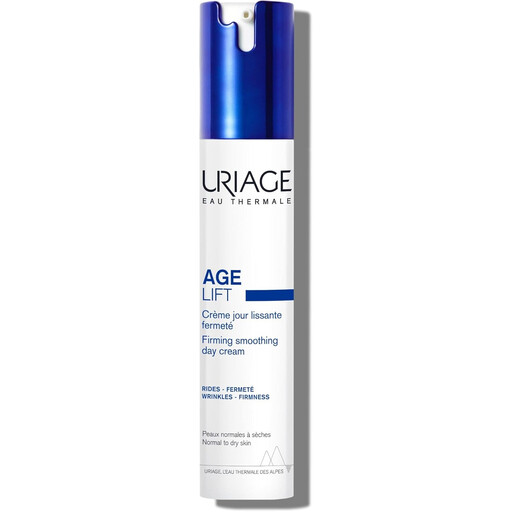
Why it suits this profile: This cream combines retinol, hyaluronic acid and shea butter in a formula that, according to the product information, is suitable for normal, dry and sensitive skin. The tube contains 40 ml.
The product page gives clear directions for use: reduce the frequency if irritation occurs and avoid contact with the eyes. This helps you introduce retinol gradually.
Retinol, hyaluronic acid and shea butter; according to the product information, it’s fragrance-free, alcohol-free and non-comedogenic.
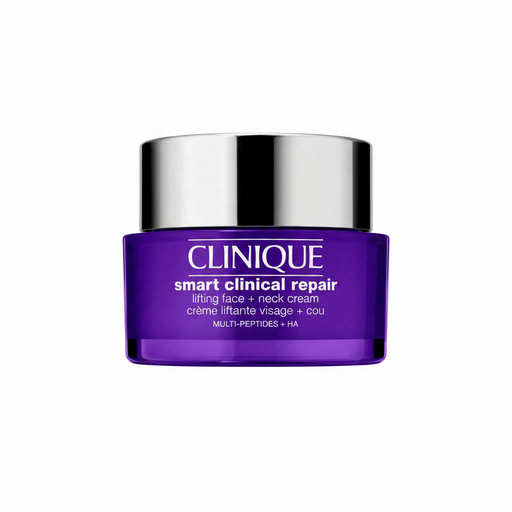
Why it suits this profile: This cream is designed for the face and neck and, according to the product description, contains several peptides, hyaluronic acid and jojoba oil. The formula is intended to care for mature skin.
The product information states that it’s fragrance-free and describes use in the morning and evening. Always check the current ingredients list on the packaging, though.
50 ml for the face and neck; according to the product details, it’s fragrance-free, paraben-free and suitable for all skin types, including sensitive skin.
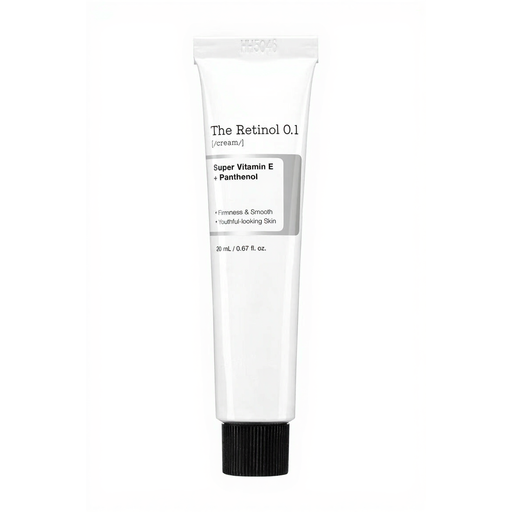
Why it suits this profile: With 0.1% retinol and a compact size, this retinol cream is aimed at people who want to build an active evening routine with care.
The retinol percentage is clearly stated, making it easier to distinguish this formula from creams that refer to anti-ageing only in general terms.
0.1% retinol; the product description also mentions hyaluronic acid and panthenol for extra hydration.
We’ve put together a complete, up-to-date list of products that meet these strict selection criteria and the applicable European safety regulations.
It depends on the formula. You can usually use a moisturising face cream without strong active ingredients every day, following the label. With a retinol cream, it’s best to start with a few evenings a week and increase use only if your skin tolerates it well.
Check the expiry date and the period-after-opening symbol on the packaging. Close the jar or tube after use and keep the product out of direct sunlight. If its smell, colour or texture changes, stop using it.
It can be, but check the ingredients and directions for use first. A fragrance-free cream designed for sensitive skin may be a practical choice. Introduce new products one at a time, test carefully on a small area of skin and stop if irritation occurs.
