
Vandaag of morgen in huis

Kwaliteit gegarandeerd

Welkomstaanbiedingen ontgrendelen: GRATIS bezorging | Tot 80% korting | Gratis 30 dagen JoyPlus-proefperiode
Download de app
Wrinkles, fine lines, pigmentation, a dull complexion or skin that feels tight: an anti-ageing face cream can support several skin needs at once. However, an expensive jar is not automatically the right choice. The formula, when you use it and your skin type all play a much bigger role.
Pay particular attention to these three common pitfalls:
Marketing claims without a clear ingredients list
Terms such as “rejuvenating” or “regenerating” mean little without a complete INCI list, concentration or usage guidance. Check which active ingredients are actually listed.
Using too many active ingredients at once
Combining a retinol cream, AHA, BHA, vitamin C and pigmentation cream can leave your skin feeling uncomfortable. It is better to start with one targeted formula and build up gradually.
Confusing SPF with complete sun protection
A day cream with SPF 30 can be convenient for everyday use. However, check that UVA and UVB protection are explicitly stated and apply enough product. For prolonged sun exposure, additional sun protection is advisable.
An anti-wrinkle cream does not work according to one fixed principle. Look for ingredients that match your main skin concern:
A day cream should sit comfortably under make-up and may contain SPF. A night cream is often richer and designed for use without a sun filter. Retinol products are generally used only in the evening. Always follow the manufacturer’s instructions on the label.
Pay attention to warnings when using active ingredients. For example, do not automatically use several retinol, AHA or BHA products at the same time. Test a new cream on a small area of skin first. Stop using it if you experience persistent redness, itching, swelling or a burning sensation.
Check the following before buying:
A cream for mature skin is not necessarily rich or heavy. A lightweight texture can also be suitable, as long as it provides enough comfort. Conversely, a nourishing formula may feel less comfortable on oily or combination skin.
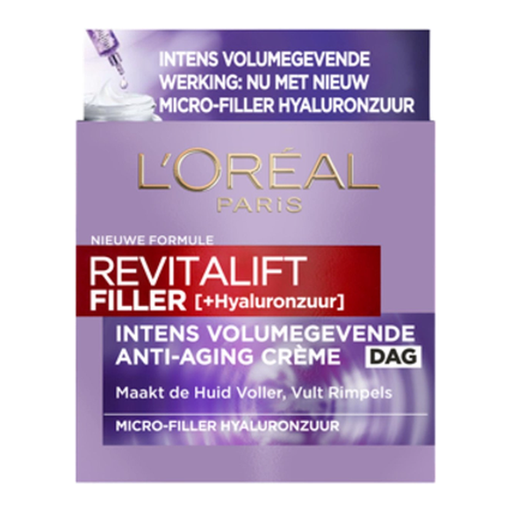
Why it suits this profile: According to the product description, this day cream focuses on hydration with hyaluronic acid and is intended for everyday use.
The product information mentions hyaluronic acid and a daily morning routine, so the choice does not have to be based solely on a general anti-wrinkle claim.
50 ml; day cream; hyaluronic acid is mentioned as a key ingredient in the description; suitable for use on the face and neck.
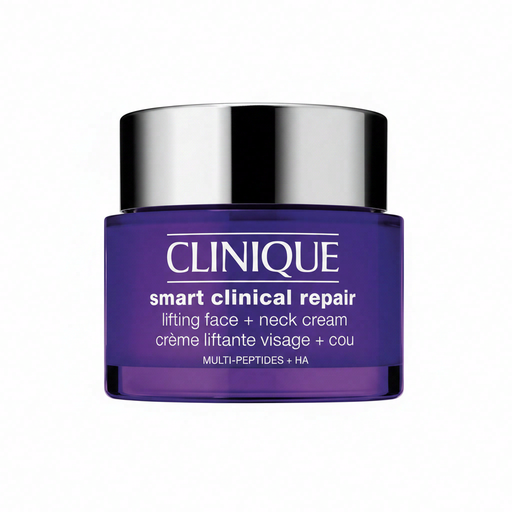
Why it suits this profile: The formula combines hydration with SPF 30 and, according to the product details, is fragrance-free and suitable for all skin types.
The stated SPF factor, fragrance-free formula and product contents are verifiable features alongside the broader brand claims.
75 ml; SPF 30; fragrance-free; contains sodium hyaluronate, among other ingredients; suitable for the face and neck.
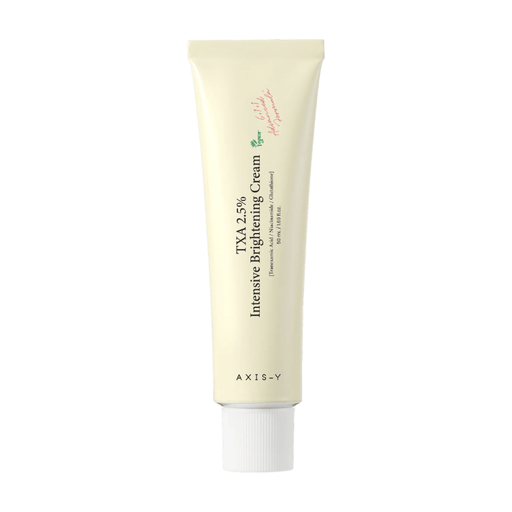
Why it suits this profile: The formula is designed to promote a more even complexion and, according to the ingredients list, contains 2.5% tranexamic acid, niacinamide and several forms of hyaluronic acid.
The choice is based on the listed ingredients rather than solely on the term “brightening”. The product information also recommends using SPF 30 or higher during the day.
50 ml; 2.5% tranexamic acid; niacinamide; ceramide NP; three forms of hyaluronic acid.
We have put together a complete, up-to-date list of products that fully meet these strict selection criteria and the applicable European safety regulations.
That depends on the formula. A hydrating day cream can usually be applied daily. It is better to introduce a retinol cream or AHA cream gradually, following the label. Use SPF during the day when using active ingredients that may increase sensitivity to sunlight.
Not always. A night cream is particularly useful if your skin needs more nourishment or comfort in the evening. A day cream may contain ingredients intended for daytime use, such as SPF. A retinol product generally belongs in your evening routine. Choose based on the formula and when you intend to use it, rather than the name alone.
A 50 ml pack can last anywhere from several weeks to several months with daily use, depending on how much you apply and whether you also care for your neck and décolletage. Use the recommended amount and check the period after opening on the packaging. Store the cream in a cool, dry place away from direct sunlight.
