
Vandaag of morgen in huis

Kwaliteit gegarandeerd

Welkomstaanbiedingen ontgrendelen: GRATIS bezorging | Tot 80% korting | Gratis 30 dagen JoyPlus-proefperiode
Download de app
Buying an anti-ageing face cream seems straightforward, until you start comparing ingredients, skin types and when to use it. Some formulas focus mainly on hydration, while others contain retinol or peptides. A higher price doesn’t automatically mean a cream is right for your skin, either.
As a Joybuy Product Recommendation Officer, I filter product information by verifiable features. That way, you can look beyond eye-catching packaging and bold marketing claims.
Terms such as “lifting”, “regeneration” and “collagen boost” sound convincing, but don’t tell you much without a full ingredients list and clear instructions for use. A brand’s own research may suggest that certain ingredients can make skin look smoother, plumper or firmer. That doesn’t guarantee the same results for everyone.
So, look out for:
Retinol is a form of vitamin A often used in anti-wrinkle creams and creams for fine lines. However, it can cause irritation, dryness or redness, especially if you’re new to it.
Start with a small amount in the evening, and don’t use the product every day from the outset. At first, it’s best not to combine a retinol cream with several exfoliating products containing AHAs or BHAs. If you use retinol, include suitable sun protection in your daytime routine. Always follow the warnings on the packaging. If you’re pregnant or breastfeeding, it’s wise to consult a doctor.
Dryness can make fine lines more noticeable. A hydrating face cream with glycerine, hyaluronic acid, panthenol or squalane can help your skin feel more supple. That doesn’t mean a face cream with hyaluronic acid literally fills in wrinkles. Its main purpose is to help retain moisture and leave the skin’s surface looking smoother.
A rich cream with oils, shea butter or richer emollients can feel good on dry skin, especially as a night cream for wrinkles. A gel cream with a lighter texture may be a better fit for oily or combination skin.
If your skin is sensitive, it’s worth checking for fragrance and known allergens. “Dermatologically tested” is a product feature, but it doesn’t guarantee that everyone’s skin will tolerate the product. If you’re unsure, test a small amount on a limited area of skin first.
Compare more than just the price: 20 ml, 50 ml and 60 ml aren’t like for like. A pump bottle can be practical and limits contact with the product. If it comes in a jar, take extra care to use it hygienically.
Also check whether the cream is intended for morning, evening or both. A day cream with SPF may offer protection, according to the product description, but check the stated SPF and apply enough sun protection when you’ll be outdoors for a long time.
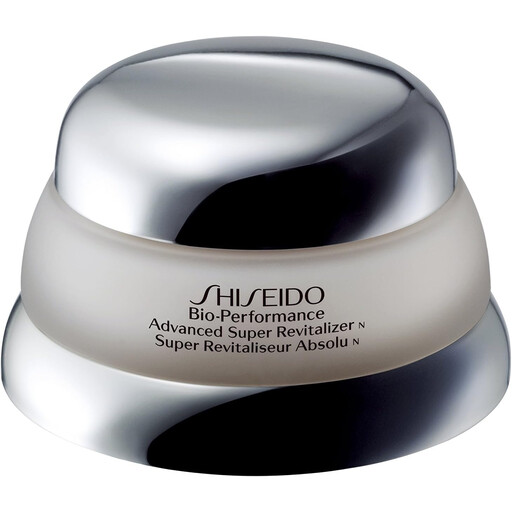
Why it suits this profile: This 50 ml face cream is for anyone who values a luxurious skincare routine and is considering a premium option in anti-ageing skincare.
This choice is based on the stated size and positioning, not on unproven results or claims of universal effectiveness.
50 ml size and a product listed as a face cream.
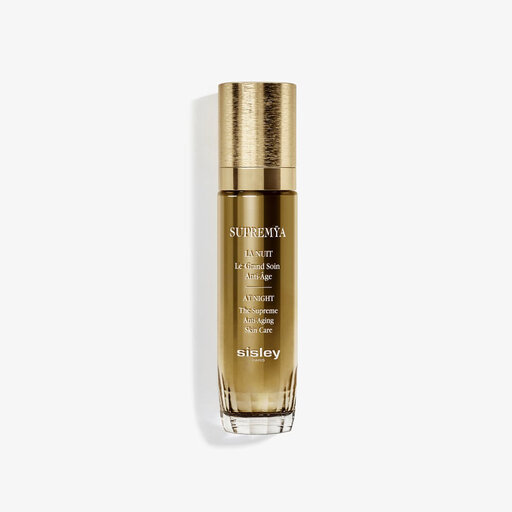
Why it suits this profile: This night cream for wrinkles is designed for evening use. According to the product information, it has a light, fluid texture and a floral scent.
Its intended use is clearly defined as night-time skincare. Check whether the fragrance suits your skin and preferences.
50 ml, night-time skincare and a light, fluid consistency according to the product details.
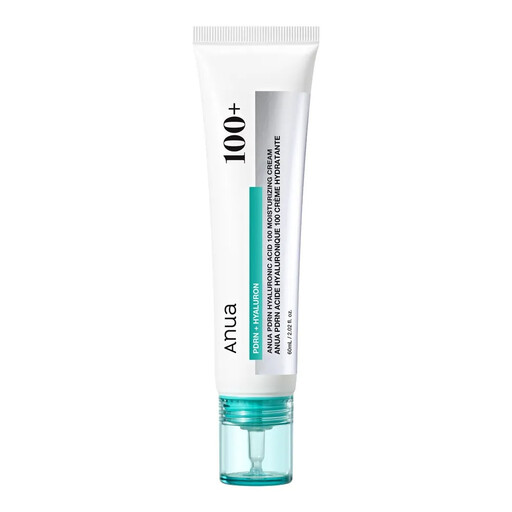
Why it suits this profile: An option if you’re looking for a face cream with hyaluronic acid that, according to the product information, can be used both morning and evening.
The product information clearly lists the ingredients and when to use it, so you can compare the formula with your skin’s needs.
60 ml size, with squalane, glycerine, collagen and several forms of hyaluronic acid listed as ingredients.
We’ve put together a complete, up-to-date list of products that meet these strict selection criteria and current European safety regulations.
There’s no set age to start. From around 25, many people opt for preventative hydration and daily sun protection. If you notice dryness or fine lines, you can add a suitable hydrating face cream. Retinol calls for more care than a simple moisturiser.
It depends on the size and how much you use each time. A 20 ml product will run out sooner with daily use than a 50 or 60 ml option. Check the expiry date and the period after opening on the packaging. Has the scent, colour or texture changed? Stop using the product.
You generally can as part of a skincare routine, as hyaluronic acid is mainly used for hydration. Apply retinol in the evening as directed, and pair it with a simple hydrating cream. At first, avoid using several potent active ingredients at the same time, and stop if irritation persists.
