
Vandaag of morgen in huis

Kwaliteit gegarandeerd

Welkomstaanbiedingen ontgrendelen: GRATIS bezorging | Tot 80% korting | Gratis 30 dagen JoyPlus-proefperiode
Download de app
Wrinkles, fine lines, dryness and loss of firmness don’t all call for the same kind of skincare. An anti-ageing face cream can help your skin feel more comfortable and improve the appearance of dry lines, dullness or uneven texture. The right choice depends mainly on your skin type, the ingredients and when you use the cream.
However, many consumers pay for promises that aren’t right for their needs. Look out for these three common pitfalls:
A hydrating anti-ageing cream often contains humectants such as glycerine, hyaluronic acid or sodium hyaluronate. This means a face cream with hyaluronic acid may be suitable if tightness and dry lines are your main concerns. Hyaluronic acid doesn’t permanently fill wrinkles; it mainly helps to retain moisture in the upper layers of the skin.
Peptides, niacinamide, ceramides and plant extracts are also common ingredients. According to a brand’s own research or product claims, these ingredients may help give skin a smoother, firmer or more radiant appearance. Don’t treat such claims as a guarantee. Also check the full ingredients list if you’re sensitive to fragrance, alcohol, essential oils or certain preservatives.
A face cream with retinol needs extra care. Retinol can cause sensitivity or irritation, so follow the product instructions and introduce it gradually. During the day, use a separate sunscreen if the cream itself doesn’t contain a suitable SPF.
The term firming face cream doesn’t tell you much about the formula on its own. Check the specific ingredients, how often to use it and whether it’s intended for your face, neck or both.
A face cream with SPF can simplify your morning routine. Check that the stated protection suits your daily exposure to sunlight. If you’ll be outdoors for a long time, you may need additional sunscreen. An SPF cream is also not the same as a night cream.
Pay attention to the packaging, too. A tube limits contact with air and fingers. A jar can be convenient to use, but make sure your hands are clean or use a spatula. Check the expiry information and period-after-opening guidance on the packaging. Stop using the product if you experience persistent redness, itching, swelling or a burning sensation, and follow the manufacturer’s safety information.
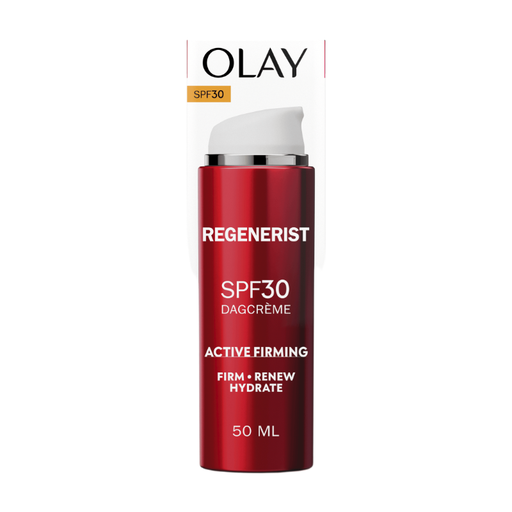
Why it suits this profile: A practical day cream for anyone looking to combine hydration and everyday UV protection in one step.
The SPF30 is clearly stated, so you don’t have to rely solely on a general anti-ageing claim. Check the packaging for the latest directions for use.
Contains niacinamide, glycerine, panthenol and aminopeptides; designed as a day cream for dry skin.
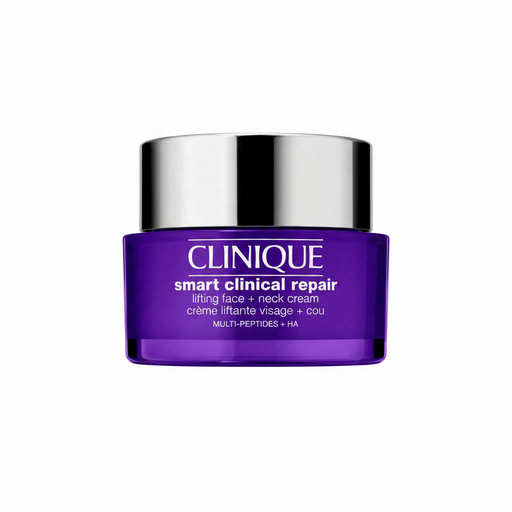
Why it suits this profile: A good choice if you’re looking for one fragrance-free cream for your face and neck, and value a nourishing texture.
The product information describes it as fragrance-free, non-comedogenic and suitable for all skin types. That makes it easier to assess than relying on the word “lifting” alone.
Contains several peptides, sodium hyaluronate and jojoba oil; designed for the face and neck.
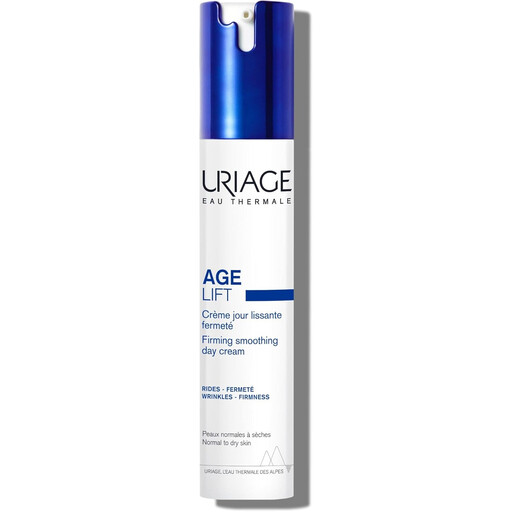
Why it suits this profile: For anyone specifically looking for a cream with retinol, hyaluronic acid and shea butter, and prepared to monitor how their skin responds.
The directions advise applying it less often if irritation occurs. Check the latest ingredients list on the packaging, especially if you want to avoid retinol.
According to the product information, it’s fragrance-free, alcohol-free and non-comedogenic; intended for normal, sensitive and dry skin.
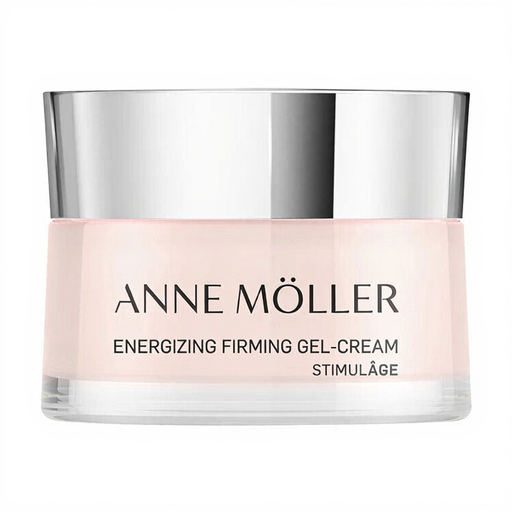
Why it suits this profile: According to the product information, this oil-free gel-cream is designed for all skin types, including oily skin.
The formula is described as oil-free, so you don’t automatically have to choose a heavy cream for firming skincare.
Contains glycerine, a vitamin E derivative and acetyl tetrapeptide-9; comes in a 50 ml tube and is described as vegan in the product information.
We’ve put together a complete, up-to-date list of products that meet these strict selection criteria and the applicable European safety requirements.
Follow the instructions on the label. Many day creams are used once in the morning; other products are suitable for morning and evening. If you’re using an active formula, such as a cream with retinol or exfoliating acids, consider starting less often. Stop if irritation occurs and check the safety information.
Check the expiry date and the period-after-opening symbol on the packaging. Keep the cream closed, somewhere dry and out of direct sunlight. If its smell, colour, texture or the way your skin reacts changes, stop using the product.
That depends on the SPF, how much you apply and how long you’re outdoors. A day cream with SPF30 can be handy for everyday use, but a separate sunscreen may be more suitable if you’ll be outside for a long time, exercising or on holiday. Check whether the packaging states that it protects against both UVB and UVA rays.
