
Vandaag of morgen in huis

Kwaliteit gegarandeerd

Welkomstaanbiedingen ontgrendelen: GRATIS bezorging | Tot 80% korting | Gratis 30 dagen JoyPlus-proefperiode
Download de app
Choosing an anti-ageing face cream sounds simple, until you start comparing ingredient lists, marketing claims and different skin types. Are you looking for a wrinkle cream, a hydrating face cream or perhaps a firming face cream? Then it is important to look beyond words such as “lifting”, “repairing” or “youthful-looking skin”.
The right choice mainly depends on your skin type, how you want to use the product and its active ingredients. Below, you can read about the common pitfalls that often lead to a disappointing purchase and which product specifications to check beforehand.
Vitamin C, retinol, collagen and hyaluronic acid are often prominently displayed on the packaging. However, the presence of a single ingredient says little about the formula as a whole. The concentration, form of the ingredient and combination with hydrating or soothing substances also help determine how pleasant a cream is to use.
For example, a vitamin C cream may contain different vitamin C derivatives. With a retinol cream, the concentration is particularly relevant. Therefore, check the ingredient list and follow the instructions for use on the packaging.
A lifting cream can make the skin feel plumper or smoother through humectants, oils and film-forming ingredients. This is different from a lasting change to the contours of the face. Claims about a firming or lifting effect come from the brand’s product communication; do not regard them as a guaranteed result.
A cream for mature skin can feel comfortable when your skin is dry, but may feel too heavy on oily or combination skin. Conversely, a lightweight gel cream may not provide enough comfort when your skin barrier is dry. Therefore, pay attention to texture, fragrance, oils and ingredients such as glycerine, ceramides and hyaluronic acid.
Match the ingredient to your main need:
A day cream for wrinkles is practical for use in the morning. Check whether it offers UV protection and which SPF is stated. A product with SPF 30, such as the L'Oréal Revitalift Anti-Wrinkle Day Cream SPF 30, can be a convenient combination, but always follow the instructions for applying enough product and reapplying it.
A night cream for wrinkles is often richer and sometimes contains retinol or bakuchiol. Do not use all active ingredients at the same time. A retinol product and exfoliating acids such as AHA and BHA can cause a tight or irritated feeling more quickly when used together.
Check the best-before date and the period after opening, often indicated by an open-jar symbol. A pump dispenser limits contact with air and fingers, while a jar requires hygienic use with a spatula. Test a new cream on a small area of skin first. Stop using it if irritation occurs and avoid contact with the eyes. The current ingredients and warnings on the physical packaging take precedence.
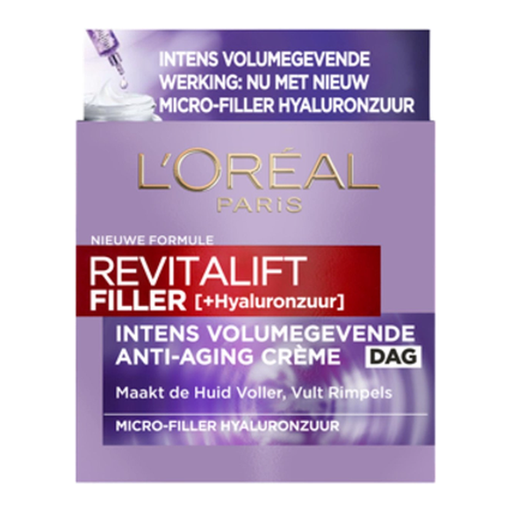
Why it suits this profile: An easy-to-use day cream for anyone looking for daily hydration and a simple routine. The product description mentions hyaluronic acid and use for women over 35.
The intended use, 50 ml size and stated key ingredient are clearly described. This means you do not have to rely solely on a general anti-wrinkle claim.
Contains hyaluronic acid; intended for morning use; 50 ml size.
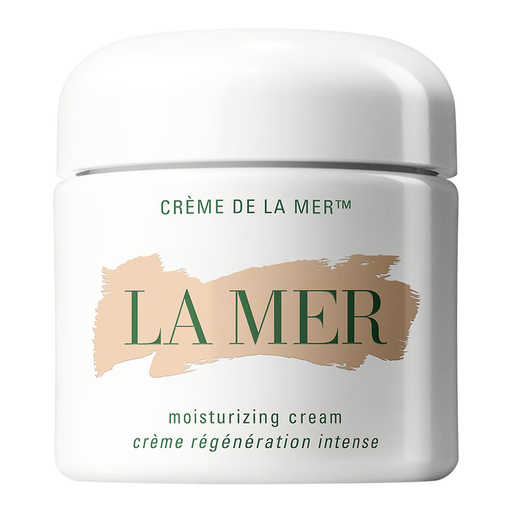
Why it suits this profile: According to the product information, this rich cream is intended for dry skin and contains ingredients including glycerine, mineral oil and petrolatum.
The target audience and texture are clearly described. This helps prevent you from buying a heavy formula when you are actually looking for a lightweight cream.
100 ml size; suitable for morning and evening use; rich formula for dry skin.
We have put together a complete, up-to-date list of products that fully meet these strict selection criteria and the applicable European safety regulations.
You can usually use a hydrating face cream daily, following the instructions on the packaging. With retinol, AHA or BHA, it is better to start gradually. Use a small amount and only increase the frequency when your skin tolerates it well. During the day, using a suitable sunscreen product is important.
Check the expiry date and the open-jar symbol. The shelf life after opening varies by product; some formulas, for example, state 12 or 24 months. Store the cream in a cool, dry place away from direct sunlight. If the smell, colour or texture changes, stop using the product.
No. The price does not determine whether a cream is right for your skin. Compare the size, ingredients, intended use, packaging and any fragrance ingredients. An affordable day cream may be sufficient for daily hydration, while someone with dry skin may prefer a richer formula. Day/night combination? Choose based on verifiable product specifications and your own routine.
