
Vandaag of morgen in huis

Kwaliteit gegarandeerd

Welkomstaanbiedingen ontgrendelen: GRATIS bezorging | Tot 80% korting | Gratis 30 dagen JoyPlus-proefperiode
Download de app
Buying an anti-ageing face cream seems simple, until you have to choose between retinol, hyaluronic acid, ceramides, fruit acids and all kinds of promising claims. A higher price does not automatically mean that a cream is better suited to your skin. Terms such as “lifting”, “repairing” and “cellular” also reveal little about everyday use without a clear ingredients list.
If you are looking for an anti-wrinkle cream or hydrating face cream, it is worth recognising three common pitfalls first.
A brand may report certain improvements based on its own research, such as less visible wrinkles after several weeks. This is not a universal guarantee for every user. Skin type, age, skin condition and frequency of use all play a part. So check whether a claim is supported by a clear testing method, such as a consumer assessment, instrumental measurement or in-vitro test.
A retinol cream or cream containing glycolic acid may be appealing for fine lines and uneven skin texture, but active ingredients can also cause dryness or irritation. It is best to start gradually, avoid using several intensive products at the same time and always follow the instructions on the packaging.
A night cream for wrinkles is not a substitute for daytime protection. If you use a product containing retinol or exfoliating acids during the day, take extra care with sun protection. For sensitive or dry skin, glycerine, panthenol, ceramides and hyaluronic acid are also practical ingredients to look out for. They are designed to support hydration and comfort, without the packaging having to be overly complicated.
Do not focus only on an ingredient listed on the front. Also check the full ingredients list and read the warnings. The information on the physical packaging of the current batch takes precedence, as formulations may change.
A rich cream can feel pleasant as a face cream for dry skin, especially in the evening. A lightweight formula is often more convenient under make-up or SPF. An anti-ageing day cream with SPF can save time, but check the stated SPF and apply enough product. A cream without SPF does not protect against UV radiation.
Do not compare only the price of a jar or tube. Divide the price by the amount of product, for example 20, 40 or 50 ml. Also check the shelf life, the symbol showing the period after opening and the storage instructions. A large jar is not automatically better value if you only use it occasionally or do not like the texture.
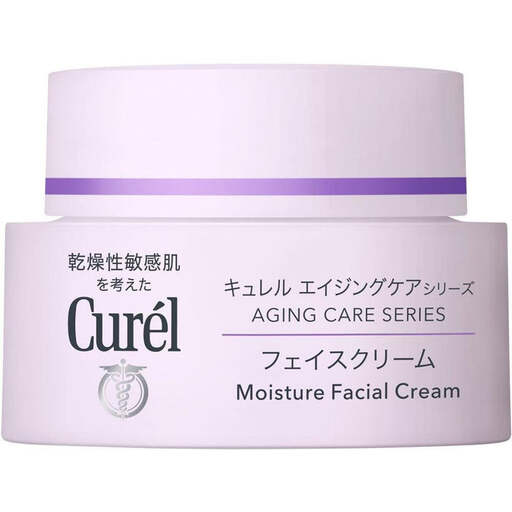
Why it suits this profile: This rich, hydrating formula is intended for daily use and is also described as suitable for sensitive skin.
The product information mentions ceramides and eucalyptus essence, so you do not have to rely solely on a general anti-ageing claim. Check the current packaging when purchasing.
40 g contents; focuses on hydration and the moisture barrier; suitable for daily use according to the product description.
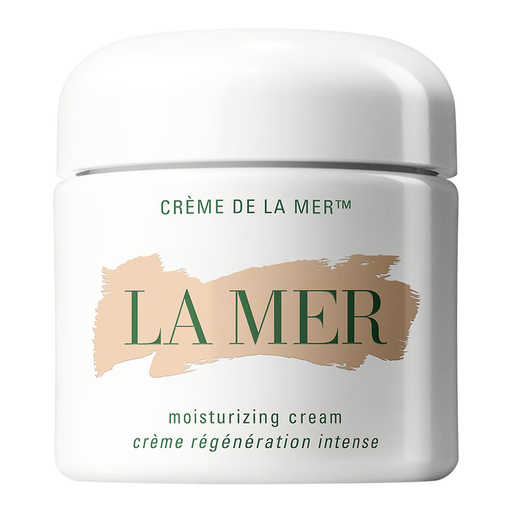
Why it suits this profile: A rich cream for anyone primarily seeking comfort and intensive care for dry skin, and willing to compare the price per millilitre.
The product description explicitly mentions dry skin and instructions to use a small amount. This makes it easier to estimate usage and costs.
100 ml contents; rich texture; ingredients list including glycerine and mineral oil.
A face cream for mature skin does not need to contain every active ingredient at once. A simple hydrating face cream can be a sensible choice if dryness and tightness are your main concerns. If your priority is tackling fine lines, compare the ingredients, concentrations and usage advice rather than focusing solely on the promise on the front of the packaging.
We have put together a complete, up-to-date list of products that fully meet these strict selection criteria and the applicable European safety regulations.
A cream can hydrate the skin, making fine lines temporarily appear less visible. Results vary from person to person. Claims about reducing wrinkles should be viewed as information from the brand, not as a guaranteed outcome.
This depends on the amount of product, how much you use each time and how often you apply it. Look for the symbol showing the period after opening, such as 6M or 12M, and store the product in a cool place away from direct sunlight if advised on the packaging.
Calculate the price per millilitre and estimate how much you need per application. A 20 ml product may appear cheaper on paper, but it may run out faster than a 50 or 100 ml jar. The most economical choice therefore depends on both the purchase price and how much you use.
