
Vandaag of morgen in huis

Kwaliteit gegarandeerd

Welkomstaanbiedingen ontgrendelen: GRATIS bezorging | Tot 80% korting | Gratis 30 dagen JoyPlus-proefperiode
Download de app
Wrinkles, fine lines, dry skin and a dull complexion do not all require the same care. Yet many anti-ageing products are sold with similar promises. A rich cream may feel pleasant, but be too heavy for oily skin. A serum may be lightweight and absorb quickly, but it does not always replace a moisturising face cream. And a day cream with SPF does not automatically provide sufficient protection during prolonged exposure to the sun.
As a Joybuy Product Recommendation Officer, I therefore start by looking at verifiable information: the product type, ingredients list, SPF, skin type and directions for use. This helps you avoid paying mainly for attractive packaging or exaggerated claims.
A cream for fine lines is not automatically suitable for pigmentation, dryness or sensitive skin. Consider the main purpose:
A brand’s own research may make percentages or user results look promising, but such claims do not automatically indicate how your skin will respond. Always check the complete INCI list and follow the instructions on the packaging.
A day cream with SPF, such as SPF25, is practical for everyday use, but the level of protection also depends on how much you apply and how often you reapply it. For the beach, sport or prolonged exposure, a separate sun protection product is often the more sensible choice. An anti-ageing face cream with SPF therefore does not replace a sun protection product in every situation.
A retinol cream, vitamin C cream and niacinamide cream can each have a place in skincare for mature skin. However, you do not need to introduce them all at the same time. Start with one new product, use a small amount and watch for redness, stinging or tightness. Stop if irritation occurs and consult a doctor or dermatologist if symptoms persist.
A day cream is generally designed to provide comfort, hydration and sometimes SPF. A night cream for mature skin often has a richer texture and is intended for evening use. An anti-ageing serum is thinner and is usually applied before your cream. An intensive treatment may have a more specific purpose, such as addressing a dull complexion or rough skin texture.
Also check whether the product is suitable for the face, neck and décolletage. A body balm is not automatically intended for use on the face.
Do not only look at the name on the front. Check whether a named ingredient actually appears in the ingredients list and where it appears in the list. With retinol, 0.1% is a specific product detail, as with The Retinol 0.1 Cream. AXIS-Y lists 2.5% tranexamic acid and niacinamide in its product information.
With vitamin C, pay attention to the form used. Pure ascorbic acid and more stable vitamin C derivatives may require different processing and packaging. A product consisting of two components, such as Medicube Deep Vita C Capsule Cream, requires extra attention to the mixing ratio and shelf life after opening.
For oily or combination skin, a lightweight, oil-free cream may feel more comfortable. According to the product information, Clinique Superdefense SPF25 Multi-Correcting Cream III/IV is described as oil-free and intended for oily skin. For dry or mature skin, a richer cream containing glycerine, shea butter, ceramides or hyaluronic acid may be a better fit.
If you have sensitive skin, check for fragrance, alcohol and potential allergens. ‘Dermatologically tested’ is a product characteristic, but it does not guarantee that everyone will tolerate the product without problems. If in doubt, first carry out a patch test on a small area of skin.
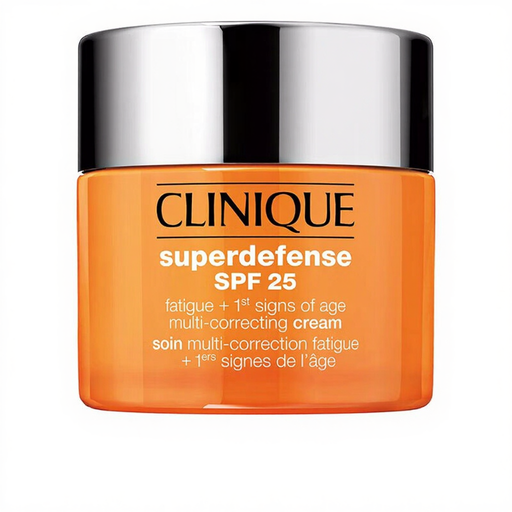
Why it suits this profile: A day cream with SPF25 combines everyday hydration with basic protection, making it practical as the first step in a simple routine.
The product information specifies oily skin, an oil-free formula and SPF25. This makes the texture and level of protection easier to assess in advance.
SPF25, niacinamide in the ingredients list and a fast-absorbing, oil-free formula according to the product description.
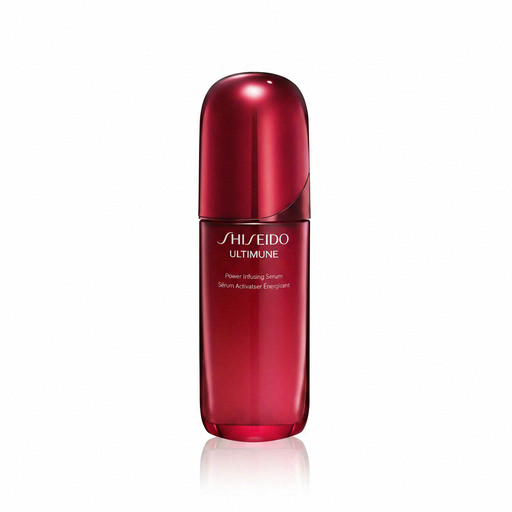
Why it suits this profile: This serum is ideal for anyone wanting to apply a lightweight layer beneath their anti-wrinkle face cream and who values a larger 75 ml size.
The product page explicitly identifies it as a serum, to be used on cleansed skin and the neck. This makes its place in your routine clear.
Lightweight, fast-absorbing texture according to the product description, 75 ml contents and suitable for use in the morning and evening.
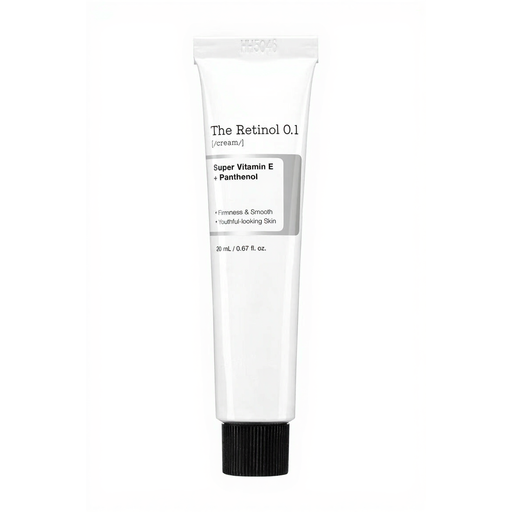
Why it suits this profile: Suitable for users deliberately looking for a retinol cream and willing to introduce this step gradually into their evening routine.
The retinol concentration of 0.1% is clearly stated in the product information. This stops you from relying solely on the word ‘retinol’ on the packaging.
0.1% retinol, plus hyaluronic acid and panthenol according to the product description; designed for fine lines and skin texture.
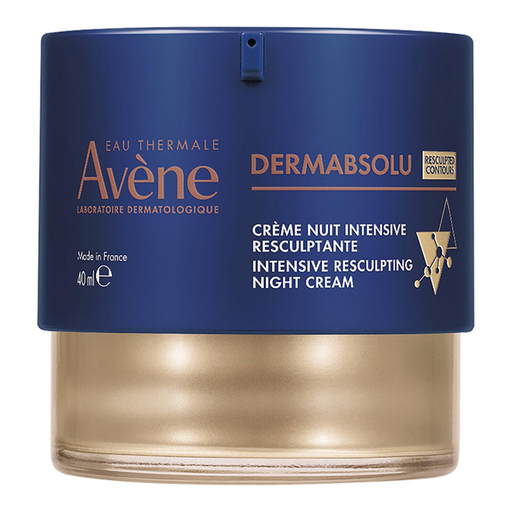
Why it suits this profile: Its rich texture and positioning for mature skin suit anyone primarily looking for comfort and intensive overnight care.
The product information states that it is for evening use and mentions bakuchiol, pro-ceramides and niacinamide. This makes its purpose and time of use easy to understand.
Rich 40 ml night cream containing 1% bakuchiol, 2.1% pro-ceramides and 2% niacinamide according to the product details.
We have put together a complete, up-to-date list of products that fully meet these strict selection criteria and the applicable European safety regulations.
Cleanse your face, use a serum if you wish and then apply your cream. During the day, use a day cream with SPF or a separate sun protection product. Ideally, introduce retinol gradually and do not immediately combine several powerful active ingredients.
This depends on the amount of product and how much you use each time. A 30 to 50 ml product will often last from several weeks to several months with daily use. Check the open-jar symbol and shelf-life information on the packaging. Store the cream somewhere cool and away from direct sunlight.
No, a serum is not essential. However, it can be useful when you want to add a specific ingredient or target, such as hydration, vitamin C or retinol. First choose a comfortable cream that you use consistently; only then add a serum if it suits your skin and routine.
