
Vandaag of morgen in huis

Kwaliteit gegarandeerd

Welkomstaanbiedingen ontgrendelen: GRATIS bezorging | Tot 80% korting | Gratis 30 dagen JoyPlus-proefperiode
Download de app
Buying an anti-ageing face cream seems straightforward, until you have to choose between retinol, acids, hyaluronic acid, niacinamide and countless claims about younger-looking skin. A high price or luxurious packaging says little about whether it is right for your skin.
The right choice depends mainly on your skin type, the results you want and how often you plan to use active ingredients. Read on to find out which common pitfalls can lead to a disappointing purchase and which product details to check first.
Retinol and exfoliating acids may be worth considering if you have fine lines, rough skin texture or a dull complexion. However, they are not automatically suitable for everyday use. A retinol cream usually needs to be introduced gradually. AHA, BHA and PHA products can also cause irritation for some people.
So start with a small amount and use it infrequently. Don’t combine several active products straight away. Also, always check the latest ingredients list and warnings on the packaging.
A hydrating face cream with glycerine or hyaluronic acid can make your skin feel more comfortable and temporarily make fine lines caused by dryness less noticeable. That is not the same as a proven change to deep wrinkles. Look out for the difference between a product description and a guaranteed result.
According to product information from various brands, ingredients such as niacinamide, vitamin C, retinol or acids may help create a more even-looking complexion. Treat this as a product feature or brand claim, not a guaranteed result for everyone.
A face moisturiser with SPF can help make your daily routine simpler. However, the level of protection depends on how much you apply and whether you reapply it during prolonged exposure to the sun. An SPF 30 cream does not automatically replace all sun protection in every situation.
If you use products containing AHA, BHA, PHA, vitamin C or retinol, it is wise to take extra care with sun protection. A cream for dark spots without daily SPF may therefore be less practical for your routine.
Don’t just look at the name on the front of the pack; check the ingredients list and any stated concentrations:
A higher percentage is not automatically a better choice. The overall formula, texture and your skin’s tolerance are just as important.
A rich cream can feel lovely on dry skin, but may feel heavy on oily or blemish-prone skin. If you’re choosing a face cream for blemish-prone skin, opt for a lightweight texture and check whether the product is labelled non-comedogenic. Tea tree, fragrance and essential oils can also cause sensitivity for some people.
For sensitive skin, fragrance-free formulas or a shorter ingredients list can be easier to assess. The product information provided describes Topicrem AH Theavit as fragrance-free and suitable for all skin types, including sensitive skin. Stop using it if you experience redness, itching or a burning sensation, and follow the safety information on the label.
A day cream and night cream for wrinkles do not always have the same purpose. A day cream may contain SPF or have a lighter texture. A night cream is often richer and may contain active ingredients such as retinol.
Also check the size: a 50 ml jar and a 20 ml tube are not directly comparable in terms of cost per use. Store the product as directed on the label and check the expiry date or period-after-opening information on the packaging.
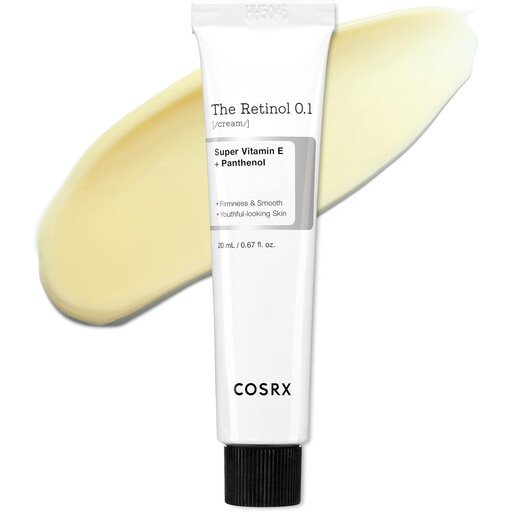
Why it suits this profile: The stated 0.1% retinol concentration and advice to build up slowly give beginners a clear starting point for an anti-ageing routine.
The instructions recommend starting with a maximum of three applications per week and increasing this based on your skin’s tolerance. This helps you avoid building up too quickly.
0.1% retinol; contains panthenol and vitamin E according to the product information; suitable for the face and neck.
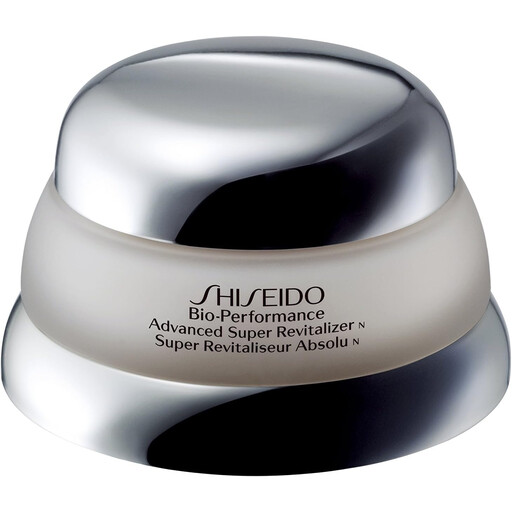
Why it suits this profile: For anyone who is looking for a luxury face cream and values the brand, packaging and a comprehensive skincare routine above all.
With this choice, take extra care to check the ingredients, size and how often to use it. Its luxury positioning alone is no guarantee of individual results.
Luxurious 50ml cream; designed to care for mature skin; product details can be checked directly on the product page.
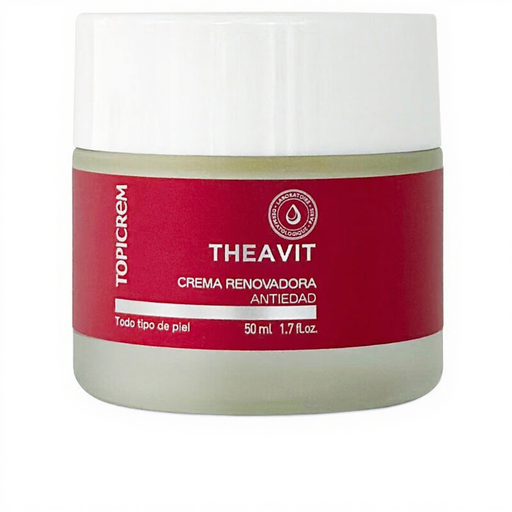
Why it suits this profile: Suitable for anyone looking for a glycolic acid cream and wanting to combine morning and evening skincare with a lightweight texture.
The product information clearly lists glycolic acid. This means you can make an informed decision about whether exfoliation suits your routine.
50 ml; fragrance-free according to the product details provided; a lightweight, fast-absorbing cream.
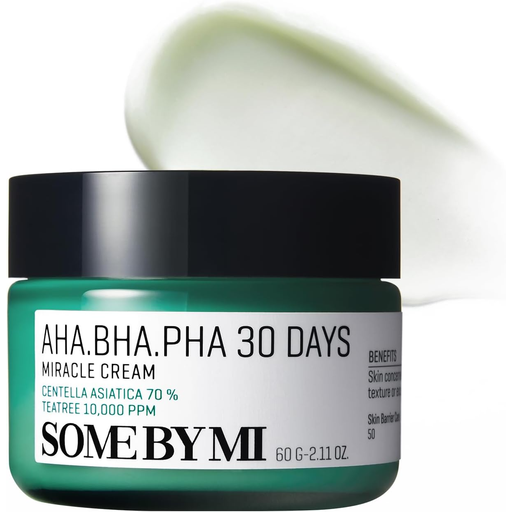
Why it suits this profile: For people with combination or blemish-prone skin who are considering a Korean skincare cream containing several exfoliating acids.
The product information lists AHA, BHA and PHA, recommends a patch test and advises extra sun protection. This makes the potential risks of use clear in advance.
60 ml; contains niacinamide, sodium hyaluronate and ceramide NP, among other ingredients, according to the ingredients list.
We’ve put together a complete, up-to-date list of products that meet these strict selection criteria and comply with current European safety regulations.
A product with a clearly stated, low retinol concentration, such as 0.1%, can be a good option to introduce gradually. Don’t use it every evening straight away, and avoid combining it with acids at first.
Shelf life varies from product to product. Check the expiry date, the period after opening and the information on the packaging. If the label advises it, store the cream somewhere cool and dry, away from direct sunlight.
Not always. A day cream may contain SPF or have a lighter texture, while a night cream may be richer or contain more active ingredients. Choose according to your routine, how your skin feels and the ingredients. Applying your cream consistently and following the instructions is more important than using two different creams.
